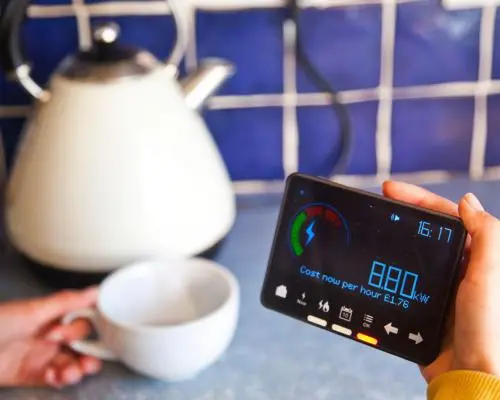
How Fixed‑Rate Deals Shield Consumers from Rising Costs
Millions of British households face their highest energy bills in three years after the government announced a rise in the price cap for October. The new cap will push costs higher, but many consumers can offset this by moving to a fixed‑rate deal, potentially saving up to £173 annually.
Breaking news
 Deadly Glacier and Rock Collapse in Nepal Linked to Climate Warming
 US Congress Passes Sweeping Sanctions Against Russia
 Speaker Johnson Ends House Session Early to Halt Impeachment Effort
 The High-Stakes Fight for Senate Majority Control
The government’s decision to lift the price cap will affect every household that relies on the national energy market. Fixed‑rate contracts lock in a single price for a set period, shielding customers from future increases. Analysts say that the savings are most significant for those who currently pay variable rates and have not yet switched.
Will Switching Be Worth the Extra Upfront Fees?
Fixed‑rate contracts guarantee a stable price for gas and electricity, regardless of market fluctuations. By locking in a rate now, households can avoid the steepest parts of the upcoming price hike. Energy advisers note that the average savings of £173 per year is calculated on typical household consumption and current market prices. The benefit is most pronounced for larger families or those with high energy usage.
Many energy suppliers charge an initial fee to switch to a fixed plan. However, experts argue that the long‑term savings outweigh these costs for most customers. The UK Energy Regulator reports that the average fee is around £30, which is recouped within a few months of the contract start. Additionally, fixed‑rate deals often come with added perks such as free smart meters or customer support.
The decision to switch also depends on the length of the contract. Shorter terms may offer more flexibility but lower savings, while longer terms lock in lower rates for a longer period. Consumers are advised to compare offers from multiple suppliers and check for any hidden charges before committing.
What Happens if the Market Moves Against Fixed‑Rate Contracts?
If energy prices fall after a household has locked in a fixed rate, the consumer will not benefit from the lower prices. However, the risk of a significant price rise—expected in the coming months—makes the stability of a fixed rate attractive. Energy watchdogs recommend that customers review their contracts annually to ensure they remain competitive.
The government’s announcement has prompted a surge in switching activity. Energy suppliers are now offering promotional rates to attract new customers, while some are extending their fixed‑rate contracts to maintain market share. This competition could drive further price reductions and better terms for consumers.
How long does a typical fixed‑rate contract last? Most contracts run between 12 and 24 months, though some suppliers offer longer terms up to 36 months.
Frequently Asked Questions
Can I switch back to a variable rate after signing a fixed deal? Yes, but you may face a re‑switch fee and will need to wait until the contract period ends or negotiate an early exit.
Will my bill still rise if the price cap increases? No. A fixed‑rate contract protects you from future price cap changes, keeping your bill stable for the contract duration.