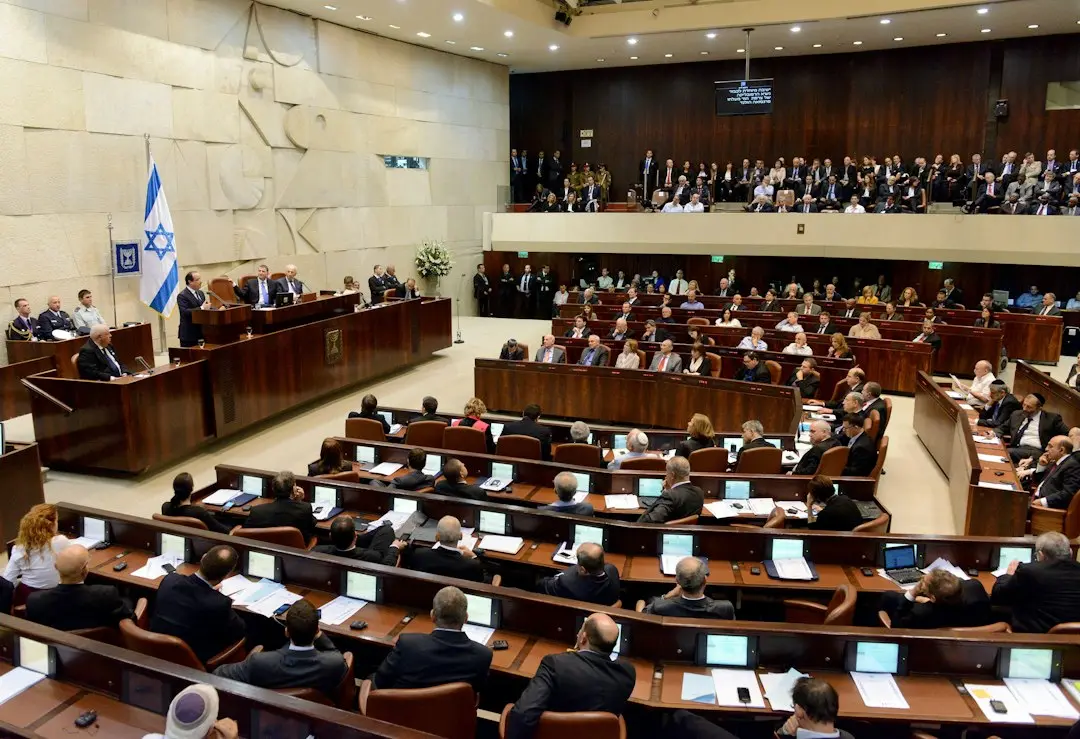
A Stalemate in Jerusalem
In the 120-seat Knesset election in Israel, exit polls showed a dead heat between the two main political blocs. Prime Minister Benjamin Netanyahu’s Likud-led coalition and the opposition bloc led by Gadi Eisenkot both projected at 51 seats. This stalemate has triggered sharp public exchanges between the two camps.
Breaking news
 Ronna McDaniel Weighs In on GOP's Path Forward
 Market Sentiment Shifts as S&P 500 Snaps Three-Day Losing Streak
 Voters Demand Stronger Congressional Oversight of Presidential Power
 Pelosi Looks Back, Sees Democratic Triumph Ahead
The opposition leaders insisted the result represented a defeat for the government, despite the narrow margin. They argued that failing to secure a majority meant the coalition had lost its mandate. Netanyahu’s camp countered that 51 seats was enough to form a government if smaller parties joined.
Channel 13 broadcast the updated exit poll figures, which showed the tie. The lack of a clear winner created immediate uncertainty about coalition-building. Smaller parties now hold the balance of power. Both major blocs are courting these smaller factions to reach the 61-seat majority threshold.
What Does the Tie Mean for Coalition Talks?
Political analysts note that this scenario is unusual in recent Israeli elections. The tight race reflects a deeply divided electorate. Voters appear split on key issues like security, economics, and the role of religion in state affairs.
With both blocs at 51 seats, neither can govern alone. Coalition negotiations will center on which smaller parties will join. The outcome will determine whether Netanyahu remains in power or Eisenkot takes over.
The final result will be confirmed by the Central Election Committee. Until then, both sides are making public statements to pressure smaller parties. The political landscape remains fluid, with every seat potentially decisive.
Frequently Asked Questions
Why is a 51-51 tie significant? It means neither bloc has a majority. Smaller parties become the deciding factor in forming the next government.
Who leads the opposition bloc? Gadi Eisenkot leads the opposition. He is challenging Netanyahu for the prime minister role.
What happens if no coalition forms? A new election may be called. Israel has a history of repeated elections when coalition talks fail.