Balancing Ideological Extremes in Federal Governance
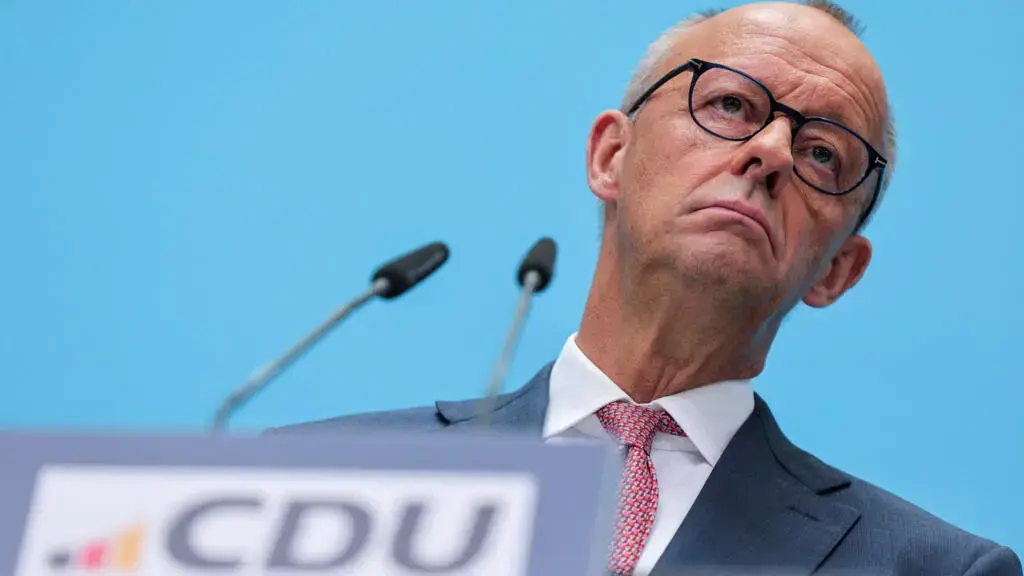
German Chancellor Friedrich Merz pledged on Monday to maintain the stability of his governing coalition. He aims to unite the center-right Christian Democratic Union and the center-left Social Democratic Party. This commitment follows recent state elections where extreme factions gained significant ground. Merz emphasized that preserving this alliance is essential for Germany’s democratic future. The move seeks to counter the rising influence of both the far right and the hard left.
Breaking news
 Ronna McDaniel Weighs In on GOP's Path Forward
 Market Sentiment Shifts as S&P 500 Snaps Three-Day Losing Streak
 Voters Demand Stronger Congressional Oversight of Presidential Power
 Pelosi Looks Back, Sees Democratic Triumph Ahead
The coalition faces mounting pressure as opposition parties capitalize on voter dissatisfaction. In the latest regional polls, the Alternative for Germany party recorded substantial increases in support. Simultaneously, the Left Party also expanded its base among disaffected voters. These results signal a shift in the political landscape. Merz argued that fragmentation would weaken Germany’s ability to govern effectively. He stressed the need for a stable center to anchor the nation’s policy direction.
Merz’s strategy relies on reinforcing the partnership between two historically distinct parties. The CDU and SPD have governed together since late 2021. Their cooperation has been tested by economic challenges and social debates. By holding the line, Merz hopes to prevent the far right from becoming the primary opposition force. The far-right AfD party has become the largest opposition group in the federal parliament. Its growth threatens to reshape national discourse around immigration and fiscal policy.
Can the Center Withstand Polarization?
The hard left also poses a challenge to the center-right agenda. Their rise indicates a growing demand for progressive economic reforms. Merz must navigate these competing pressures without alienating either coalition partner. Internal party dynamics remain tense. Some CDU members fear that working with the SPD dilutes their conservative identity. Conversely, SPD leaders worry about being overshadowed by the CDU’s dominance. Despite these internal frictions, both parties agree that unity offers the best defense against polarization.
The upcoming federal elections will test the durability of this coalition. If the far right continues its upward trajectory, the center may struggle to maintain a majority. Merz’s vow serves as a signal to voters that a moderate alternative exists. Analysts suggest that the success of this strategy depends on tangible policy achievements. Citizens expect concrete improvements in housing, healthcare, and infrastructure. Without visible progress, the coalition risks losing relevance.
The political stakes are high for Germany’s role in Europe. A fragmented German government could complicate EU decision-making processes. Stability in Berlin is viewed as crucial for continental cohesion. Merz’s leadership will be judged by how well he manages these external and internal pressures. The coming months will reveal whether the center can consolidate its position. Voters will decide if they prefer a united moderate bloc or a divided field of extremes.
Frequently Asked Questions
Why did Merz emphasize the coalition’s stability? Merz highlighted stability because both the far right and hard left gained significant electoral support. He believes a united center prevents these extreme factions from dominating the political agenda.
Which parties make up the current ruling coalition? The governing coalition consists of the center-right Christian Democratic Union and the center-left Social Democratic Party. These two groups have shared power since forming the current government.
How has the far-right party performed recently? The Alternative for Germany party has seen major gains in recent state elections. It has emerged as the strongest opposition force in the federal legislature.



