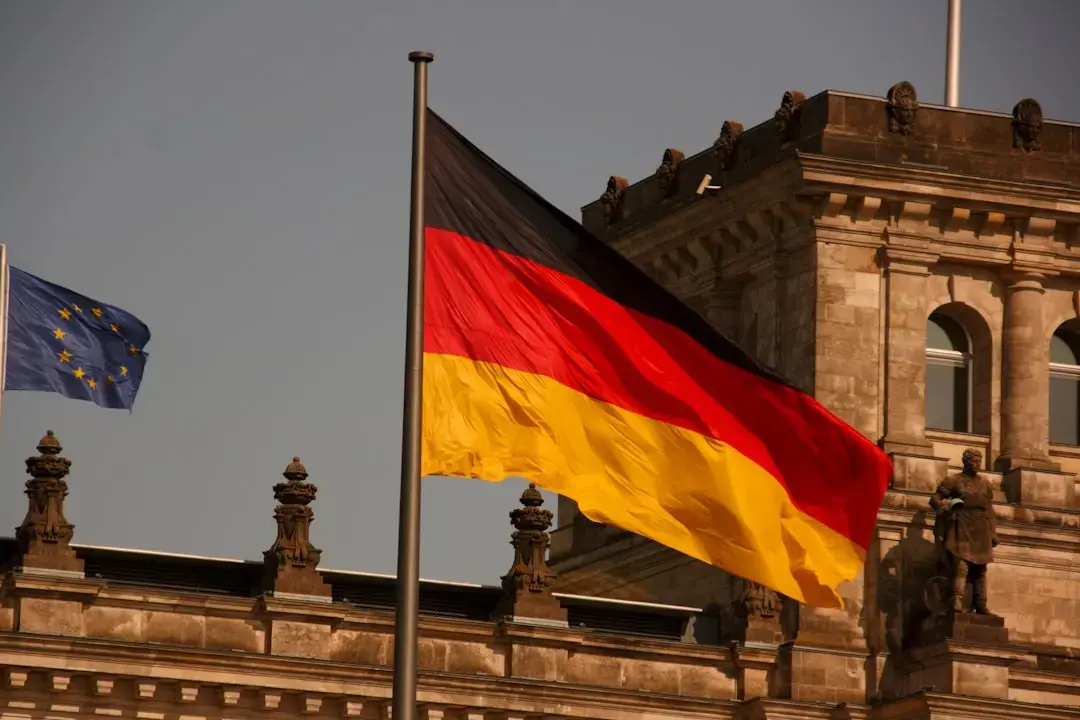
A Shockwave Across the German States
On September 6, 2026, the Alternative for Germany (AfD) recorded a historic breakthrough in Saxony‑Anhalt, doubling its vote share and becoming the state’s second‑largest party, a result that has alarmed mainstream politicians across Europe. The surge signals a potential shift in the continent’s political balance and raises concerns about extremist influence.
Breaking news
 Deadly Glacier and Rock Collapse in Nepal Linked to Climate Warming
 US Congress Passes Sweeping Sanctions Against Russia
 Speaker Johnson Ends House Session Early to Halt Impeachment Effort
 The High-Stakes Fight for Senate Majority Control
AfD supporters gathered in Magdeburg to celebrate the tally, waving flags and chanting slogans. The party captured roughly 30% of the vote, up from 15% in the previous election, while traditional centrist parties lost significant ground. Analysts attribute the rise to voter disillusionment with migration policies, economic anxieties, and the perception that mainstream parties ignore ordinary citizens' concerns. The outcome echoes similar gains by right‑wing forces in Italy, France and the Netherlands, prompting EU leaders to reassess their policy frameworks.
In Magdeburg, AfD members erupted in cheers after the regional election results were announced. The party secured about 30% of the vote, effectively doubling its previous share and positioning itself as the state’s second‑largest political force. This breakthrough marks the first time AfD has topped a regional legislature outside its traditional eastern strongholds, signaling a broader national momentum.
Can Europe Resist the Rising Tide?
The result raises urgent questions for European leaders. While Germany’s mainstream coalition faces internal strain, similar right‑wing gains in Italy, France and the Netherlands suggest a continent‑wide shift. Analysts warn that the surge could embolden extremist parties, pressure centrist alliances, and force a re‑evaluation of immigration and security policies across the EU.
German policymakers now confront a dilemma: accommodate the AfD’s demands or risk alienating moderate voters. The party’s parliamentary clout could reshape legislation on migration, law enforcement and fiscal discipline, while its presence in state parliaments may pave the way for coalition governments that include far‑right representatives. Observers predict the episode will accelerate debates on EU cohesion and could trigger a wave of similar electoral upsets in upcoming national votes.
Frequently Asked Questions
What triggered AfD’s surge in Saxony‑Anhalt? Voter frustration over immigration policies, economic uncertainty and perceived neglect by traditional parties drove the shift, as reflected in the dramatic vote increase.
How might this result affect Germany’s federal government? It weakens the current coalition’s majority, forcing negotiations that could include AfD participation or lead to a snap election, thereby destabilising policy continuity.
What are the broader implications for the European Union? The outcome signals a rising tide of right‑wing populism, prompting EU institutions to reassess cohesion strategies and may inspire similar movements in other member states.