Court cites command responsibility in protest deaths
A court in Madagascar has sentenced Richard Ravalomanana, the former president of the Senate, to ten years of hard labour for his role in a violent crackdown on youth-led protests last year that left dozens dead.
Breaking news
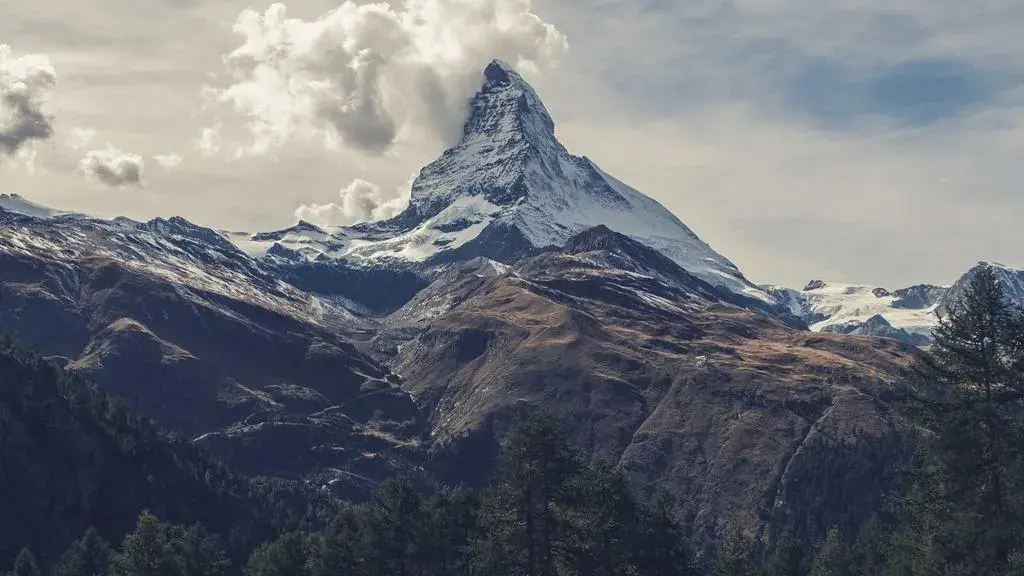 Deadly Glacier and Rock Collapse in Nepal Linked to Climate Warming
 US Congress Passes Sweeping Sanctions Against Russia
 Speaker Johnson Ends House Session Early to Halt Impeachment Effort
 The High-Stakes Fight for Senate Majority Control
The protests, which began in mid-2023, were driven by young people demanding better economic opportunities and an end to widespread corruption. Security forces opened fire on demonstrators in several cities, triggering international condemnation. At least 22 people were killed and more than 100 injured during the unrest.
Ravalomanana, who served as Senate president until October 2023, was found guilty of crimes against humanity and abuse of power. Prosecutors argued that he used his authority to mobilize state forces against civilians, despite repeated warnings from human rights groups. The court ruled that his actions directly contributed to the loss of life during the demonstrations.
Witnesses testified that Ravalomanana coordinated with military officials to suppress the protests, which had gained momentum across the capital, Antananarivo, and other urban centres. His removal from office last year followed mounting pressure from both domestic opponents and foreign governments.
What legal repercussions follow this landmark ruling?
The conviction marks one of the highest-profile prosecutions in Madagascar’s recent history involving state violence against civilians. Legal experts say the case sets a precedent for holding political leaders accountable for ordering or enabling lethal force against peaceful protesters.
Ravalomanana’s legal team has announced plans to appeal the decision, arguing that he was acting within his constitutional duties at the time. Meanwhile, families of the victims have expressed cautious optimism, though many continue to demand broader reforms within the security forces.
The unrest last year highlighted deep-seated frustrations among Madagascar’s youth, who make up the majority of the population but face high unemployment and limited access to public services. The government has since pledged to implement some of the protesters’ demands, including anti-corruption measures and job creation programmes.
Frequently Asked Questions
However, critics argue that meaningful change remains slow, and questions persist over whether other officials involved in the crackdown will face similar consequences. The ruling may also influence upcoming elections, as voters weigh the government’s handling of civil unrest and accountability issues.
How many people died during the protests? At least 22 people were killed and over 100 injured when security forces clashed with protesters in 2023.
What charges did Ravalomanana face? He was convicted of crimes against humanity and abuse of power for his role in directing the violent suppression of demonstrations.
Will the conviction be appealed? Yes, Ravalomanana’s lawyers plan to challenge the verdict, claiming he acted within his official capacity at the time.