Why Are Young Indians Taking to the Streets Over Election Leadership?
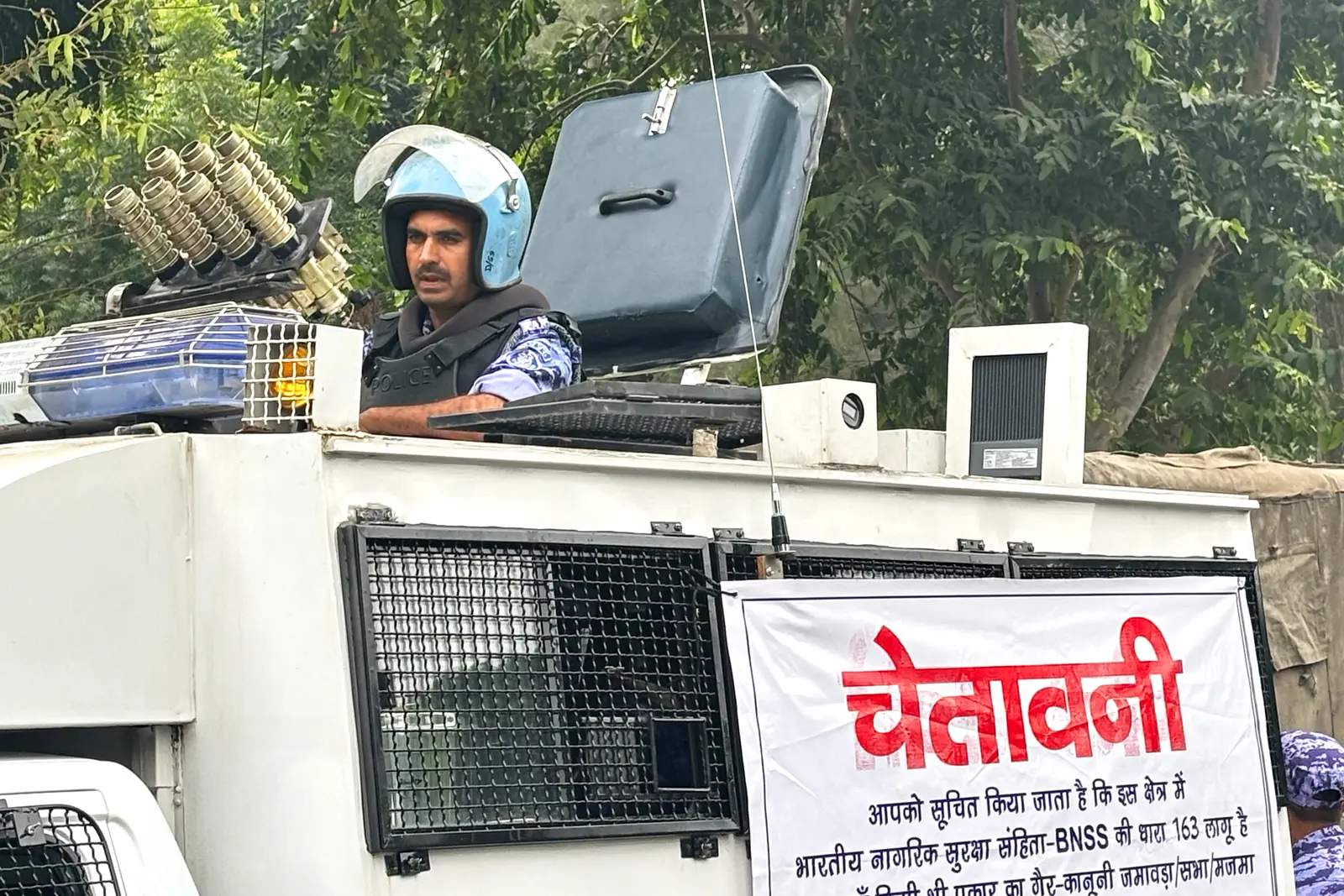
Indian authorities launched a major security crackdown in New Delhi on Saturday, arresting hundreds of young protesters demanding the resignation of election chief Gyanesh Kumar. The demonstrations, which began peacefully near a government complex, turned tense as police deployed armored vehicles and used force to disperse crowds. Witnesses reported tear gas and baton charges as officers moved to clear the area, citing concerns over public order and unlawful assembly. The protests reflect growing frustration among youth over perceived electoral irregularities and the government’s handling of recent elections, with many accusing the ruling Bharatiya Janata Party of undermining democratic institutions. Security officials said the arrests were made to prevent violence and maintain stability, though critics argue the response was disproportionate and aimed at silencing dissent. The crackdown comes amid heightened political tensions ahead of upcoming state elections, where opposition parties have intensified their calls for electoral reform and accountability.
Breaking news
 Ronna McDaniel Weighs In on GOP's Path Forward
 Market Sentiment Shifts as S&P 500 Snaps Three-Day Losing Streak
 Voters Demand Stronger Congressional Oversight of Presidential Power
 Pelosi Looks Back, Sees Democratic Triumph Ahead
Protesters say they are angry not just at Gyanesh Kumar but at what they see as a broader pattern of electoral manipulation favoring the Modi government. Many cite delays in vote counting, allegations of voter list irregularities, and the perceived lack of independence in the Election Commission as key grievances. Student groups and civil society organizations have been organizing online for weeks, using social media to coordinate demonstrations across multiple cities. One protester, a 22-year-old university student, told reporters, „We’re not asking for much — just free and fair elections. When the system feels rigged, we have no choice but to speak out.” Police have denied using excessive force, stating that only those who violated prohibitory orders were detained. However, human rights groups have documented cases of arbitrary arrests and mistreatment, raising concerns about the erosion of civic freedoms.
What Does This Mean for India’s Democratic Future?
The government maintains that the Election Commission operates independently and that all legal procedures were followed during the recent polls.
The crackdown has drawn sharp criticism from opposition leaders, who accuse the Modi administration of using state power to suppress legitimate dissent. Several opposition parties have called for an independent inquiry into the police actions and renewed demands for electoral reform. International observers have also expressed concern, noting that the response risks undermining India’s reputation as a vibrant democracy. Analysts warn that if youth anger continues to grow unchecked, it could fuel broader social unrest, particularly ahead of national elections scheduled for 2029. For now, the situation remains volatile, with authorities maintaining a heavy presence in Delhi and warning against further gatherings. The Election Commission has not commented publicly on the protests or the calls for Kumar’s resignation, leaving many to question its willingness to engage with public criticism. The coming weeks will test whether the government chooses dialogue or continues to rely on force to manage rising discontent.
Why are protesters targeting the election chief specifically? Protesters believe Gyanesh Kumar has failed to ensure impartiality in electoral processes, pointing to perceived biases in vote counting and voter list management that they argue favor the ruling party.
Frequently Asked Questions
Is the crackdown limited to Delhi, or are protests happening elsewhere? While the largest arrests occurred in New Delhi, smaller demonstrations have been reported in cities like Mumbai, Bengaluru, and Kolkata, though police responses there have been less severe so far.
What are the legal grounds for the arrests made by police? Authorities state that protesters violated prohibitory orders under Section 144 of the Criminal Procedure Code, which bans assembly of five or more people in designated areas to prevent unrest.