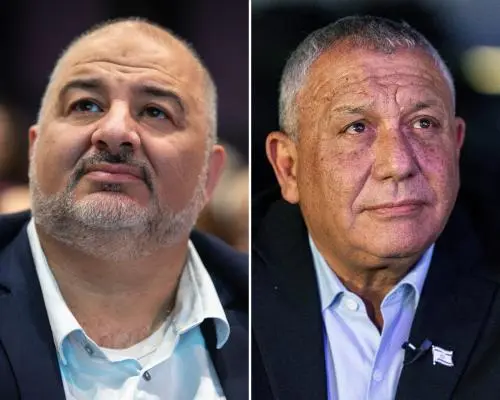
The Strategic Shift in Parliamentary Alliances
Recent election trends in Israel reveal a significant surge in support for Palestinian political factions. This shift presents a critical dilemma for opposition leader Gadi Eisenkot and his bloc. They must now decide whether to integrate Arab-Israeli leadership into their coalition or risk allowing Benjamin Netanyahu to retain his political authority.
Breaking news
 Ronna McDaniel Weighs In on GOP's Path Forward
 Market Sentiment Shifts as S&P 500 Snaps Three-Day Losing Streak
 Voters Demand Stronger Congressional Oversight of Presidential Power
 Pelosi Looks Back, Sees Democratic Triumph Ahead
The exit polls released this Tuesday have forced a reevaluation of traditional governing strategies. For years, mainstream Israeli parties have largely sidelined Arab-led factions. However, the current electoral math suggests that excluding these groups is no longer a viable path to forming a stable, functioning government.
The rise of Palestinian parties reflects a changing demographic and ideological landscape within the Knesset. By securing more seats, these factions have transformed from peripheral players into essential power brokers. Eisenkot faces immense pressure to bridge long-standing ideological divides to prevent a right-wing resurgence.
Can Traditional Opposition Blocks Adapt to New Realities?
Political analysts argue that ignoring this shift could lead to a permanent fracturing of the opposition. Cooperation would require significant concessions on policy issues affecting Arab-Israeli communities. Whether the opposition is prepared to offer these terms remains a central point of contention within their internal debates.
The path forward is fraught with internal political friction. Many members of the mainstream opposition are hesitant to formalize ties with Arab parties due to deep-seated historical grievances. Yet, the alternative is a landscape where Netanyahu continues to exploit these divisions to secure his own political survival.
If Eisenkot fails to build a broad-based coalition, the opposition risks losing its relevance entirely. The coming weeks will determine if they can move past traditional rhetoric to embrace a more inclusive governing model. The survival of the current opposition bloc depends on their ability to adapt to these shifting electoral tides.
Frequently Asked Questions
What is the primary challenge facing Gadi Eisenkot? He must choose between forming a coalition with Arab-Israeli parties or allowing Benjamin Netanyahu to maintain his grip on power.
Why are Palestinian parties gaining more influence? Increased electoral support has granted these factions a larger share of seats in the Knesset, making them necessary partners for any viable governing coalition.
What happens if the opposition refuses to cooperate? A failure to build an inclusive alliance likely guarantees that Benjamin Netanyahu will remain in control of the government.



