The move appears designed to rally domestic support and reframe Iran’s
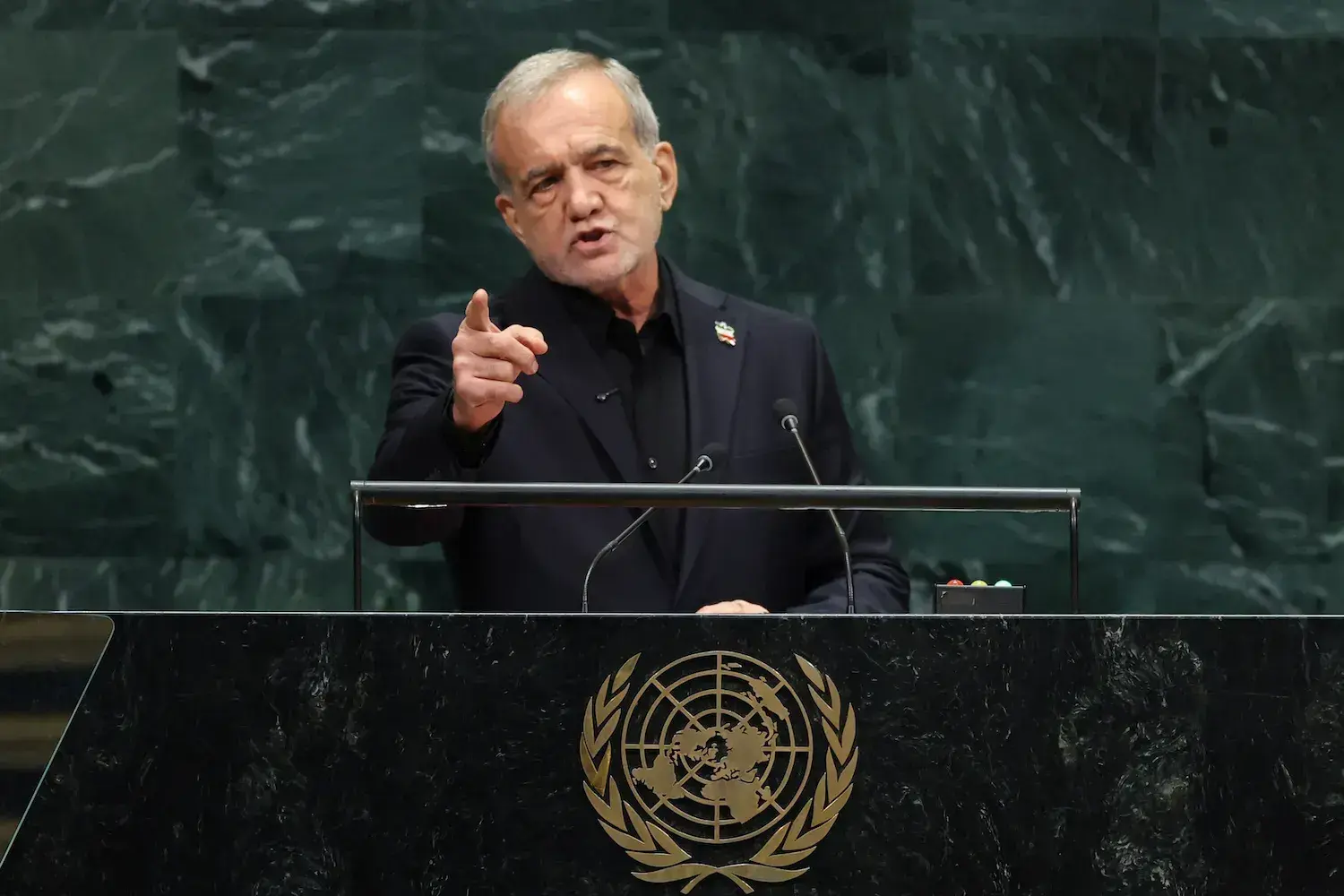
Iranian President Masoud Pezeshkian has formally designated the United States government as a terrorist organization, marking a significant escalation in rhetoric between Tehran and Washington. The declaration was made during a televised address from the capital, where Pezeshkian cited decades of US sanctions, military interventions, and support for regional adversaries as justification for the label. The statement comes amid heightened tensions over Iran’s nuclear program and recent maritime incidents in the Strait of Hormuz. What Prompted This Unprecedented Designation? Pezeshkian argued that the US government’s actions—including the assassination of General Qasem Soleimani, the withdrawal from the JCPOA, and the imposition of crippling economic sanctions—constitute systematic terror against the Iranian people. He emphasized that state-sponsored violence, when carried out by a government, should be treated no differently than non-state actor terrorism under international law.
Breaking news
 Ronna McDaniel Weighs In on GOP's Path Forward
 Market Sentiment Shifts as S&P 500 Snaps Three-Day Losing Streak
 Voters Demand Stronger Congressional Oversight of Presidential Power
 Pelosi Looks Back, Sees Democratic Triumph Ahead
The move appears designed to rally domestic support and reframe Iran’s narrative on the global stage, portraying the US as the primary aggressor in regional conflicts. How Might the International Community Respond? While the designation holds no legal weight in international tribunals, it signals Iran’s intent to challenge Western diplomatic norms and seek solidarity from non-aligned nations. Analysts suggest the move could complicate backchannel talks aimed at de-escalation, as Washington is unlikely to engage with a government that labels it terrorist. European allies have expressed concern over the rhetoric’s potential to destabilize ongoing negotiations, though none have endorsed Iran’s framing. The UN has not commented directly, but officials warn such labels risk undermining multilateral conflict resolution frameworks. Frequently Asked Questions Is this designation legally binding under international law? No, the label carries no legal authority in international courts or treaties.
It is a political statement intended to shape perception and justify Iran’s defensive posture. Could this lead to formal sanctions against Iran? Unlikely, as the US and its allies typically respond to such rhetoric with diplomatic pushback rather than new punitive measures, though it may harden negotiating positions. Does this affect Iran’s standing at the United Nations? Iran retains its UN membership and voting rights, but the statement may strain diplomatic relations and reduce willingness among member states to engage on sensitive issues like nuclear enrichment.