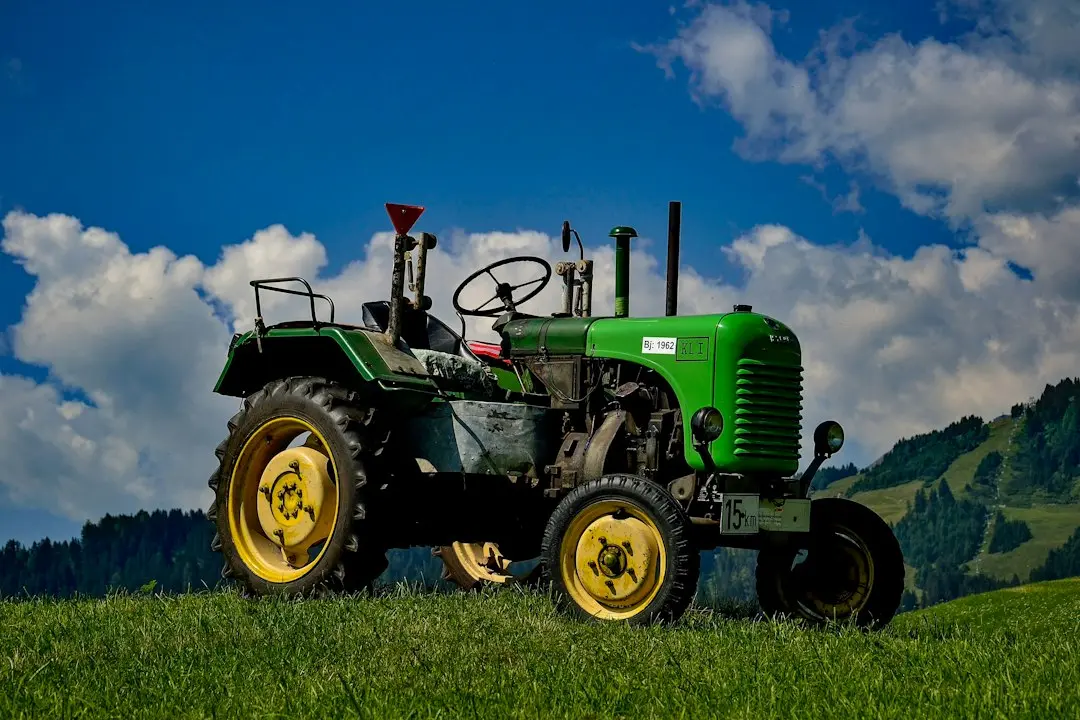
Tractors on the Streets: A Bold Statement
Hundreds of French farmers converged on the National Assembly on 8 January, driving tractors into the city before dawn. The protest aimed to oppose the EU‑Mercosur trade agreement and to demand stronger safeguards for domestic agriculture. Despite police orders to stay away, about 100 tractors rolled through Paris, with some reaching the Arc de Triomphe and the Eiffel Tower before crowds assembled outside the parliament.
Breaking news
 Montenegro, Albania Seek NATO Help to Counter Russian Disinformation
 Ronna McDaniel Weighs In on GOP's Path Forward
 Market Sentiment Shifts as S&P 500 Snaps Three-Day Losing Streak
 Voters Demand Stronger Congressional Oversight of Presidential Power
The demonstration reflected growing unease among French growers about the potential influx of cheaper beef, poultry and soy from Mercosur countries. Farmers argued that the deal could undercut local producers and erode the protections that have long supported France’s rural economy. They called for tighter controls on imports and for the EU to reconsider the agreement’s terms.
The sight of tractors on Parisian boulevards was unprecedented. Organizers said the vehicles symbolised the backbone of French agriculture and the need to protect it. The tractors were escorted by volunteers, and the march was largely peaceful. Police had issued a ban on motorised vehicles in the city centre, but the farmers defied the order, citing the urgency of their cause. The protest drew media attention and sparked debate among policymakers about the balance between free trade and domestic industry protection.
Will the EU Pause the Mercosur Deal?
The protest raises questions about the future of the EU‑Mercosur negotiations. French officials have expressed concern over the potential impact on local farmers, but the European Commission remains committed to the trade pact. Analysts suggest that the farmers’ demonstration could prompt a review of the agreement’s provisions on agricultural goods. However, the EU has indicated that any adjustments would need to be negotiated with Mercosur partners, and that the overall framework of the deal is unlikely to change dramatically.
The farmers’ message is clear: they want the EU to safeguard their livelihoods without compromising the benefits of broader trade. Whether this will lead to policy shifts remains to be seen, but the protest has certainly amplified the voices of those who feel threatened by the deal.
Frequently Asked Questions
What is the EU‑Mercosur trade deal? It is a free‑trade agreement between the European Union and the Mercosur bloc, which includes Brazil, Argentina, Paraguay, and Uruguay. The pact aims to reduce tariffs on goods such as beef, poultry, and soy.
Why are French farmers opposed to the deal? They fear that cheaper imports will flood the market, lowering prices for French products and undermining local producers who rely on protective tariffs and subsidies.
What are the next steps for the EU after the protest? EU officials may review the agricultural provisions of the agreement and engage in further negotiations with Mercosur partners to address farmers’ concerns, while maintaining the overall trade framework.


