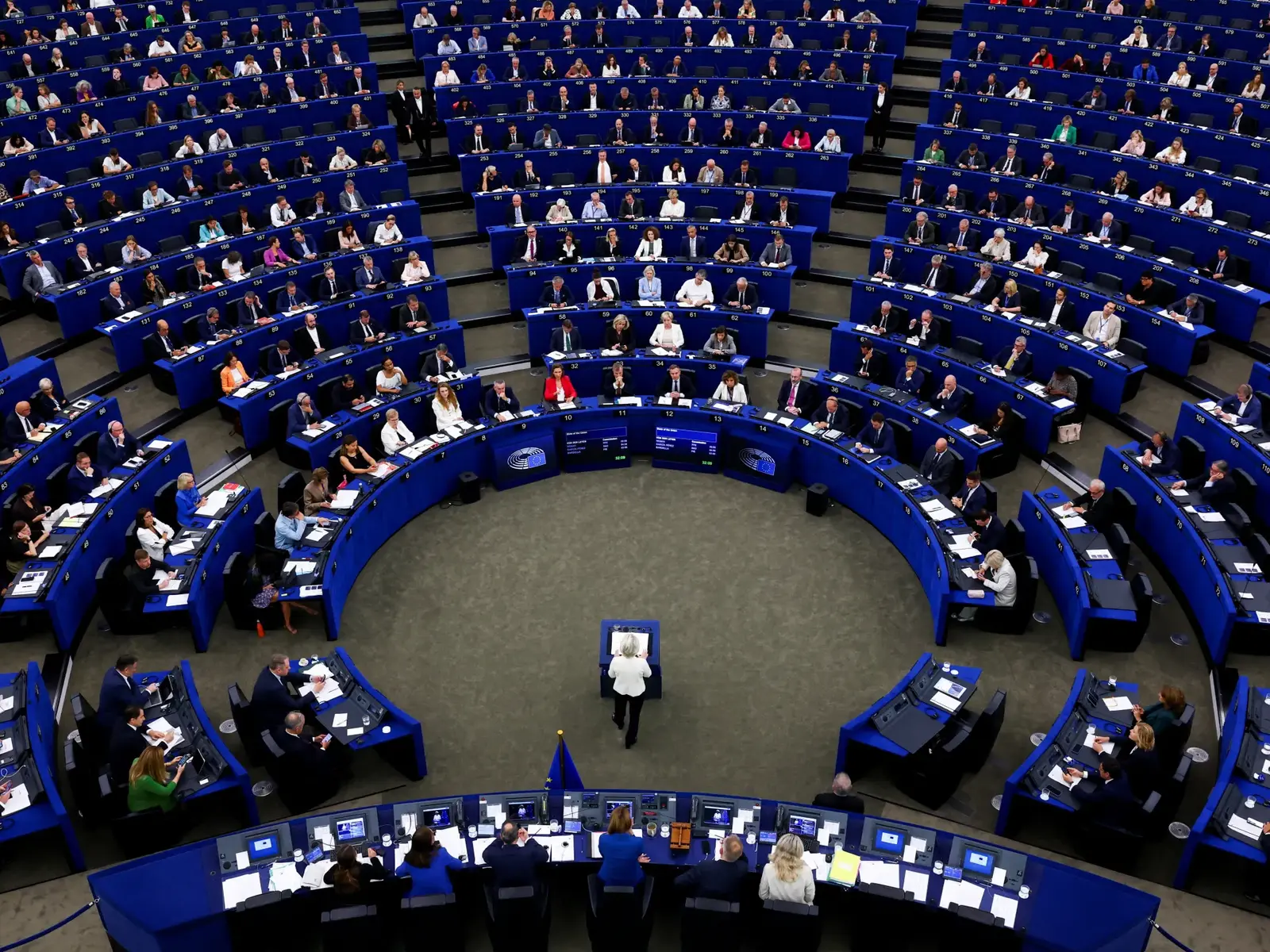
From Fringe to Mainstream: How the Narrative Shifted
A recent European Parliament resolution reveals the European mainstream fully embracing Islamophobia. As protests in France turned violent late last week, the French far right quickly resorted to racist language to blame Muslim youth for the violence. Weeks earlier, when thousands of migrants tried to enter the Spanish enclave of Ceuta from neighbouring Morocco, the Spanish far right spoke of an organised invasionby Moroccans.
Breaking news
 Montenegro, Albania Seek NATO Help to Counter Russian Disinformation
 Ronna McDaniel Weighs In on GOP's Path Forward
 Market Sentiment Shifts as S&P 500 Snaps Three-Day Losing Streak
 Voters Demand Stronger Congressional Oversight of Presidential Power
The pattern is clear. Political leaders across the continent are framing Muslim communities as the source of social unrest. This narrative has moved from fringe parties to mainstream institutions. The European Parliament resolution marks a significant shift in official European policy language.
The resolution signals that anti-Muslim rhetoric has crossed into formal legislative action. Previously, such language was confined to far-right parties. Now, mainstream politicians echo the same themes. This shift reflects growing public anxiety over immigration and cultural identity.
Is This a Crisis or a Pattern?
In France, the violence during protests provided a convenient trigger. Media coverage amplified images of young protesters, many of whom were Muslim. Politicians seized on these visuals to reinforce the narrative. In Spain, the Ceuta incident saw similar framing, with officials describing the migrant surge as a coordinated attack.
The evidence points to a pattern rather than a one-off crisis. Multiple European governments are adopting similar rhetoric. The timing of these events suggests a coordinated political strategy. Public opinion polls show rising support for stricter immigration controls.
Looking ahead, this trend could reshape European politics for years. If the narrative gains further traction, we may see more restrictive policies. The European Parliament resolution sets a precedent that other institutions may follow.
Frequently Asked Questions
What did the European Parliament resolution actually say? The resolution used language that framed Muslim communities as a source of instability. It called for stronger measures to address what it described as a cultural and security challenge.
Why are France and Spain using this narrative now? Both countries faced visible public unrest involving Muslim populations. Political leaders capitalized on the moment to push their agendas. The timing suggests a deliberate political play.
Will this lead to new EU-wide policies? Likely. The resolution creates pressure on member states to align their domestic policies. We can expect more coordinated action on immigration and integration.


