
Strategic Unity Among Fragmented Factions
On the eve of International Peace Day, a prominent Ethiopian rebel leader officially announced the creation of a new coalition. This alliance brings together seven distinct armed groups operating within the country. The formation marks a significant shift in the ongoing conflict dynamics. These factions have agreed to coordinate their military efforts against the federal government. The move signals a unified opposition strategy.
Breaking news
 Inside the High-Stakes Diplomacy to Free October 7 Hostages
 Tragedy of Haitian Student Highlights Human Cost of Immigration Policy
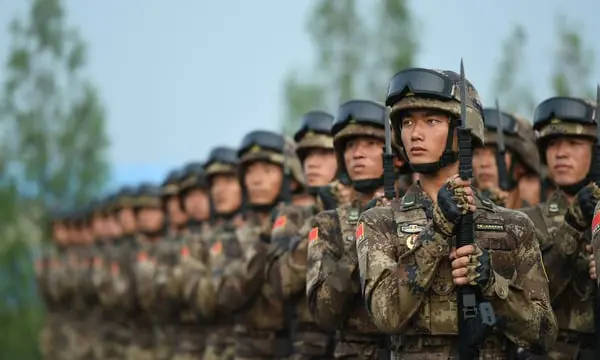 China Updates National Defense Mobilization Law to Broaden Wartime Powers
 Legal Battle Escalates Over Federal Oversight of Broadcast Networks
The coalition aims to consolidate power among previously separate rebel forces. By joining together, these groups seek to present a stronger front to Addis Ababa. The timing of the announcement is symbolic, occurring just before the global observance of peace. Leaders hope the unity will pressure the central government for negotiations. The alliance represents a critical development in Ethiopia’s complex civil war landscape.
The seven groups involved in this pact have fought independently for years. Their decision to merge operations reflects a shared frustration with the status quo. Military commanders from each faction participated in the agreement process. They established joint command structures to streamline communication. This coordination allows for better resource allocation during battles. The alliance reduces the risk of internal conflicts between rival rebels. It creates a more formidable force that the government must address. Analysts note that such unions often lead to intensified fighting. The rebels believe collective strength will improve their bargaining position.
Can Coalition Strength Alter the War's Trajectory?
The federal government has responded cautiously to the news of the alliance. Officials acknowledge the growing threat posed by the united front. Defense ministers are reviewing troop deployments along key borders. The coalition plans to launch coordinated offensives in strategic regions. They target areas where government control is weakest. This aggressive posture aims to seize territory quickly. The government fears that a fragmented response will fail against a unified enemy. Diplomatic channels remain open but tense. Both sides are preparing for a prolonged period of heightened conflict.
The formation of this anti-government alliance changes the battlefield calculus. The government now faces a single, organized adversary rather than multiple loose groups. This could accelerate the pace of military engagements across the region. Civilians in border zones may face increased displacement risks. The international community is watching closely for signs of escalation. A successful coalition could force early peace talks. Conversely, a failed union might splinter the opposition again. The coming months will test the durability of this fragile truce among rebels.
Frequently Asked Questions
How many armed groups joined the new alliance? Seven distinct Ethiopian rebel factions formed the coalition. They agreed to coordinate military actions against the federal government. This group operates under a unified command structure.
When was the alliance officially announced? The declaration took place on the eve of International Peace Day. Rebel leaders chose this date to emphasize their desire for a negotiated end to the conflict. The announcement marked a major strategic shift.
Why did these groups decide to unite? Individual factions struggled to achieve significant gains alone. By pooling resources and troops, they aim to increase pressure on the government. The alliance seeks to create a stronger negotiating position for peace talks.