Humanitarian access remains severely restricted
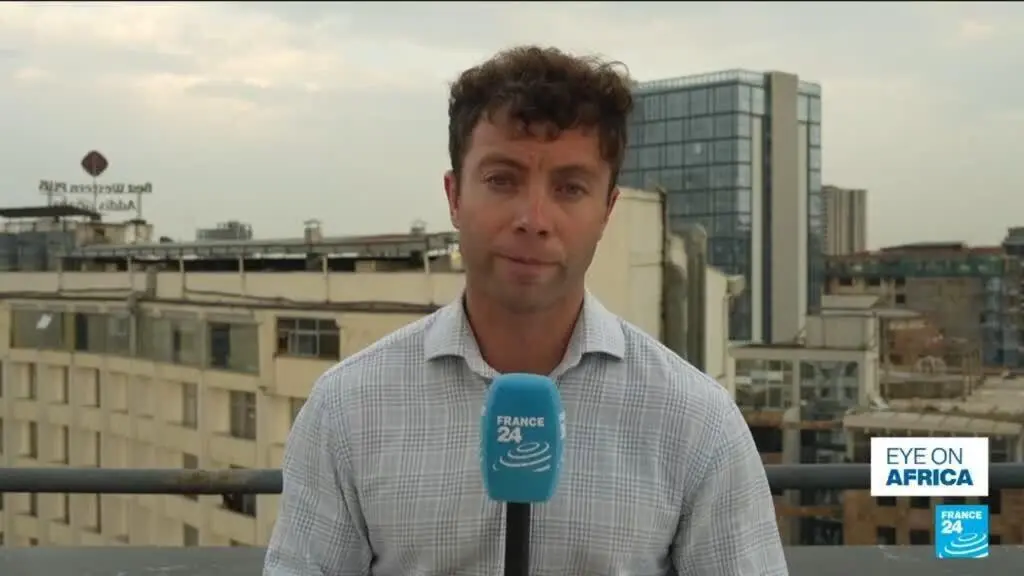
Intense combat has intensified across several regions of Ethiopia, with reports indicating renewed and widespread fighting between Ethiopian National Defense Forces and various rebel factions, including the Tigray People's Liberation Front. The escalation follows declarations from the TPLF that the conflict has entered a full-blownwar phase, marking a significant deterioration in the security situation after months of relative calm. Fighting is now reported in Tigray, Amhara, and parts of the Afar region, raising concerns about a broader regional destabilization. The renewed hostilities appear to stem from failed negotiations and competing territorial claims, particularly over disputed areas in western Tigray and along the borders of Amhara and Tigray. Both sides accuse each other of initiating attacks, with government officials labeling rebel actions as terrorist incursions, while the TPLF insists it is defending its people against ethnic cleansing and military occupation.
Breaking news
 Finland orders halt to work on Google data centre sites
 Europe Prepares for a New Wave of Hybrid Threats
 Spain Faces Early Election Amid Housing Crisis and Political Shifts
 A 200‑Year‑Old Cottonwood Tree Is Cut for a New Border Wall
Humanitarian access remains severely restricted, and displacement is increasing as civilians flee artillery exchanges and aerial bombardments. How did the conflict reignite after months of stalemate? Analysts point to the collapse of the Pretoria Agreement’s implementation as a key trigger, with delays in disarmament, humanitarian aid delivery, and administrative restructuring fueling mistrust. The TPLF claims federal forces have reoccupied territories previously withdrawn from, violating the ceasefire terms. Meanwhile, Addis Ababa asserts that TPLF regrouping and rearmament in the north necessitated a preemptive security response. Independent monitors have noted increased troop movements and logistical activity on both sides in recent weeks, suggesting preparations for renewed combat were underway before open fighting resumed. What are civilians saying about the renewed violence? Displaced residents in Sheraro and Mai Kadra described waking to artillery fire and drone strikes, with many fleeing on foot carrying only essentials.
We thought peace was coming, said a mother of three in a temporary shelter near
We thought peace was coming, said a mother of three in a temporary shelter near Shire. Now we are running again. Local health facilities report being overwhelmed with war wounded, and shortages of medicine and fuel are worsening the crisis. Aid workers warn that the rainy season is complicating relief efforts, as roads become impassable and disease risks rise. Frequently Asked Questions Who are the main parties involved in the current fighting? The primary combatants are the Ethiopian National Defense Forces allied with regional militias from Amhara and Afar, and the Tigray People's Liberation Front, which governs the Tigray region and claims to defend its population against federal aggression. Is there any international mediation efforts underway?
As of now, no active peace talks are confirmed, though envoys from the African Union and United States have expressed concern and urged both sides to de-escalate and return to dialogue, citing fears of a wider humanitarian catastrophe. What is the humanitarian impact of the renewed conflict? Thousands have been newly displaced, with limited access to food, water, and medical care; aid agencies report rising malnutrition and disease risks, particularly among children and pregnant women, as insecurity hampers relief operations.