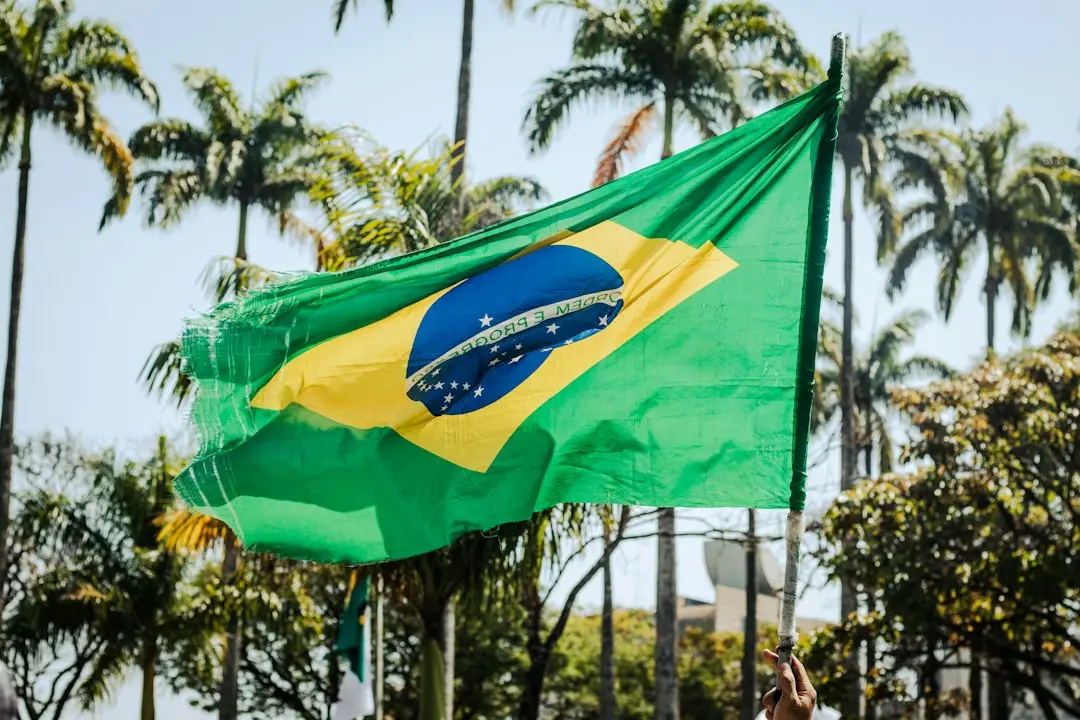
How Trade Dependencies Shape Brazil's Foreign Policy
Brazil's upcoming presidential election may alter its strategic relationships with both the United States and China, as the country remains a top global exporter of oil, soybeans, and critical minerals. Voters will decide on October 4, 2026, in a contest that could redefine Brazil's foreign policy direction and economic partnerships. The outcome holds significance for global supply chains, given Brazil's pivotal role in energy and agriculture markets.
Breaking news
 South Korea Weighs Strong Response After DMZ Landmine Blast
 Quebec Separatists Promise Referendum After Election Victory
 Pacific Leaders Demand Firm Commitment to Fossil Fuel Exit
 Green Party Faces Crisis After Controversial Vote
Brazil's economy relies heavily on exports to both Washington and Beijing, creating a delicate balancing act for any incoming administration. The United States remains a key partner for security cooperation and technology exchange, while China is Brazil's largest trading partner, absorbing nearly a third of its total exports. Soybean shipments to China alone accounted for over $30 billion in 2025, underscoring the depth of economic interdependence. Any shift in leadership could prompt reevaluation of trade terms, investment incentives, or diplomatic alignment, particularly if candidates advocate for greater strategic autonomy or ideological alignment with one power over the other.
What Would a Shift in Alliances Mean for Global Markets?
A realignment toward either superpower could disrupt established trade flows, affecting commodity prices and supply availability worldwide. If Brazil strengthens ties with China, it might prioritize yuan-denominated transactions or deepen participation in Belt and Road Initiative-linked infrastructure projects. Conversely, closer alignment with the U. S. could lead to renewed cooperation on semiconductor supply chains or green energy technology transfer. Analysts warn that abrupt changes risk triggering retaliatory measures or market uncertainty, especially in sectors like iron ore and petroleum where Brazil holds significant influence. The election thus serves as a bellwether for how emerging economies navigate great power competition without sacrificing economic stability.
Frequently Asked Questions
How might Brazil's election affect U. S.-China relations? Brazil's choice could indirectly influence the broader U. S.-China dynamic by determining whether a major non-aligned nation leans toward one bloc, potentially affecting diplomatic coordination on climate, trade, or security issues.
Could Brazil reduce its reliance on either superpower after the election? Some candidates have proposed diversifying trade partners and boosting domestic value-added industries to lessen dependency, though structural shifts would take years to materialize given existing infrastructure and demand patterns.