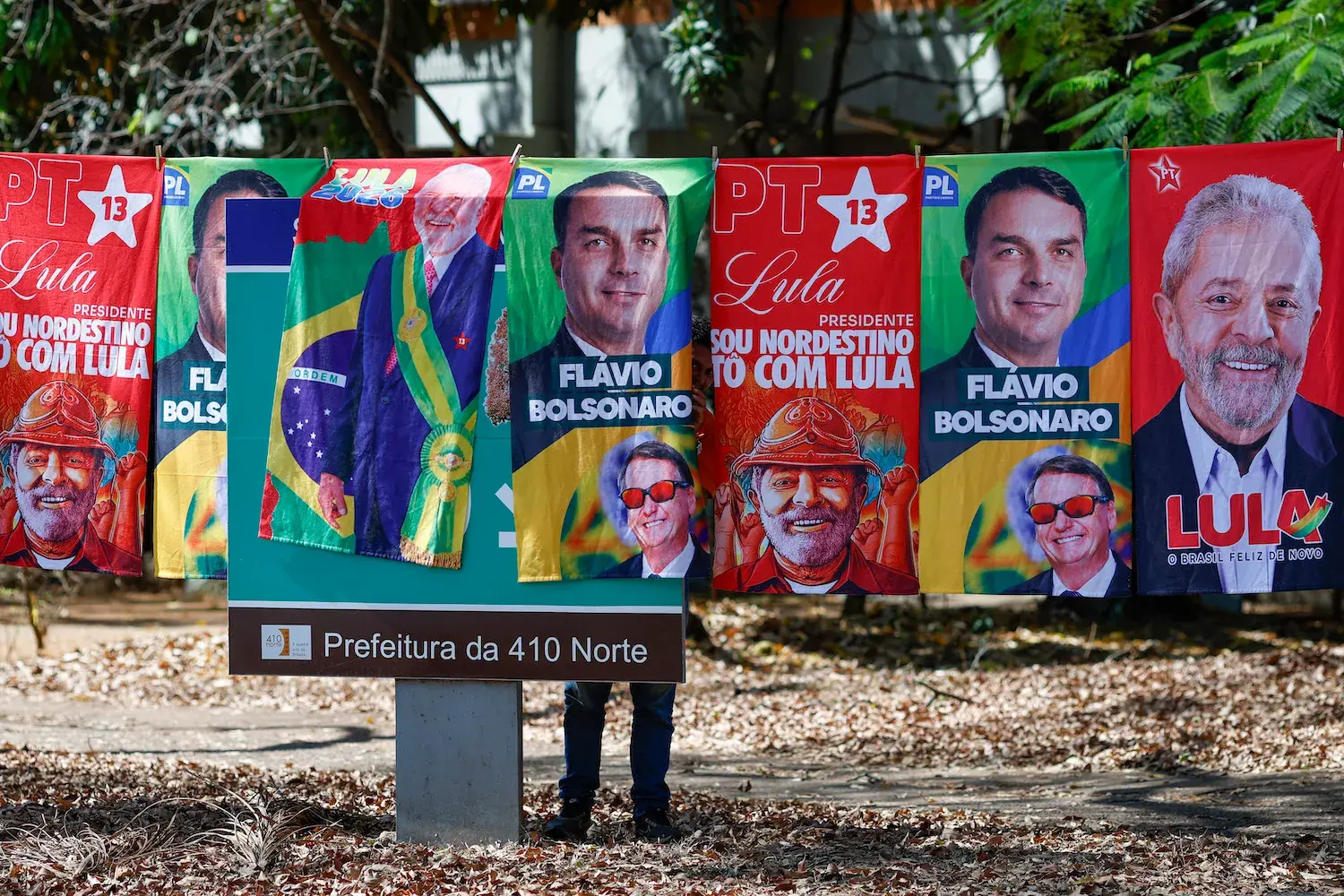
Why the Vote May Not Translate Into Economic Turnaround
The upcoming presidential vote in Brazil, scheduled for October 6, will decide who leads the nation but is unlikely to address the country’s sluggish growth and entrenched corruption. Analysts say both left‑leaning and right‑leaning parties have presided over similar economic stagnation and scandals, leaving voters with limited options for real reform.
Breaking news
 Deadly Glacier and Rock Collapse in Nepal Linked to Climate Warming
 US Congress Passes Sweeping Sanctions Against Russia
 Speaker Johnson Ends House Session Early to Halt Impeachment Effort
 The High-Stakes Fight for Senate Majority Control
Economists point to a decade of low GDP expansion, averaging just 1.2 % per year, while Transparency International ranks Brazil 94th out of 180 nations for perceived corruption. The current administration’s promises of fiscal tightening and anti‑corruption drives have yielded modest results, and opposition leaders echo similar rhetoric without offering concrete alternatives. This pattern suggests that the electoral cycle itself may be insufficient to break the structural impasse.
The Brazilian economy is hampered by a combination of weak domestic demand, high public debt, and a fragile banking sector. Recent data from the Central Bank show credit growth lagging behind regional peers, reflecting investor wariness. Even if a new president implements stricter fiscal policies, the country’s debt‑to‑GDP ratio, now above 78 %, limits the scope for expansive stimulus.
Will Voter Disillusionment Spark a Demand for Systemic Change?
Corruption remains pervasive across municipal, state, and federal levels. A 2023 audit revealed that more than $4 billion in public contracts were irregularly awarded, a figure that has barely changed since 2015. Experts argue that without an independent judiciary and stronger whistle‑blower protections, any anti‑corruption agenda will struggle to gain traction. „Elections can change faces, but they rarely overhaul the networks that enable graft,” said Dr. Lucia Mendes, a political scientist at the Federal University of Rio de Janeiro.
Public sentiment is growing increasingly cynical. A recent poll by Datafolha shows that 62 % of respondents believe the political class cannot solve Brazil’s main problems. Younger voters, especially those under 30, are more likely to support new parties or independent candidates, yet ballot access rules and campaign financing thresholds keep these movements marginal.
If disillusionment translates into lower turnout, the election could reinforce the status quo, as established parties rely on entrenched voter bases. Conversely, a surge in participation by reform‑minded citizens might pressure candidates to adopt more ambitious policies, though translating promises into legislation remains a steep hurdle.
The election’s aftermath will likely see continued debate over fiscal discipline and anti‑corruption measures, but without institutional reforms, Brazil may see only incremental adjustments. The country’s long‑term stability hinges on breaking the cycle of short‑term political wins and addressing the deep structural flaws that have persisted across administrations.
Frequently Asked Questions
What are the main economic challenges Brazil faces ahead of the election? Brazil struggles with low growth, high public debt, and limited credit expansion, all of which constrain policy options for any incoming administration.
How entrenched is corruption in Brazil’s political system? Corruption is widespread, affecting multiple levels of government, with billions of dollars in irregular contracts reported over recent years, and reforms have been slow to materialize.
Can a new president realistically curb corruption and boost growth? While a new leader can set a reform agenda, lasting change requires stronger judicial independence, transparent procurement, and sustained political will beyond a single election cycle.