Navigating the Infrastructure Investment Cycle
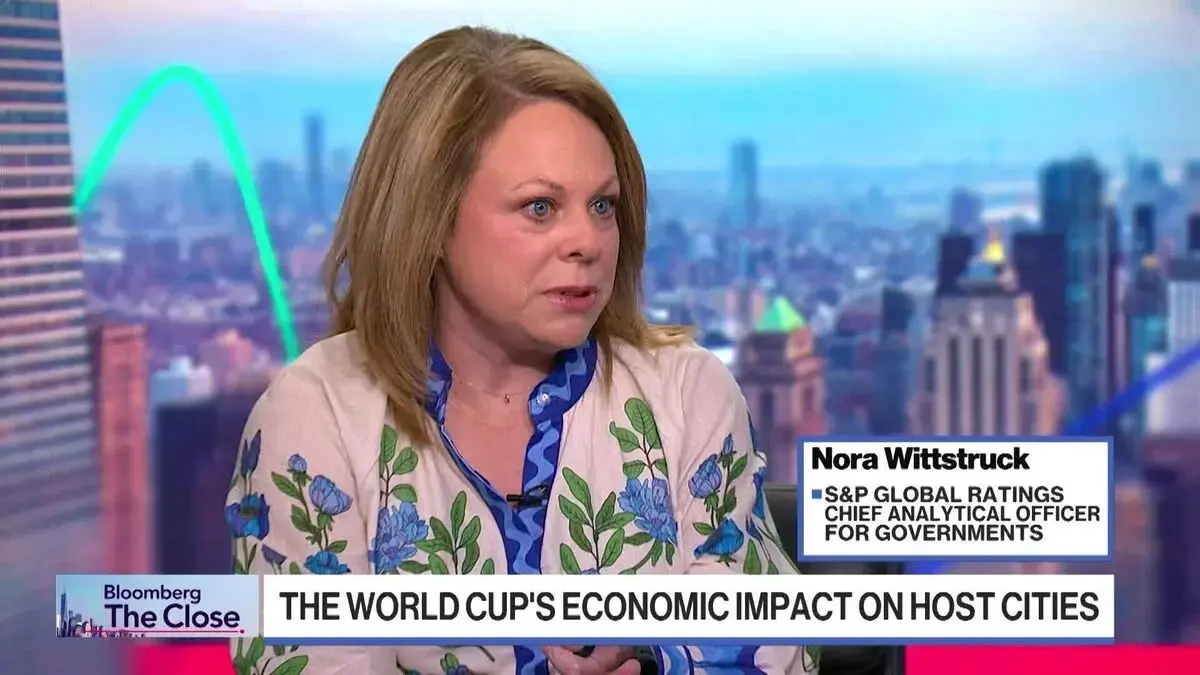
The 2026 FIFA World Cup is poised to provide a significant short-term financial lift to host nations. Nora Wittstruck, a senior government analyst at S&P Global, recently discussed the tournament's fiscal implications. She noted that while the event brings immediate activity, the long-term economic legacy remains a complex subject for participating cities.
Breaking news
 Greenpeace Investigates Zaporizhzhia Nuclear Plant Power Lines
 Researcher warns strict age limits needed for children on social media
 Hezbollah defends its arsenal amid Lebanese political deadlock
 Can an AI Chatbot Reduce Maternal Deaths in Kenya?
FIFA enters this massive global competition in a remarkably resilient financial state. Despite navigating various historical challenges, the organization has solidified its balance sheet. This stability allows the governing body to manage the logistical demands of a tournament hosted across multiple countries simultaneously.
Hosting matches requires substantial public spending on stadiums, transportation, and security. Wittstruck emphasizes that these capital projects often lead to temporary spikes in local commerce and tourism. However, cities must carefully manage these investments to ensure they remain functional long after the final trophy is lifted.
Will the Financial Gains Outlast the Final Whistle?
The influx of international visitors creates a concentrated period of high consumption. Local hospitality and retail sectors typically see the most immediate benefits from this surge. Yet, the broader macroeconomic impact depends heavily on how effectively each host city integrates these temporary facilities into their permanent urban infrastructure.
Economists remain cautious about the long-term return on investment for large-scale sporting events. While the immediate boost is undeniable, the maintenance costs of specialized venues can weigh on municipal budgets for years. Success is ultimately defined by whether the tournament serves as a catalyst for sustainable development rather than just a fleeting event.
The 2026 tournament represents a unique test case due to its expanded format and geographic spread. Analysts are watching closely to see if this model creates a more balanced distribution of economic activity. For now, the focus remains on the immediate revenue generation and the logistical execution of the games.
Frequently Asked Questions
What is the primary economic benefit of the World Cup? The tournament generates a short-term boost through increased tourism, hospitality spending, and local retail activity. It also stimulates temporary infrastructure improvements in host cities.
Does FIFA face financial pressure during the event? No, FIFA has emerged in a strong financial position. Their current stability allows them to effectively oversee the massive logistics required for a multi-nation tournament.
Are there long-term risks for host cities? Yes, cities face the challenge of maintaining expensive infrastructure after the event ends. Without proper planning, the costs of stadium upkeep can outweigh the initial economic gains.