
Why the PBOC Move Matters for Bank Margins
Short-term debt yields from Chinese banks have dropped to a record low following a shift in People's Bank of China rates. This move signals easing financial conditions for lenders across the country.
Breaking news
 Democratic Party Factions Compete for Influence Following Election Gains
 Education in Crisis: Why We Cannot Afford to Wait
 How Economic Pressures Shaped Donald Trump's Presidency
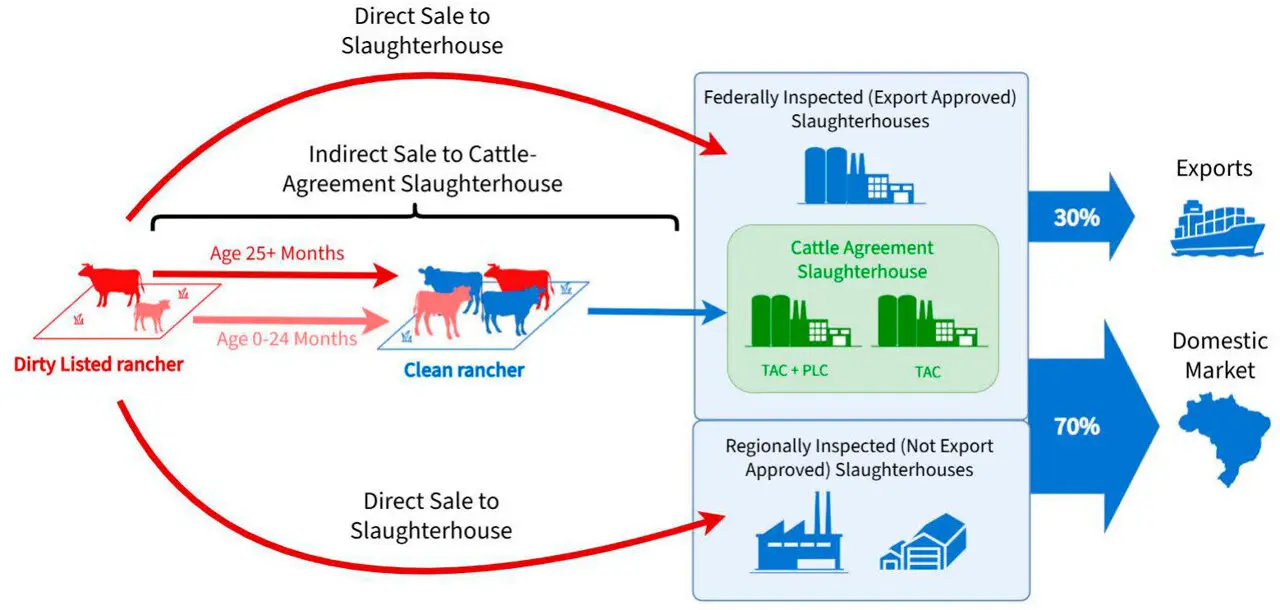 Brazil's Dirty List: How Cattle Ranchers Bypass Forced Labor Safeguards
The central bank adjusted its benchmark rates, directly influencing how much banks pay to secure short-term funding. Lower costs improve profit margins for institutions that rely heavily on wholesale funding markets.
The rate adjustment reduced borrowing costs for banks that issue short-term notes. This allows them to maintain or expand lending operations without squeezing net interest margins. Analysts note that this shift reflects broader monetary policy aimed at stimulating economic activity.
What This Means for Lending and the Economy
Bank funding costs in China have historically tracked closely with PBOC policy rates. When the central bank cuts rates, interbank and wholesale funding becomes cheaper. This dynamic is especially visible in short-term instruments like commercial paper and interbank deposits.
Cheaper funding encourages banks to extend more credit to businesses and households. This supports investment and consumption, which are key drivers of China's growth. However, it also raises concerns about asset quality if lending standards loosen too quickly.
Regulators are watching for signs of excessive credit expansion. The PBOC's rate shift is part of a coordinated effort to stabilize the economy amid slowing growth. Banks with strong balance sheets stand to benefit most from the lower funding environment.
Frequently Asked Questions
Did the PBOC rate cut immediately lower bank funding costs? Yes. The central bank's rate adjustment directly reduced the cost of short-term debt for Chinese banks. This is reflected in the record low yields observed in funding markets.
How does this affect ordinary borrowers? Lower bank funding costs can translate into cheaper loans for businesses and consumers. Banks may pass on some of these savings through reduced interest rates on mortgages and business credit.
Is this a sign of broader monetary easing? It is one component of a wider monetary policy shift. The PBOC is using rate cuts and liquidity tools to support economic activity. This move fits within a larger strategy to counter slowing growth.