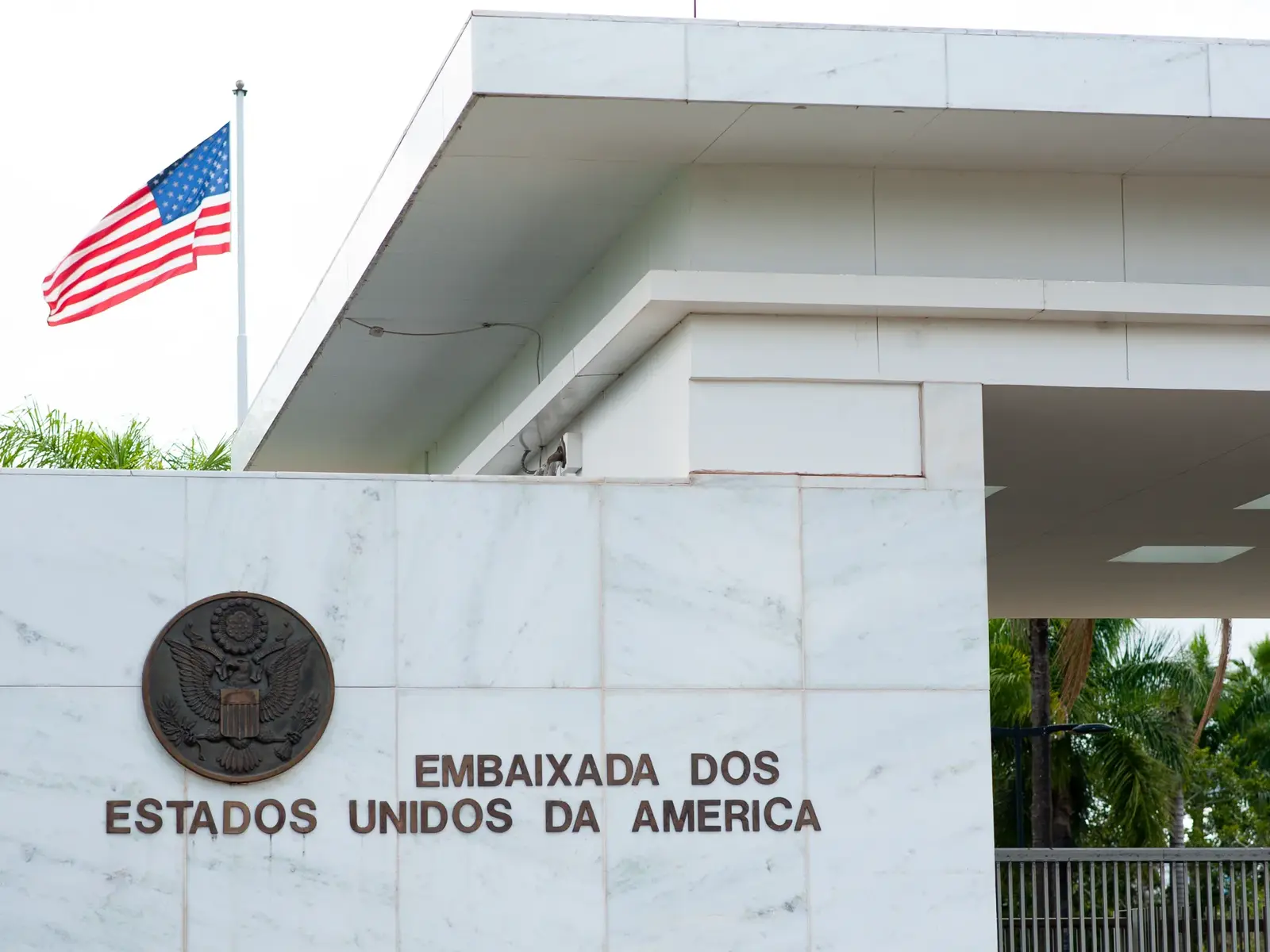
Security Fears Drive Temporary Withdrawal of Staff
The United States and Australia have temporarily suspended their diplomatic operations in Brazil. This decision comes one week before the country’s pivotal general election. Security concerns prompted both nations to pull back their staff. The move highlights growing unease about stability in South America’s largest economy.
Breaking news
 South Korea Weighs Strong Response After DMZ Landmine Blast
 Quebec Separatists Promise Referendum After Election Victory
 Pacific Leaders Demand Firm Commitment to Fossil Fuel Exit
 Green Party Faces Crisis After Controversial Vote
Both embassies cited heightened security threats as the primary reason for the suspension. Officials noted that the political environment had become increasingly volatile. Rival political rallies have filled Brazilian streets in recent days. Campaigns are intensifying as election day approaches. The suspension affects routine diplomatic functions but does not close the missions entirely.
The decision reflects a broader trend among international observers monitoring Brazil’s political landscape. Security teams assessed the risk profile for foreign diplomats stationed in major cities. They identified specific threats linked to the upcoming vote. While the exact nature of the threats remains classified, officials described the situation as urgent. This is not the first time foreign missions have adjusted operations during Brazilian elections. However, the simultaneous action by two key Western allies signals a shared concern. The US and Australia coordinate closely on regional security matters. Their joint decision underscores the importance they place on protecting personnel.
Will Normalcy Return After the Vote?
Diplomats in Brazil continue to work remotely or from secure locations. Essential services remain available to citizens of both countries. Consular support is maintained through emergency channels. The temporary nature of the suspension suggests authorities expect normalcy to return quickly. Once the election concludes, missions plan to resume full operations. This pause allows for a reassessment of security protocols. It also provides time for local police to manage crowd control at rallies.
The outcome of the election will determine the next steps for diplomatic relations. A peaceful transition of power could lead to a rapid restoration of services. Conversely, any disputes over results might prolong the suspension. Analysts note that foreign governments often use such measures as a precautionary step. It signals to domestic political actors that the international community is watching closely. The presence of US and Australian diplomats serves as a stabilizing factor. Their temporary absence may reduce pressure on local security forces. However, it also limits direct communication channels between governments.
The suspension has minimal impact on trade and economic ties. Business operations continue as usual. The focus remains strictly on personnel safety. As Brazil heads to the polls, the world watches for signs of stability. The actions of the US and Australia set a precedent for other nations. More countries may follow suit if security conditions deteriorate further. For now, the diplomatic pause stands as a clear indicator of the high stakes involved in this election.
Frequently Asked Questions
Why did the US and Australia suspend operations? Security threats prompted the temporary halt. Both nations cited heightened risks to their diplomatic staff in Brazil.
How long will the suspension last? It is expected to last until after the election. Missions plan to resume full operations once the political situation stabilizes.
Are consular services still available? Yes, essential services remain accessible. Citizens can reach emergency channels for support during this period.