Behind the Diplomatic Thaw
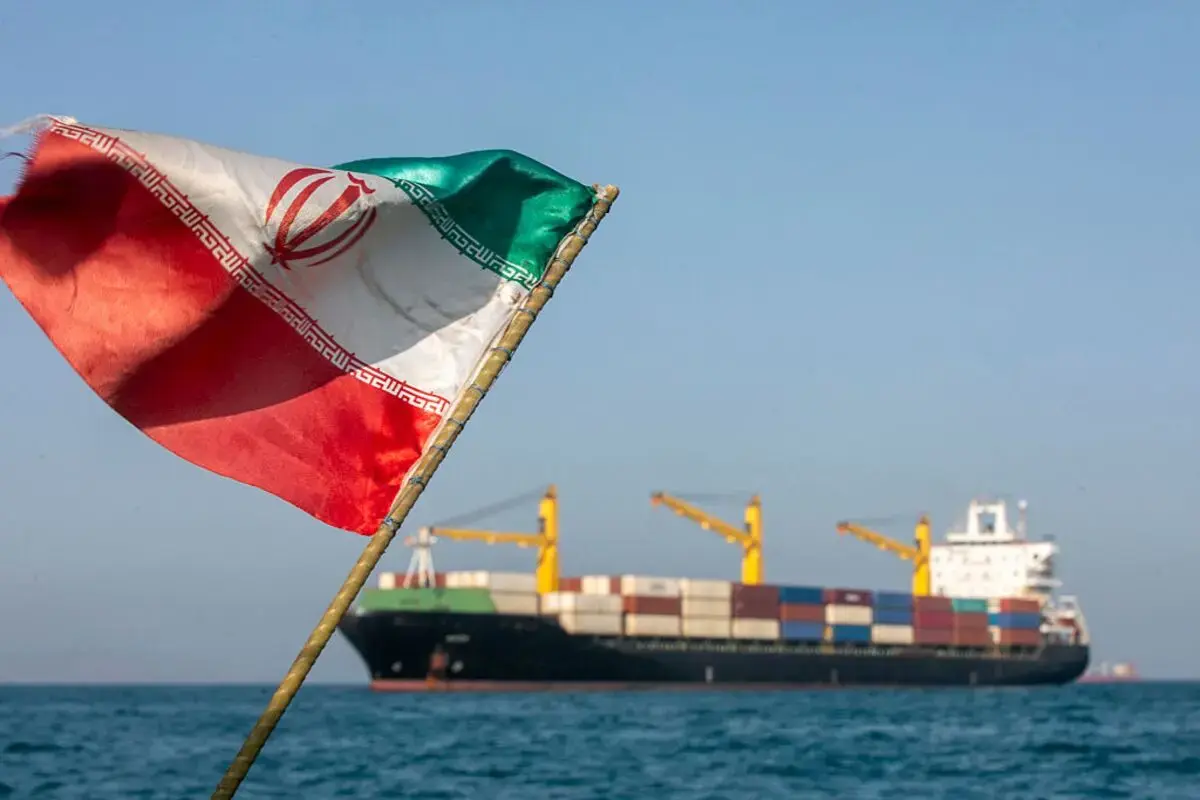
U. S. Secretary of State Marco Rubio signaled possible breakthroughs in the Strait of Hormuz, as negotiations with Iran continue. The comments came Thursday amid heightened maritime tensions in the strategically vital waterway, where commercial shipping has faced disruptions over recent weeks.
Breaking news
 Deadly Glacier and Rock Collapse in Nepal Linked to Climate Warming
 US Congress Passes Sweeping Sanctions Against Russia
 Speaker Johnson Ends House Session Early to Halt Impeachment Effort
 The High-Stakes Fight for Senate Majority Control
Rubio’s remarks suggest cautious optimism. He cited diplomatic progress behind closed doors, though he offered no specifics. The Strait of Hormuz, a chokepoint for global oil shipments, has seen Iranian naval activity and ship seizures spark concern among Western allies and energy markets. Any de-escalation could stabilize shipping lanes used by nearly a third of the world’s seaborne oil.
U. S. officials are reportedly engaging in indirect talks with Iranian counterparts, mediated by regional partners. While Washington maintains sanctions over Tehran’s nuclear program, recent discussions have focused on maritime security and the release of detained vessels.
Rubio emphasized that „good news” could emerge within hours. „We’re seeing movement where it matters,” he said, speaking to reporters at the State Department. „The goal is safe passage for all lawful traffic through the Strait.”
Could a Deal Unblock the Strait?
Iran has not confirmed direct negotiations but acknowledged „contacts” with Western envoys. Analysts note that Tehran may be seeking relief from economic pressure, as inflation and declining oil revenues strain its budget.
The possibility of an agreement raises hopes for a swift return to normal shipping operations. Over the past month, several tankers were briefly held by Iranian forces, citing inspection needs or alleged violations. These actions disrupted supply chains and spiked insurance costs for vessels transiting the area.
Maritime data shows a growing backlog of ships waiting to cross the Strait. At least 17 commercial vessels remained anchored near the entrance as of Thursday evening, some for over 72 hours.
Frequently Asked Questions
A senior U. S. defense official, speaking on condition of anonymity, said the Pentagon is monitoring Iranian naval movements closely. „Any lasting solution must include verifiable commitments,” the official said. „We’re not assuming anything until we see action.”
What makes the Strait of Hormuz so important? The Strait is the only sea passage connecting Gulf oil producers to global markets. About 17 million barrels of oil pass through daily, making it critical for energy supply. Blockades or attacks here can disrupt prices worldwide.
Why is the U. S. not negotiating directly with Iran? Due to longstanding diplomatic tensions and U. S. sanctions, formal talks remain limited. The Biden administration continues to use intermediaries, including Oman and European allies, to avoid political backlash at home.
What would „good news” look like in this context? It could mean the release of detained ships, reduced naval patrols, or a mutual understanding to avoid confrontations. While not a full resolution, such steps could restore confidence in maritime safety.