A Clash of Political Dynasties
Brazilian voters head to the polls this Sunday for a high-stakes presidential runoff. The election features a stark contrast between the 80-year-old incumbent, leftist Luiz Inácio Lula da Silva, and his challenger, 45-year-old conservative senator Flávio Bolsonaro. This contest marks a critical turning point for the nation’s political trajectory and future governance.
Breaking news
 Ronna McDaniel Weighs In on GOP's Path Forward
 Market Sentiment Shifts as S&P 500 Snaps Three-Day Losing Streak
 Voters Demand Stronger Congressional Oversight of Presidential Power
 Pelosi Looks Back, Sees Democratic Triumph Ahead
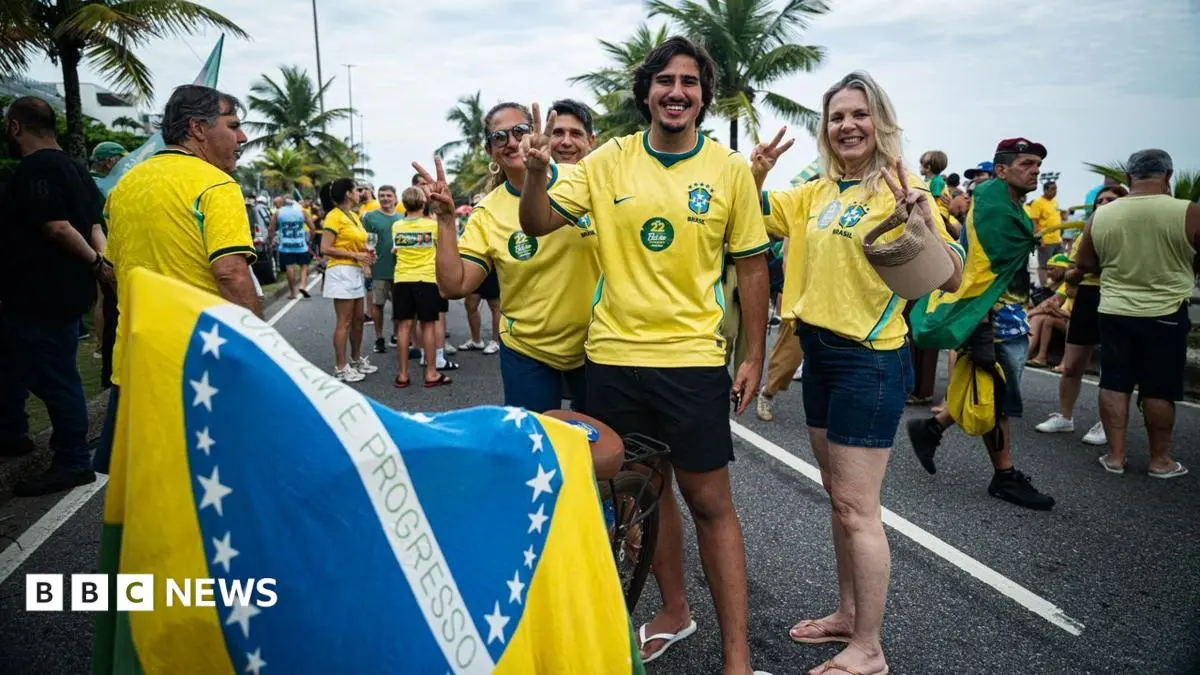
Lula is currently campaigning for his fourth non-consecutive term in office. He faces a stiff challenge from Flávio Bolsonaro, the son of the former president. The campaign has been defined by intense polarization, with both candidates mobilizing their respective bases across the country. Supporters view this election as a battle for the soul of Brazil.
The political landscape remains deeply divided as voters weigh two distinct visions for the country. Lula relies on his long-standing history and established political base to secure another term. Conversely, the younger Bolsonaro represents the continuation of his father’s right-wing movement. Analysts note that the voter turnout in key urban centers will likely determine the final outcome.
Will the Status Quo Prevail?
The campaign trail has been marked by heated rhetoric and strategic maneuvering from both camps. Each side has focused on mobilizing undecided voters who remain concerned about the nation’s economic stability. Public debates have highlighted the deep ideological rift separating the two candidates and their supporters.
The result of this election will have immediate consequences for Brazil’s legislative agenda and international relations. A victory for Lula would signal a return to traditional left-wing policies, while a win for the younger Bolsonaro would solidify the influence of the right. Observers expect a narrow margin that could lead to significant social tension regardless of the winner.
Frequently Asked Questions
The outcome will ultimately dictate the direction of domestic reforms and the country's economic focus for the next several years. Citizens are watching closely as the final hours of campaigning unfold before the polls officially open. The international community remains attentive to how the democratic process plays out in the region's largest economy.
Who are the two primary candidates in this presidential runoff? The election features incumbent Luiz Inácio Lula da Silva and conservative senator Flávio Bolsonaro. Both men represent fundamentally different political ideologies for the country.
What is at stake for Brazil in this upcoming election? The election will determine the nation's leadership and its future legislative direction. The results will influence domestic policy, economic management, and Brazil's standing on the global stage.



