Campaign Strategies Diverge Over Economy and Environment
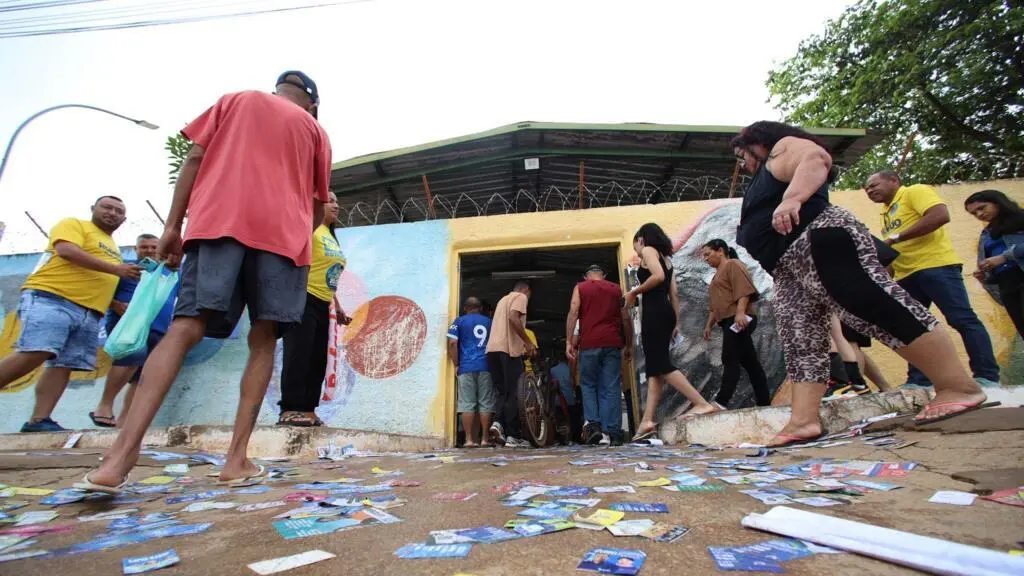
On Sunday, Brazilians headed to polling stations across the country to decide the future of the nation in a high‑stakes presidential contest between incumbent Luiz Inácio Lula da Silva and right‑wing senator Flávio Bolsonaro, the son of former president Jair Bolsonaro. The election, scheduled for 2026, attracted record turnout, with nearly 160 million eligible voters casting ballots amid intense media scrutiny and political polarization.
Breaking news
 Trump Rejects AI Safety Measures Amid China Competition
 Behavioral Health and the Justice System: Accreditation and Continuity-of-Care Standards for Justice-Involved Individuals
 Britney Spears Dazzles in Bold Lingerie Shoot
 South Korea Weighs Strong Response After DMZ Landmine Blast
The race has become a symbolic clash of ideologies. Lula, a seasoned politician and former president, champions social welfare, environmental protection, and a left‑leaning economic agenda. Flávio Bolsonaro, a rising star in Brazil’s conservative movement, pledges to crack down on crime, promote free‑market policies, and continue his father’s legacy of nationalist rhetoric. The stakes are high: the winner will shape Brazil’s economic trajectory, its role in the global climate debate, and its domestic security policy.
How Will the Vote Turn Out? Polls and Public Sentiment
Lula’s campaign focuses on expanding social programs and protecting the Amazon rainforest, arguing that sustainable development can coexist with economic growth. He has highlighted his record of reducing poverty and increasing minimum wages during his previous terms. In contrast, Flávio Bolsonaro’s strategy centers on deregulation, tax cuts, and attracting foreign investment. He criticizes Lula’s policies as overly interventionist and claims they stifle entrepreneurship. The debate over environmental policy is particularly sharp, with Bolsonaro’s platform promising less stringent protection of the Amazon, while Lula vows to enforce stricter conservation laws.
Both candidates have leveraged digital media to reach younger voters. Lula’s team uses data analytics to target urban centers, whereas Bolsonaro’s supporters mobilize through social networks that emphasize nationalist sentiment. The campaigns also differ in their handling of corruption allegations. Lula’s opponents accuse him of lingering ties to the 2016 „Operation Car Wash” scandal, while Bolsonaro’s allies point to his father’s controversial political style and alleged ties to extremist groups. Each side has framed these accusations as either a warning or a rallying cry.
What Are the Implications for Brazil’s Future?
Opinion polls conducted in the weeks leading up to the election show a close race, with Lula holding a narrow lead in most regions. However, fluctuations in voter sentiment are common in Brazil’s volatile political climate. Analysts note that turnout in rural areas could swing the outcome, as these regions traditionally favor conservative candidates. In urban centers, Lula’s message of social equity resonates strongly, especially among lower‑income voters. The election’s outcome will likely hinge on voter turnout in key swing states such as Minas Gerais and São Paulo, where both campaigns are investing heavily in canvassing efforts.
The presidential election is also a referendum on Brazil’s handling of the COVID‑19 pandemic and economic recovery. Lula’s administration has been praised for its vaccination rollout and stimulus packages, but critics argue that inflation remains a pressing issue. Bolsonaro’s supporters claim that his administration’s pandemic response was too slow and that the economy suffered due to insufficient fiscal stimulus. These contrasting narratives will influence undecided voters who are evaluating the effectiveness of each candidate’s governance.
Frequently Asked Questions
A victory for Lula would signal a continuation of left‑leaning policies, potentially strengthening Brazil’s engagement with international climate agreements and expanding social welfare programs. It could also lead to increased scrutiny of Brazil’s mining and agricultural sectors, with stricter environmental regulations. Conversely, a win for Flávio Bolsonaro would likely shift the country toward a more conservative, pro‑business agenda. This could attract foreign investment but might also exacerbate social inequalities and reduce environmental protections. The international community will closely watch the election, as Brazil’s policies on climate change, trade, and human rights carry global significance.
Q: Which regions are most decisive for the outcome? A: Swing states such as Minas Gerais and São Paulo, where voter turnout could tip the balance, are critical to the final result.
