His rhetoric has intensified fears of renewed ethnic tensions
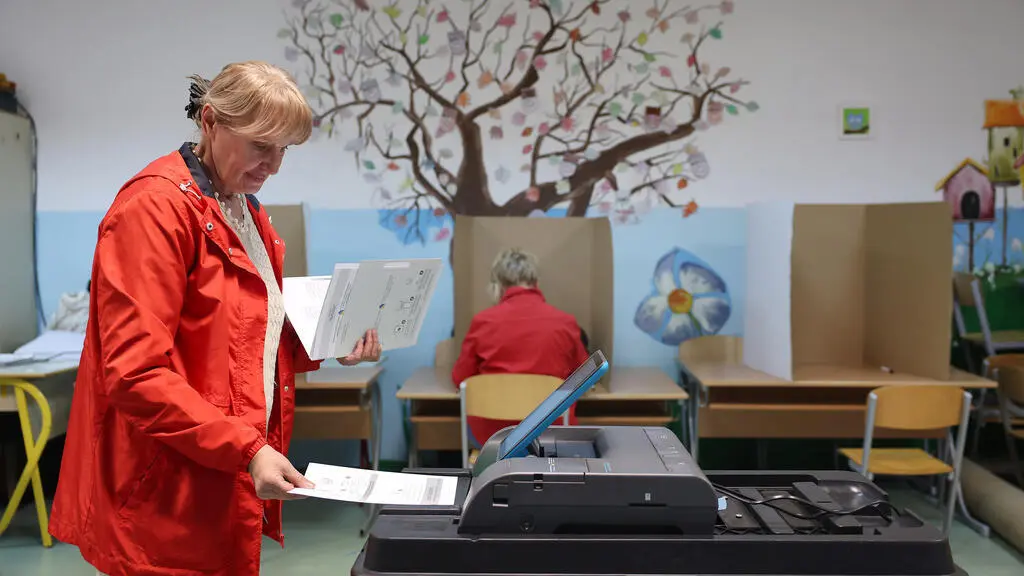
Bosnians are heading to the polls Sunday in elections that could impact the influence Russia seeks over the small Balkan nation, with separatist Serb leader Milorad Dodik dominating the campaign despite his ban from public office. The vote takes place in Bosnia and Herzegovina, a country still deeply divided along ethnic lines following the 1990s war, where voters will elect members of the presidency, parliament, and local councils amid rising nationalist rhetoric and external pressure. The elections are seen as a critical test of Bosnia’s fragile statehood, as Dodik, who leads the Republika Srpska entity, continues to advocate for secession despite being barred from holding office due to corruption convictions.
Breaking news
 Ronna McDaniel Weighs In on GOP's Path Forward
 Market Sentiment Shifts as S&P 500 Snaps Three-Day Losing Streak
 Voters Demand Stronger Congressional Oversight of Presidential Power
 Pelosi Looks Back, Sees Democratic Triumph Ahead
His rhetoric has intensified fears of renewed ethnic tensions, particularly as Russia has voiced support for his stance, raising concerns among Western allies about Moscow’s efforts to destabilize the region and undermine Bosnia’s path toward Euro-Atlantic integration. How is Russia influencing Bosnia’s electoral landscape? Russian influence in Bosnia has grown through diplomatic backing, disinformation campaigns, and financial support to nationalist actors, particularly within the Serb community. While Moscow denies direct interference, officials in Sarajevo and Brussels have warned that Russia seeks to exploit Bosnia’s divisions to prevent closer ties with NATO and the European Union. Dodik’s alignment with Kremlin narratives has amplified these concerns, even as he faces legal restrictions at home. What happens if nationalist gains reshape Bosnia’s institutions?
A strong showing by Dodik’s allies could embolden efforts to paralyze state institutions, obstruct reforms, and push for greater autonomy or outright separation of Republika Srpska.
Such outcomes would jeopardize Bosnia’s constitutional order and delay its EU candidacy, which depends on demonstrating political stability and cooperation across ethnic lines. International observers warn that any move toward secession could trigger a renewed crisis in the Balkans. Frequently Asked Questions Why is Milorad Dodik banned from public office? Dodik was convicted of corruption and obstructing international sanctions, leading to a judicial ban from holding public office, though he remains influential through his party and allies. How does Russia benefit from instability in Bosnia? Russia aims to weaken Western influence in the Balkans by supporting nationalist factions that resist Bosnia’s integration into NATO and the EU, thereby preserving its strategic leverage in the region. What are the main ethnic groups involved in Bosnia’s elections?
Bosnia’s population consists primarily of Bosniaks, Croats, and Serbs, each with distinct political representatives and historical grievances that shape voting patterns and post-war governance.



