Officials argue this approach prevents disruption during recovery while
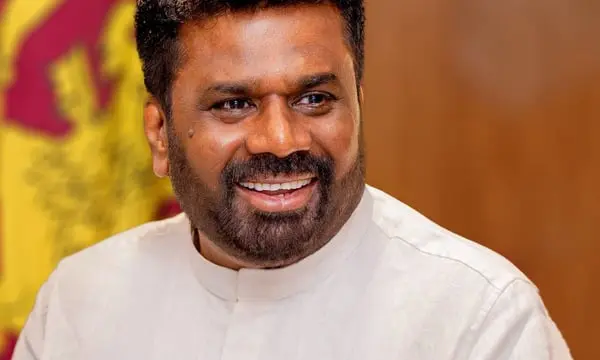
Two years after his election as Sri Lanka's ninth executive president, Anura Kumara Dissanayake, widely known as AKD, continues to lead a government focused on change and continuity. His administration, formed under the National People's Power coalition, has maintained many existing policies while pursuing its reform agenda. The president took office following a clear public mandate for departure from traditional political patterns. AKD's background distinguishes him from previous leaders, as he does not come from a political dynasty or elite social circle. His rise to power reflected voter demand for new faces in governance after years of economic crisis and political instability. The National People's Power government, which he leads, won power promising systemic change while acknowledging the need to preserve functional state mechanisms. Policy Continuity Amid Reform Promises Despite campaigning on transformation, the AKD administration has chosen to retain core elements of previous economic and social policies.
Breaking news
 Ronna McDaniel Weighs In on GOP's Path Forward
 Market Sentiment Shifts as S&P 500 Snaps Three-Day Losing Streak
 Voters Demand Stronger Congressional Oversight of Presidential Power
 Pelosi Looks Back, Sees Democratic Triumph Ahead
Officials argue this approach prevents disruption during recovery while allowing gradual improvements. Key areas like foreign debt management and public service reforms show both change and consistency with past frameworks. The government says this balance supports stability while pursuing long-term goals. How Is the Government Addressing Public Expectations? Public opinion remains divided on whether the pace of reform matches voter hopes for rapid change. Some citizens praise efforts to reduce corruption and increase transparency in state institutions. Others express concern over persistent inflation and slow job growth despite policy adjustments. The administration points to ongoing negotiations with international lenders and domestic productivity initiatives as signs of progress toward promised improvements. Frequently Asked Questions What major policy shifts has the AKD government implemented in its first two years?
The administration has introduced measures to increase tax compliance, renegotiated certain foreign debt terms, and launched digital governance initiatives to improve service delivery while maintaining core welfare programs. How has AKD's non-elite background influenced his leadership style? His presidency emphasizes accessibility and grassroots consultation, with regular town hall meetings and decentralized decision-making processes designed to reflect his connection to ordinary citizens. What economic challenges persist despite government efforts? Sri Lanka continues to face high living costs, uneven regional development, and pressure to balance debt obligations with domestic investment needs, though officials report gradual macroeconomic stabilization.



