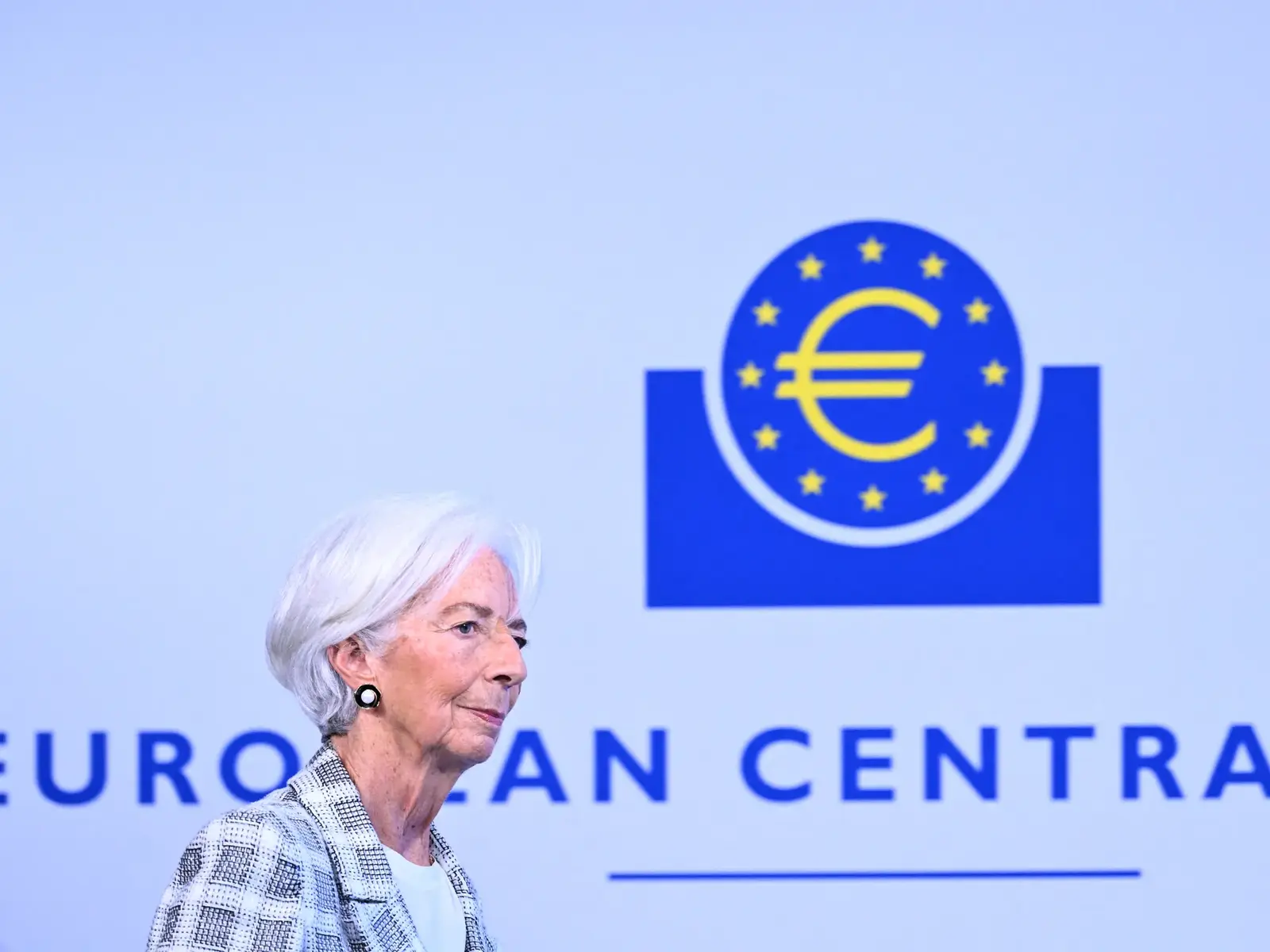
A Sudden Shift in Leadership
Christine Lagarde, President of the European Central Bank, will leave her post on February 7. This decision comes nine months before her eight-year term was scheduled to end. The announcement was made on Thursday via a filmed statement. Her early departure triggers an immediate search for a successor. The eurozone faces economic turbulence, making the transition particularly sensitive.
Breaking news
 Montenegro, Albania Seek NATO Help to Counter Russian Disinformation
 Ronna McDaniel Weighs In on GOP's Path Forward
 Market Sentiment Shifts as S&P 500 Snaps Three-Day Losing Streak
 Voters Demand Stronger Congressional Oversight of Presidential Power
Lagarde’s decision to step down early was communicated through a recorded message. She cited the need for a fresh start for the ECB. The bank is currently navigating complex monetary policy challenges. Inflation pressures and growth concerns define the current landscape. Lagarde’s tenure has been marked by aggressive rate hikes to tame prices. Her early exit leaves a leadership vacuum at a critical juncture.
Who Will Take Over?
The ECB Council will now begin the process of selecting a new president. Candidates must possess deep experience in monetary policy and crisis management. The search will be intense, given the bank’s pivotal role in the global economy. Lagarde’s departure means the next leader will inherit a fragile economic environment. Analysts expect the selection process to be swift to ensure continuity.
Frequently Asked Questions
Why is Lagarde leaving so early? Lagarde chose to step down nine months before her term ended. She stated the move allows the ECB to start a new chapter. The early exit is intended to provide a clean transition for the next leader.
What happens to the ECB leadership gap? The ECB Council will initiate the search for a new president immediately. The transition period will be managed by the current board. This ensures policy continuity while the selection process unfolds.