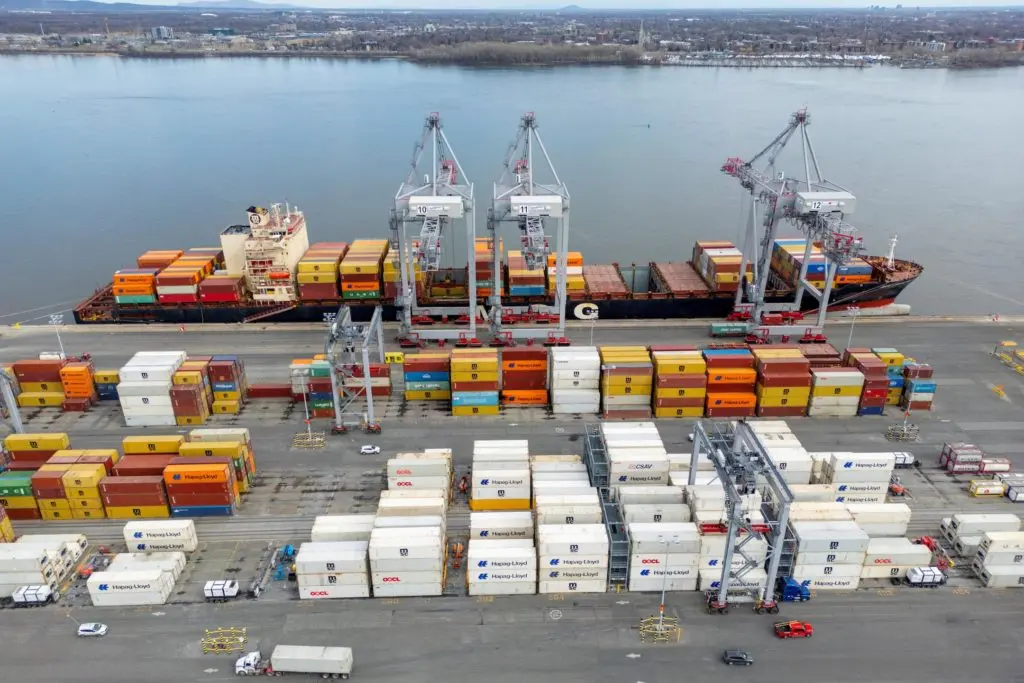
How Are Border Communities Adapting to New Trade Realities
On September 8, 2026, journalists Amna Nawaz and Jackson Hudgins reported on how escalating trade disputes between the United States and Canada are affecting communities and industries on both sides of the border. The discussion focused on the real-world consequences of new tariffs imposed by both nations, particularly in regions deeply integrated through cross-border supply chains. From manufacturing hubs in the Great Lakes region to agricultural zones in the Pacific Northwest, businesses are adjusting to shifting trade flows and increased costs. The report highlighted growing concerns among local officials and industry leaders about long-term economic stability.
Breaking news
 Deadly Glacier and Rock Collapse in Nepal Linked to Climate Warming
 US Congress Passes Sweeping Sanctions Against Russia
 Speaker Johnson Ends House Session Early to Halt Impeachment Effort
 The High-Stakes Fight for Senate Majority Control
The core of the dispute centers on disagreements over lumber, dairy, and automotive parts, with each country accusing the other of unfair trade practices. U. S. tariffs on Canadian softwood lumber have led to higher construction costs in American cities, while Canadian retaliatory measures on U. S. dairy products have disrupted sales for farmers in states like Wisconsin and New York. Meanwhile, integrated auto manufacturing plants in Ontario and Michigan face delays as parts cross borders multiple times during production, now subject to additional duties. Small businesses reliant on cross-border shopping and tourism also report declining revenues as consumers alter spending habits due to price uncertainty.
What Role Does Public Opinion Play in Shaping Trade Policy
In response to the tariffs, some companies are exploring ways to reconfigure supply chains to minimize border crossings, though experts note this is costly and time-consuming. Local governments are advocating for exemptions for certain goods deemed essential to regional economies. In Buffalo, New York, officials have launched a task force to assess the impact on logistics and employment, while in Windsor, Ontario, business associations are pushing for renewed dialogue at the federal level. Economists warn that prolonged tensions could discourage cross-border investment and slow job growth in border regions already sensitive to global market shifts.
Public sentiment in both countries reflects a mix of frustration and cautious support for protecting domestic industries, though many citizens express concern over rising prices at the grocery store and hardware shop. Polls cited in the report show that while a majority in each nation supports standing firm on trade principles, there is also strong desire for a negotiated solution that avoids harming everyday consumers. Lawmakers face pressure to balance political rhetoric with economic pragmatism, especially as midterm elections approach in the U. S. and provincial votes loom in Canada.
What specific products are most affected by the current U. S.-Canada tariffs? The dispute primarily impacts softwood lumber, dairy products, and automotive components, with tariffs applied reciprocally by both countries on these key exports.
Frequently Asked Questions
How are small businesses near the border coping with increased trade costs? Many are adjusting pricing, seeking local suppliers, or reducing cross-border transactions, while some report declining customer traffic due to consumer sensitivity to price changes.
Is there a timeline for resolving the trade disagreement? As of the report date, no formal deadline has been set, though both governments have expressed willingness to engage in talks through existing trade frameworks.