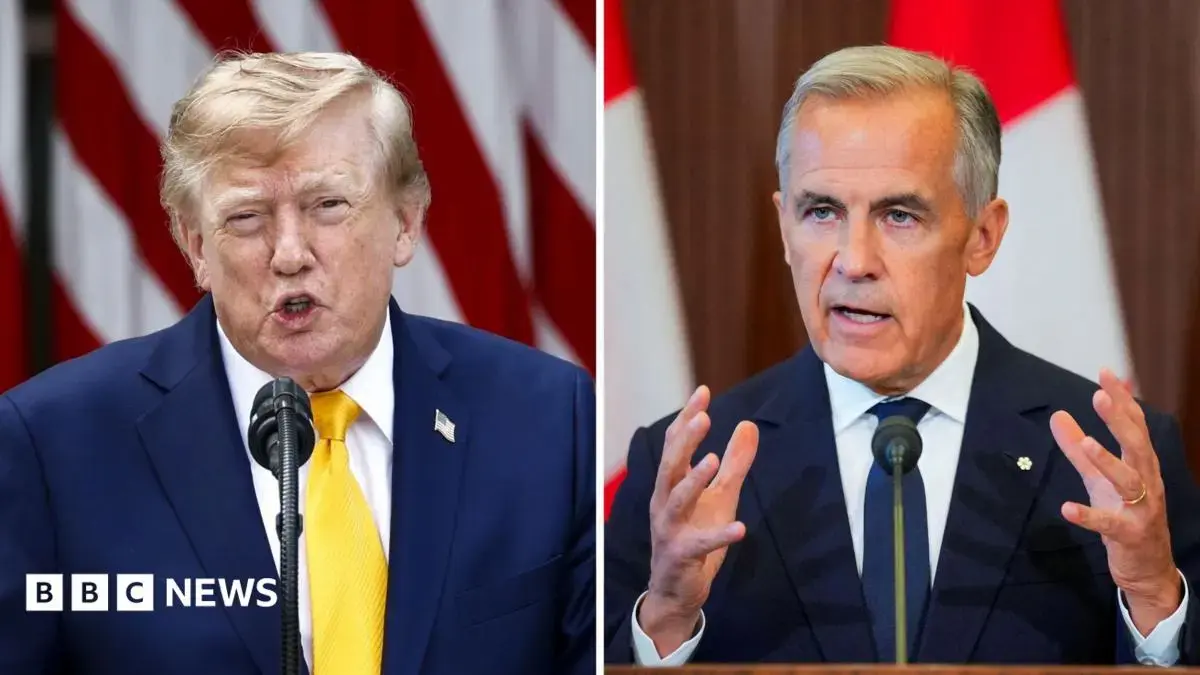
Targeted Industries Could Face Cross-Border Pressure
OTTAWA — Canada's trade minister opened the door Tuesday to retaliatory measures against new U. S. tariffs, as Prime Minister Justin Trudeau signaled his government will not back down from defending Canadian interests. The threat comes as Washington moves forward with steel and aluminum duties that could hit Canadian exports worth billions of dollars annually.
Breaking news
 Deadly Glacier and Rock Collapse in Nepal Linked to Climate Warming
 US Congress Passes Sweeping Sanctions Against Russia
 Speaker Johnson Ends House Session Early to Halt Impeachment Effort
 The High-Stakes Fight for Senate Majority Control
Byron Shaw, Canada's international trade minister, told reporters that any escalation from the United States would prompt an equally strong response from Ottawa. We will always defend our workers and our industries, Shaw said during a press briefing in the nation's capital. The minister emphasized that Canada remains committed to finding diplomatic solutions but warned that patience has limits.
Canada exports roughly 70 percent of its goods to the United States, making the relationship economically vital for both nations. However, experts note that Canada retains leverage through key sectors such as energy, automotive products, and agricultural commodities. Shaw highlighted that Canadian crude oil shipments feed refineries across the American Midwest, while lumber and seafood exports support thousands of U. S. jobs.
Can Diplomacy Prevent a Full-Blown Trade War?
Economists suggest that targeted tariffs on politically sensitive goods—particularly in Republican-leaning states—could influence Washington's calculations. Doug Ford, Ontario's premier, echoed this sentiment, stating bluntly that Trump underestimates uswhen it comes to trade negotiations. Ford added that Canada possesses tools capable of applying meaningful pressure without harming long-term bilateral cooperation.
The latest exchange underscores mounting tensions between the two neighbors over trade policy. While officials acknowledge the importance of maintaining open borders for commerce, frustration grows over what Canada views as unilateral U. S. actions. Trade lawyers warn that prolonged disputes may strain existing agreements, including the United States-Mexico-Canada Agreement (USMCA), which replaced NAFTA in 2020.
Market analysts predict volatility ahead unless negotiators reach a swift resolution. Both sides appear aware that extended conflict risks damaging supply chains already stressed by global disruptions.
Frequently Asked Questions
Will Canada impose immediate counter-tariffs? Not immediately. Officials say they prefer dialogue first but are preparing options for swift implementation if talks fail.
Which products might be affected? Energy exports, automobiles, lumber, and agricultural goods represent major categories vulnerable to reciprocal trade measures.
How would a trade war impact consumers? Higher prices for everyday items like fuel, food, and vehicles could ripple through households on both sides of the border.