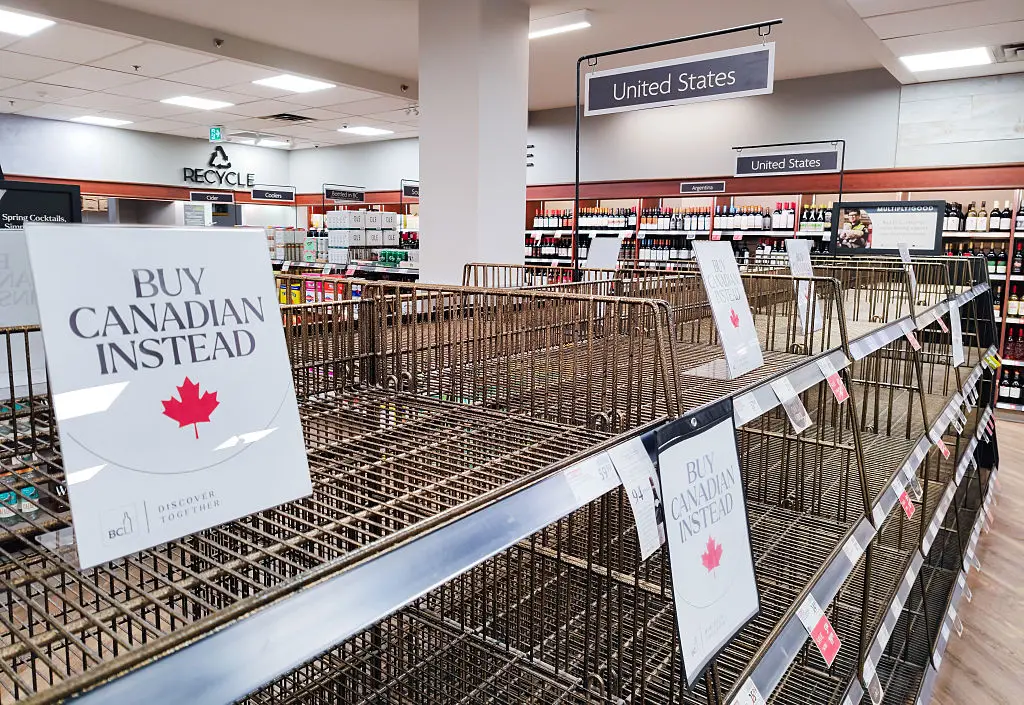
Retailers in regions like British Columbia have responded by increasing shelf
In Vancouver and across British Columbia, shoppers like Lynn Henderson are actively choosing Canadian-made products over American alternatives as trade disputes between Canada and the United States intensify. Henderson, a 47-year-old resident, says she now prioritizes the „Made in Canadalabel when grocery shopping, reflecting a broader consumer shift observed in supermarkets where shelves once stocked with U. S. goods now display signs promoting domestic alternatives. The movement gained momentum in late March 2025, coinciding with renewed trade friction and public statements from Canadian leaders encouraging national purchasing power. Premier Mark Carney has publicly endorsed the ”Buy Canadianinitiative, framing it as a way for citizens to exert economic influence during strained bilateral relations. He emphasized that consumer choices collectively represent a form of national strength, particularly as certain American products face reduced availability or heightened scrutiny in Canadian stores.
Breaking news
 Deadly Glacier and Rock Collapse in Nepal Linked to Climate Warming
 US Congress Passes Sweeping Sanctions Against Russia
 Speaker Johnson Ends House Session Early to Halt Impeachment Effort
 The High-Stakes Fight for Senate Majority Control
Retailers in regions like British Columbia have responded by increasing shelf space for locally produced goods, while some chains have introduced labeling systems to help shoppers identify Canadian-origin items quickly. Social media campaigns and community groups have further amplified the message, sharing tips on substituting everyday products with domestic equivalents. How Are Shoppers Changing Their Habits? Many Canadians report adjusting their routines to seek out Canadian-made alternatives, even when it requires extra effort or slightly higher costs. Henderson notes that while she still buys some imported goods, she now checks labels first and feels a sense of pride when selecting Canadian options. Small businesses producing everything from maple syrup to packaged snacks have reported increased demand, with some citing double-digit sales growth since the movement began.
Online forums dedicated to Canadian product swaps have seen rising participation
Online forums dedicated to Canadian product swaps have seen rising participation, particularly among younger consumers eager to support local economies. What Challenges Does the Movement Face? Despite enthusiasm, obstacles remain in fully replacing American products, especially in categories like electronics, pharmaceuticals, and certain specialty foods where domestic alternatives are limited or nonexistent. Critics argue that a complete boycott could harm Canadian industries reliant on U. S. supply chains or cross-border trade. Economists warn that prolonged trade disruption might lead to higher prices overall, potentially undermining the movement’s accessibility for lower-income households. Still, supporters maintain that even partial shifts in purchasing behavior can send a meaningful signal. Frequently Asked Questions Is the Buy Canadianmovement officially government-mandated? No, it is a grassroots consumer initiative that has received public support from officials like Premier Mark Carney but is not enforced by law or regulation. Are all American products being avoided by participants?
Most participants focus on replacing non-essential goods where Canadian equivalents exist, rather than eliminating all U. S. products indiscriminately. How can shoppers verify if a product is truly Canadian-made? Consumers are advised to look for official Made in Canadalabels or certification logos, and to check ingredient lists or manufacturing locations when labels are unclear.