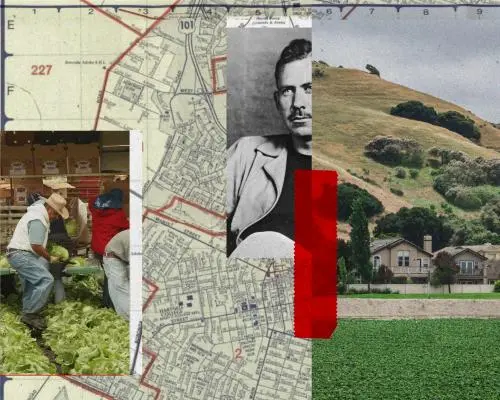
A Legacy of Economic Inequality
Salinas, the birthplace of literary legend John Steinbeck, currently ranks as the least affordable city for the working class in the United States. Located in central California, this agricultural hub produces a massive portion of the nation’s fresh produce. Despite its fertile soil and economic output, most residents cannot afford basic housing.
Breaking news
 Ronna McDaniel Weighs In on GOP's Path Forward
 Market Sentiment Shifts as S&P 500 Snaps Three-Day Losing Streak
 Voters Demand Stronger Congressional Oversight of Presidential Power
 Pelosi Looks Back, Sees Democratic Triumph Ahead
The valley’s economy relies heavily on seasonal farm labor. Workers harvest the majority of America’s lettuce and a significant share of its strawberries. However, the wealth generated by these massive agricultural operations rarely reaches the people performing the manual labor. High living costs have created a stark divide between the land's productivity and the workers' quality of life.
Can the Salinas Valley Bridge the Wealth Gap?
Steinbeck famously immortalized this region in his literature, capturing the struggles of the migrant worker. Today, the landscape remains defined by rows of crops rather than prosperity for its inhabitants. The cost of real estate has skyrocketed, far outpacing the stagnant wages paid to those who feed the country. Many families are forced to live in overcrowded conditions to survive.
Local experts point to a lack of affordable housing development as a primary driver of the crisis. While the agricultural sector thrives on global demand, the local workforce faces constant financial precarity. The town that once inspired tales of hope and struggle now serves as a modern warning about the limits of the American Dream.
The disparity between the valley's agricultural success and the poverty of its laborers continues to widen. Without significant policy changes or housing initiatives, the region risks becoming an enclave for the wealthy while pushing out the very people who sustain its economy. The future of Salinas depends on whether it can prioritize human welfare alongside its massive crop yields.
Frequently Asked Questions
Why is Salinas considered unaffordable? The city faces a severe housing shortage combined with high demand, making it difficult for low-wage agricultural workers to find stable, reasonably priced shelter.
What is the primary industry in this region? The valley is a massive agricultural center, producing more than half of the lettuce consumed in the United States and nearly one-third of its strawberries.