Why Stocks and Currency Are Moving in Opposite Directions
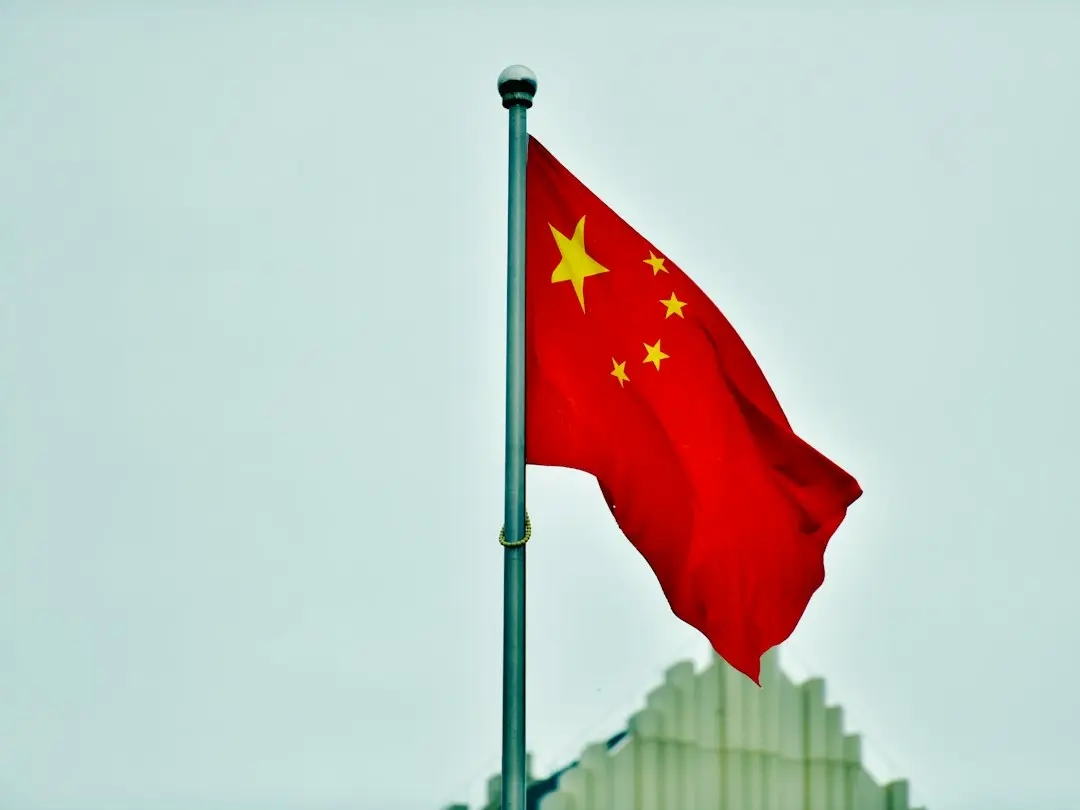
China’s economy continues to show a growing divide between its industrial and consumer sectors, with manufacturing activity slowing while services remain relatively resilient. This uneven performance has become more pronounced in recent months, reflecting deeper structural imbalances. As a result, financial markets are reacting differently, with stock indices under pressure while the yuan faces its own set of challenges. The divergence underscores the complexity of managing growth in a country where regional and sectoral disparities are widening.
Breaking news
 Ronna McDaniel Weighs In on GOP's Path Forward
 Market Sentiment Shifts as S&P 500 Snaps Three-Day Losing Streak
 Voters Demand Stronger Congressional Oversight of Presidential Power
 Pelosi Looks Back, Sees Democratic Triumph Ahead
The stock market has struggled due to weak corporate earnings, particularly in export-oriented and real estate industries, which are weighed down by subdued domestic demand and ongoing property sector woes. Investor sentiment remains cautious, leading to capital outflows and downward pressure on equities. Meanwhile, the yuan has found some support from tighter monetary policy expectations and intervention by the central bank, even as trade tensions and capital flow concerns persist. This contrast highlights how different parts of the economy are responding to policy measures and global headwinds at varying speeds.
What Does This Mean for Policy Makers Going Forward?
Policymakers face a difficult balancing act as they attempt to stimulate lagging sectors without overheating others or destabilizing the currency. Targeted fiscal measures and credit easing have been deployed to boost manufacturing and infrastructure, but their impact has been uneven. Authorities may need to refine their approach, focusing more on structural reforms to address long-term imbalances rather than relying solely on short-term stimulus. The effectiveness of these efforts will depend on how well they can bridge the gap between strong and weak parts of the economy.
Why is China’s economy described as two-speed? It refers to the uneven pace of growth across sectors, with manufacturing and property lagging while services and high-tech industries show more resilience, creating a split in economic performance.
Frequently Asked Questions
How does this divergence affect financial markets? Different sectors react differently to economic conditions, leading to mixed signals in stocks and currencies—equities fall due to weak earnings, while the yuan may stabilize due to policy interventions or capital flow dynamics.
Can the government close this gap quickly? Closing the gap requires sustained structural reforms, not just temporary stimulus, and progress will likely be gradual as authorities work to rebalance growth toward domestic consumption and innovation.