Why the Invitation Has Triggered Strong Reactions
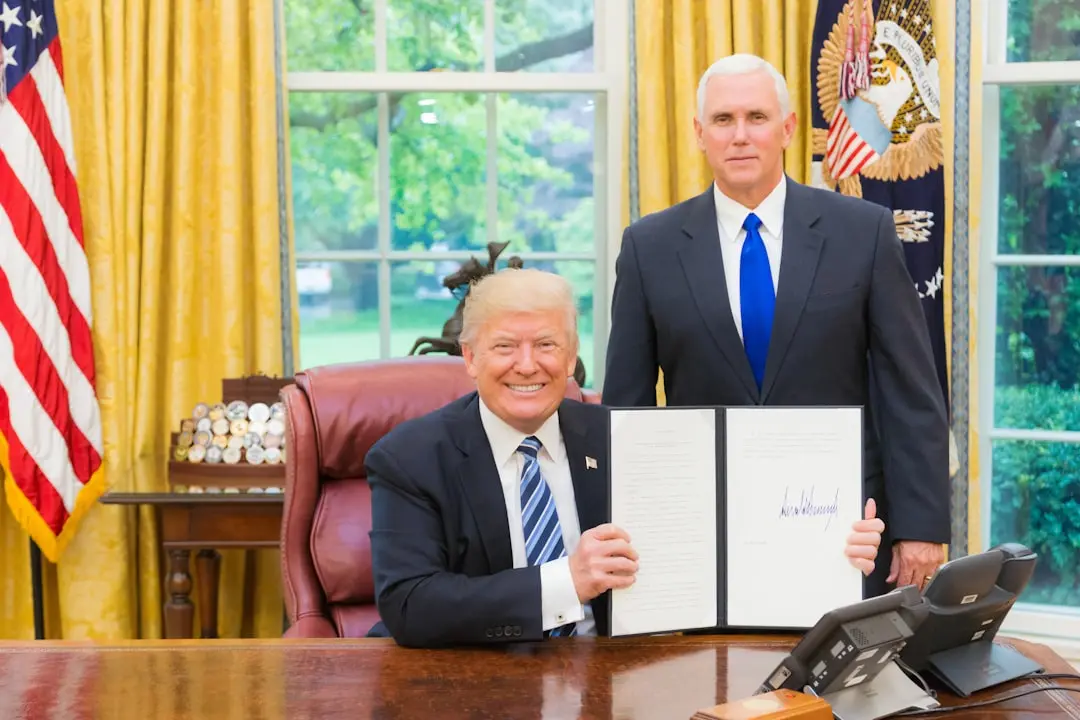
Former U. S. President Donald Trump has sparked significant criticism after inviting Russian Finance Minister Anton Siluanov to participate in G20 discussions, marking the minister’s first in-person appearance at such talks since 2022. The move comes amid ongoing geopolitical tensions following Russia’s actions in Ukraine, with Western nations having largely excluded Russian officials from multilateral forums. Siluanov last attended a G20 meeting via video link in April 2022, an appearance that prompted several Western delegates to walk out in protest. The invitation, extended during private talks hosted by Trump, has reignited debate over the appropriate level of engagement with Russian officials in international economic forums.
Breaking news
 Deadly Glacier and Rock Collapse in Nepal Linked to Climate Warming
 US Congress Passes Sweeping Sanctions Against Russia
 Speaker Johnson Ends House Session Early to Halt Impeachment Effort
 The High-Stakes Fight for Senate Majority Control
The decision to include Siluanov has drawn sharp rebukes from European and North American officials who argue that normalizing Russia’s participation undermines sanctions and diplomatic pressure related to the Ukraine conflict. Critics contend that inviting a senior Russian finance figure sends a conflicting message at a time when many G20 members are coordinating efforts to isolate Moscow economically. Supporters of the move, however, suggest that dialogue on global financial stability—such as debt relief, inflation, and energy markets—requires communication even with adversarial nations. Trump defended the invitation by emphasizing the need for pragmatic engagement, stating that excluding key economies hinders effective crisis management. The G20, which includes both Western powers and emerging economies, has struggled to maintain consensus on Russia’s role since 2022.
What Are the Risks of Re-engaging With Russian Officials?
Reintroducing Russian officials into high-level economic talks carries risks of fracturing alliance unity, particularly among NATO members and EU states that have maintained a unified front against Moscow. There are also concerns that such engagements could be exploited by Russia for propaganda purposes, portraying itself as a legitimate actor in global governance despite ongoing sanctions. Conversely, proponents argue that complete isolation may hinder cooperation on transnational issues like climate finance, pandemic preparedness, and financial regulation. The Treasury Department and other Western finance ministries have not publicly endorsed the invitation, suggesting a divergence between Trump’s approach and current administration policy. Siluanov’s presence at the talks did not result in any formal agreements or joint statements, according to participants.
Was Anton Siluanov subject to sanctions at the time of the invitation? Yes, Anton Siluanov has been under sanctions by the United States, European Union, and other Western nations since 2022 due to his role in financing Russia’s government and its military operations.
Frequently Asked Questions
Did any G20 members walk out during Siluanov’s participation? While no public walkouts were reported during this specific event, Western officials have previously exited meetings when Russian officials participated, reflecting ongoing discomfort with their inclusion.
Does the G20 have a formal policy on excluding members? The G20 operates by consensus, and there is no formal mechanism to expel a member; however, countries can choose not to engage with specific officials or suspend certain forms of cooperation, as seen after 2022.