How Does Russia’s Involvement Affect Iran Negotiations?
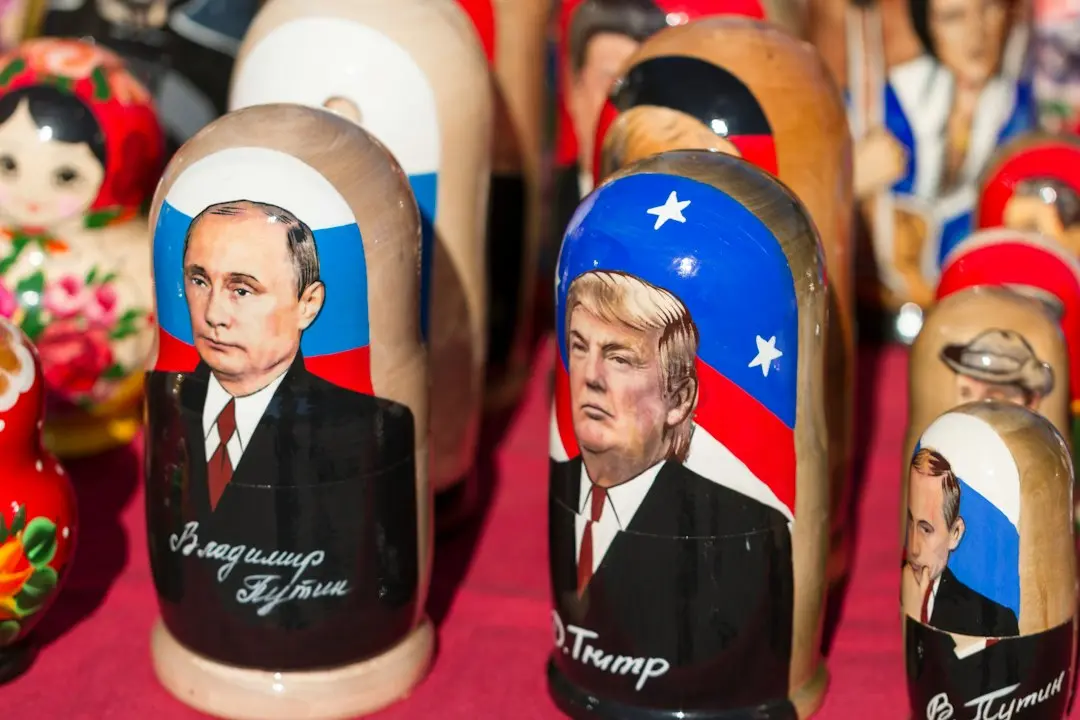
US President Donald Trump expressed approval of Russia’s participation in diplomatic efforts concerning Iran’s nuclear program following a phone conversation with Russian President Vladimir Putin on Friday, according to the Kremlin. The call focused on coordinating approaches to de-escalate tensions surrounding Iran’s nuclear activities, with Trump indicating openness to Russian mediation. Kremlin officials stated that Trump welcomed Moscow’s involvement as constructive and timely, emphasizing the importance of multilateral engagement in resolving the standoff. The discussion occurred amid ongoing international efforts to revive the 2015 nuclear deal, formally known as the Joint Comprehensive Plan of Action, which has stalled since the US withdrawal in 2018.
Breaking news
 Ronna McDaniel Weighs In on GOP's Path Forward
 Market Sentiment Shifts as S&P 500 Snaps Three-Day Losing Streak
 Voters Demand Stronger Congressional Oversight of Presidential Power
 Pelosi Looks Back, Sees Democratic Triumph Ahead
Trump said during the call that Russia had agreed to immediately increase diesel supplies to US and global markets, a move intended to ease energy price pressures linked to geopolitical instability. This commitment, he noted, was part of broader coordination between Washington and Moscow on energy markets and regional security. The Kremlin framed the diesel pledge as a practical step to support global energy stability while diplomatic talks on Iran continue. Analysts suggest the energy concession may serve as a confidence-building measure, though no direct linkage was made between fuel supplies and Iran negotiations. Both leaders reportedly agreed to maintain communication channels to address shared concerns about proliferation risks in the Middle East.
What Are the Risks of Linking Energy Deals to Diplomacy?
Russia’s role in Iran talks carries weight due to its historical ties with Tehran and its position as a permanent UN Security Council member. Moscow has consistently opposed harsh sanctions on Iran and advocated for diplomatic solutions, often acting as a channel between Western powers and Tehran. While the US and European nations remain skeptical of Iran’s compliance, Russia has urged patience and incremental steps toward revival of the nuclear accord. Trump’s acknowledgment of Russia’s input suggests a willingness to consider alternative diplomatic pathways, even as US officials publicly insist on strict verification measures. Experts caution that Russia’s involvement could complicate efforts if its priorities diverge from those of the EU3+3 coalition, particularly regarding sanctions relief timelines.
Connecting energy commitments like diesel supplies to diplomatic progress on Iran raises concerns about mixing economic incentives with non-proliferation goals. Critics argue such linkages could undermine the credibility of negotiations by appearing to trade concessions unrelated to nuclear behavior. However, proponents view energy cooperation as a practical way to build trust and reduce regional volatility, which indirectly supports diplomatic climate. The Kremlin stressed that the diesel increase was motivated by market needs and not conditional on Iran-related outcomes, though Trump’s framing invited interpretation of a quid pro quo. Energy analysts note that global diesel markets remain tight, and any Russian boost could alleviate short-term pressures, especially in Europe and the US Northeast, where inventories have been low.
Did Trump agree to lift sanctions on Iran during the call with Putin? No, there was no mention of sanctions relief in the Kremlin’s summary of the conversation. The discussion centered on Russia’s role in diplomatic efforts and energy market cooperation, not changes to existing US sanctions policy toward Iran.
Frequently Asked Questions
Is Russia’s diesel increase tied to progress in Iran talks? The Kremlin presented the diesel commitment as a response to global energy market conditions, not as a direct exchange for Iran-related concessions. Trump’s remarks linked the two topics sequentially but did not establish a formal conditionality.
Will Russia’s involvement change the course of Iran negotiations? While Russia’s participation adds a influential voice to the process, the core negotiations remain between Iran and the E3+3 group (France, Germany, UK, plus China, Russia, and the US). Moscow’s influence depends on its ability to align with European positions, which have often diverged on the pace and scope of sanctions relief.