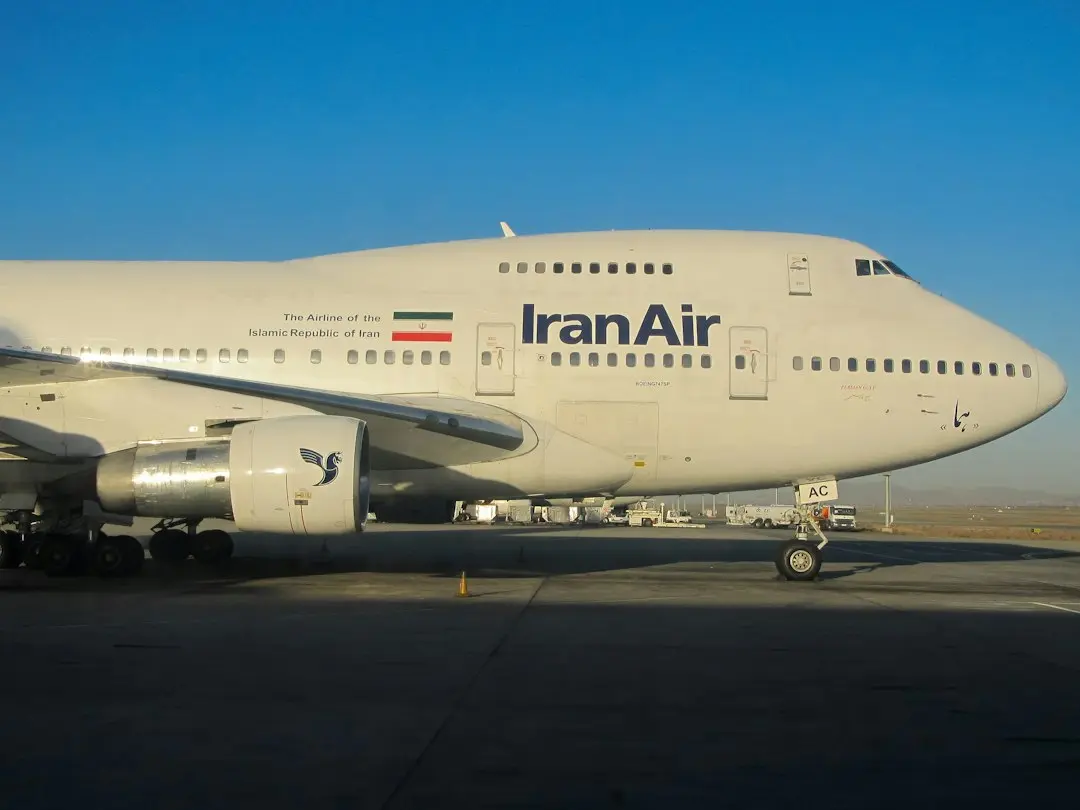
Regional Hubs Reject Iranian Aircraft
Iranian flights departing for Baghdad and Muscat face immediate cancellation starting Tuesday midnight. This move coincides with the enforcement of new United States sanctions targeting Iran’s aviation sector. Local media confirmed the schedule changes just hours before the deadline arrived. The decision effectively halts regular commercial traffic between Tehran and these two key regional hubs.
Breaking news
 Montenegro, Albania Seek NATO Help to Counter Russian Disinformation
 Ronna McDaniel Weighs In on GOP's Path Forward
 Market Sentiment Shifts as S&P 500 Snaps Three-Day Losing Streak
 Voters Demand Stronger Congressional Oversight of Presidential Power
The suspension stems from a specific restriction within the new US sanctions package. These measures aim to tighten the noose around Iran's air transport capabilities. By cutting off access to neighboring countries, the pressure on Iranian carriers intensifies significantly. The timing suggests a coordinated effort to limit operational flexibility before financial penalties kick in.
Tasnim News Agency quoted a spokesperson from the civil aviation authority regarding the changes. The official stated that airports in Baghdad and Muscat would no longer accept incoming Iranian flights. However, the authority noted that negotiations were still ongoing. Officials hoped to reach a temporary agreement to keep some routes open. Despite these talks, the initial directive remained firm. The cancellation took effect immediately after the midnight cutoff.
How Do Sanctions Affect Daily Operations?
This disruption affects thousands of passengers traveling between these destinations. Travelers faced confusion as airlines scrambled to issue refunds or rebookings. The sudden halt highlights the fragility of regional air connectivity under geopolitical pressure. It also underscores the difficulty Iranian airlines face in maintaining international schedules.
The new US sanctions impose strict limits on how Iranian aircraft can operate abroad. They restrict maintenance contracts and fuel purchases from approved suppliers. This forces airlines to rely on older fleets or domestic resources. The exclusion from Baghdad and Muscat serves as an early test of these rules. If other countries follow suit, the network could shrink further.
Airlines must now find alternative routes or reduce frequency. Some may consolidate flights to minimize losses. Passengers on affected itineraries should check their status directly with carriers. Refund policies vary depending on the ticket type purchased. Most travelers are advised to monitor airline announcements closely during this transition period.
Frequently Asked Questions
The outlook remains uncertain for the coming weeks. Negotiations between civil aviation authorities continue in the background. A potential deal could restore limited service before long-term effects set in. Until then, the airspace between these regions grows quieter. The aviation industry watches closely for any diplomatic breakthroughs.
When do the flight cancellations take effect? The cancellations begin at midnight on Tuesday. This aligns with the start date of the new US sanctions.
Are all flights to these cities canceled? Yes, regular scheduled flights to Baghdad and Muscat are suspended. Authorities are negotiating possible exceptions, but none are confirmed yet.