Escalating Pressure on Global Aviation Partners
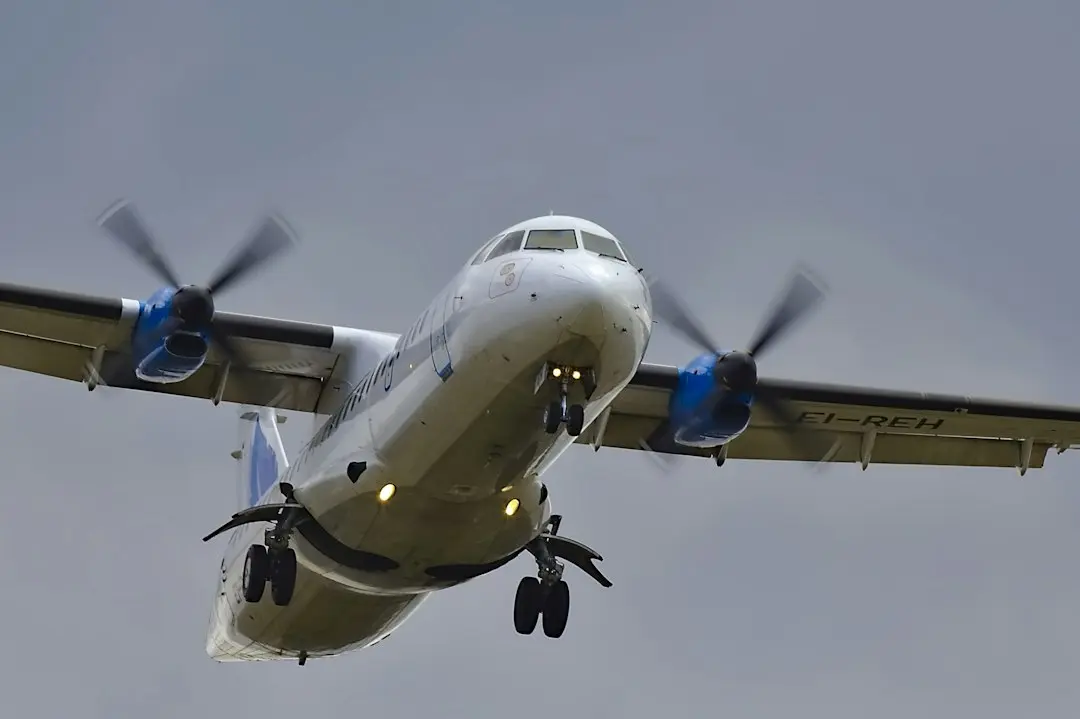
An Iranian commercial flight successfully landed in China this week, directly challenging recent warnings from the United States government. This arrival occurred despite explicit threats from Washington to impose strict secondary sanctions on any entities providing aviation services to Iran’s national carriers. The flight path was confirmed by international aviation tracking data.
Breaking news
 Montenegro, Albania Seek NATO Help to Counter Russian Disinformation
 Ronna McDaniel Weighs In on GOP's Path Forward
 Market Sentiment Shifts as S&P 500 Snaps Three-Day Losing Streak
 Voters Demand Stronger Congressional Oversight of Presidential Power
US Treasury Secretary Scott Bessent announced on Monday that the administration intends to isolate Iranian airlines from the global aviation network. This policy aims to cripple the operational capacity of these carriers by targeting their international partnerships. Washington plans to trigger these punitive measures starting Wednesday to curb Iranian aviation activities.
The US strategy focuses on secondary sanctions to pressure foreign companies into severing ties with the Iranian aviation sector. By targeting service providers, the Treasury Department hopes to make it impossible for Iranian planes to land at international airports. This move represents a significant tightening of existing economic restrictions against the country.
Will International Carriers Comply with the New Mandates?
Companies that continue to offer maintenance, refueling, or ground support to Iranian flights now face severe financial penalties. The administration claims this approach is necessary to limit the reach of Iranian operations. However, the recent landing suggests that some international partners may be willing to risk these consequences.
The effectiveness of these sanctions remains a subject of intense debate among global logistics experts. While the US holds significant leverage over the financial system, maintaining total compliance across international borders is difficult. The coming days will reveal whether other nations will follow the US lead or continue their aviation agreements.
If the US proceeds with these sanctions, Iranian airlines could face a total collapse of their long-haul flight capabilities. This would force the country to rely exclusively on domestic routes or limited regional travel. The international community is now watching to see if this landing was a one-time occurrence or a sign of defiance.
Frequently Asked Questions
What is the primary goal of the new US sanctions? The policy aims to isolate Iranian airlines from global operations by penalizing any foreign companies that provide them with essential aviation services.
When do these new secondary sanctions take effect? The United States government indicated that the enforcement of these punitive measures against service providers begins this Wednesday.
Why is this landing significant? The flight highlights a direct challenge to US foreign policy, as it occurred immediately after Washington warned of severe consequences for supporting Iranian aviation.


