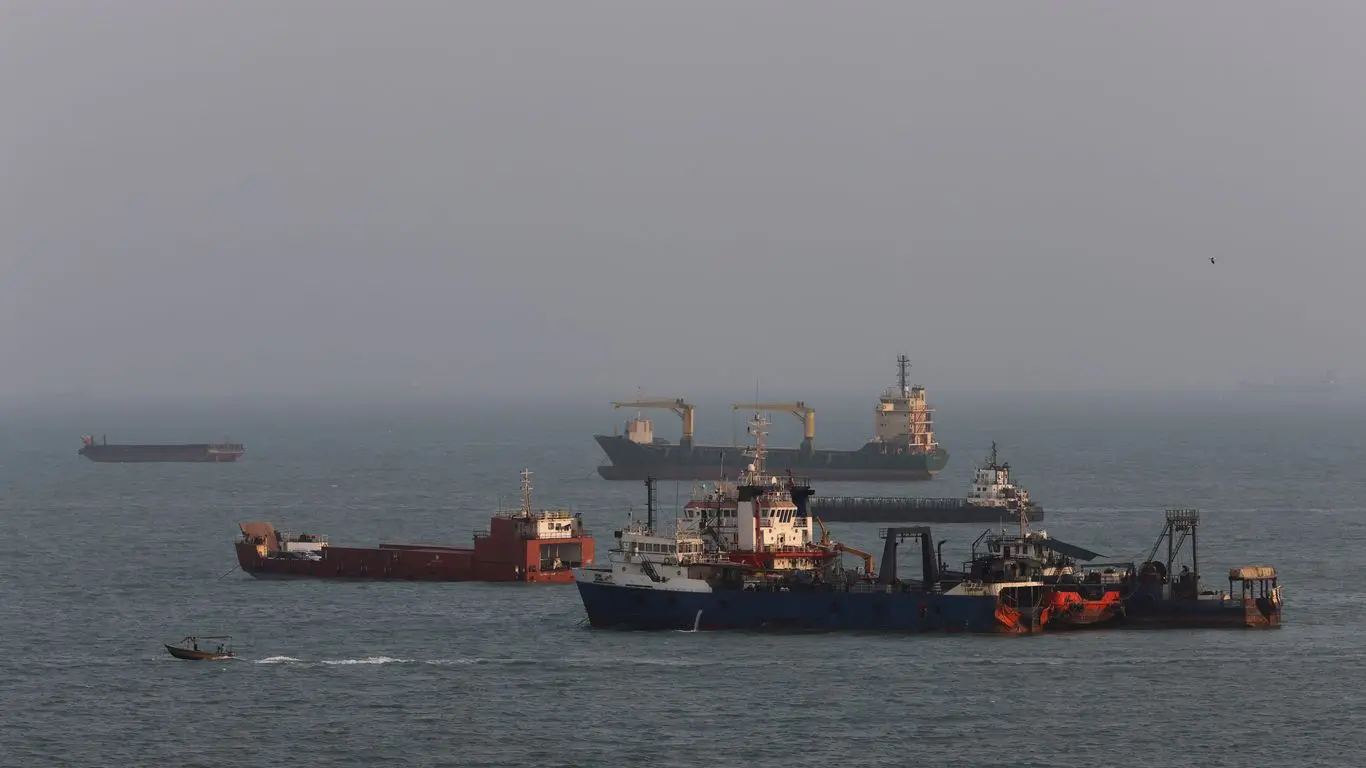
Escalation in the Shadow War at Sea
American forces destroyed three Iranian oil tankers on Saturday in response to a ballistic missile strike by Iran against two U. S. Navy warships in the Gulf. The action marks the latest escalation in a six-month cycle of retaliatory strikes between the two nations, with both sides exchanging blows over maritime and military targets. U. S. Central Command confirmed the strikes, stating they were conducted to deter further aggression and protect vital shipping lanes. A senior defense official said the operation followed a newly approved tanker-for-tankerpolicy authorized by President Trump, signaling a shift toward proportional naval retaliation.
Breaking news
 Deadly Glacier and Rock Collapse in Nepal Linked to Climate Warming
 US Congress Passes Sweeping Sanctions Against Russia
 Speaker Johnson Ends House Session Early to Halt Impeachment Effort
 The High-Stakes Fight for Senate Majority Control
The missile attack by Iran targeted U. S. warships operating in international waters, though no casualties were reported. In response, U. S. forces located and struck the three tankers, which were identified as part of Iran’s maritime logistics network supporting its military operations. The strikes were carried out using precision-guided munitions from aircraft and naval platforms. Analysts note that while the tankers were not carrying crude at the time, their destruction disrupts Iran’s ability to sustain naval deployments and project power in the region. The tit-for-tat dynamic has intensified since the beginning of the year, with each side avoiding direct large-scale conflict but maintaining pressure through limited, calibrated strikes.
How Does This Affect Global Oil Markets?
Despite the strikes targeting Iranian vessels, immediate impacts on global oil prices were minimal, as the tankers were not actively exporting crude at the moment of attack. However, the incident has raised concerns among shipping companies about the safety of transiting the Gulf, potentially leading to higher insurance premiums and rerouting of cargo vessels. Energy analysts warn that repeated attacks on maritime infrastructure could erode confidence in regional stability, though OPEC+ spare capacity continues to buffer supply shocks. The U. S. has emphasized that its actions are defensive and aimed at preserving freedom of navigation, not at disrupting global energy trade.
Why did the U. S. target oil tankers instead of military sites? The U. S. responded in kind to Iran’s use of maritime assets, following a declared policy of matching tanker losses with tanker strikes to avoid escalating to attacks on military or civilian infrastructure on land.
Frequently Asked Questions
Could this lead to a broader confrontation? Both sides have so far avoided actions that would trigger a full-scale war, opting instead for limited, symbolic strikes. However, miscalculation remains a risk if communications break down or if future attacks result in casualties.
What is the status of the U. S. warships involved? The two U. S. Navy warships struck by Iranian missiles sustained no damage and remained operational, according to Central Command, which said their defensive systems performed as expected during the incident.