How Are Civilians Coping With Daily Life?
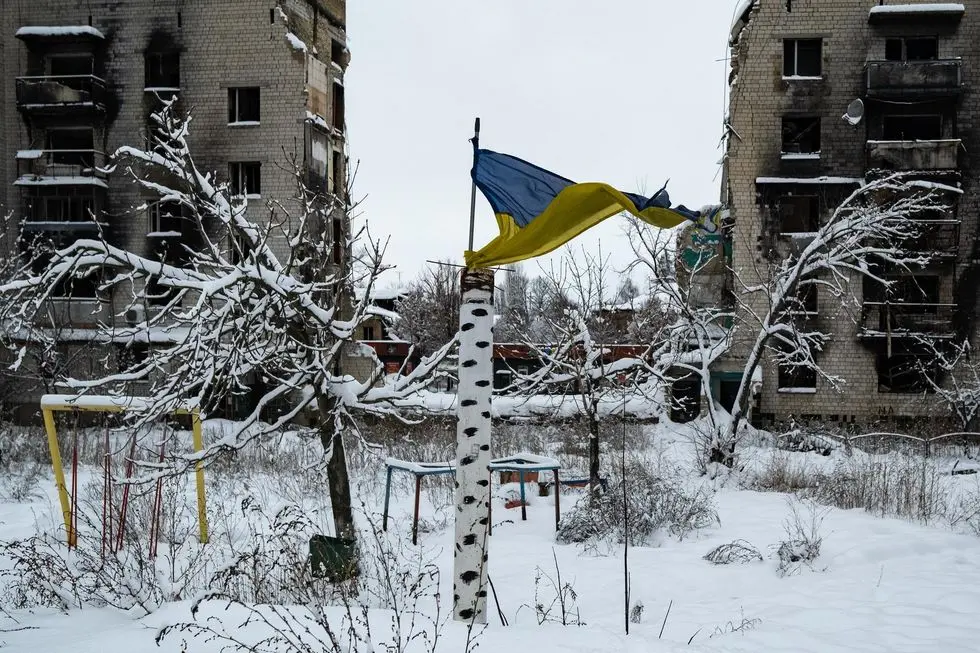
February 2027 brings an unusually severe winter to Ukraine, compounding the strain on a nation already under relentless pressure. Russian missile and drone attacks have grown more frequent and destructive, targeting power stations, rail lines, and communication hubs across the country. With air defenses overwhelmed, civilians endure freezing temperatures amid widespread blackouts and disrupted supply chains. The situation marks a grim milestone in the ongoing conflict, testing Ukraine’s resilience like never before.
Breaking news
 Montenegro, Albania Seek NATO Help to Counter Russian Disinformation
 Ronna McDaniel Weighs In on GOP's Path Forward
 Market Sentiment Shifts as S&P 500 Snaps Three-Day Losing Streak
 Voters Demand Stronger Congressional Oversight of Presidential Power
The cold snap has gripped cities from Kyiv to Kharkiv, with temperatures dropping well below freezing for extended periods. Energy plants, already weakened by prior strikes, struggle to maintain output as demand surges. Russian forces have shifted tactics, using salvoes of ballistic and cruise missiles alongside Iranian-made drones to overwhelm interception systems. Repair crews work in dangerous conditions, often restoring power only to see grids hit again within hours. Humanitarian groups warn of rising risks to hospitals, schools, and elderly populations lacking heat or clean water.
Can Ukraine Sustain Its Defense Amid Repeated Infrastructure Losses?
Many Ukrainians have adapted to life without reliable electricity, relying on wood stoves, generators, and community heating centers. In Lviv, volunteers distribute warm meals and blankets to families in apartment buildings where elevators and water pumps have failed. Schoolchildren attend classes in shifts, using battery-powered lamps when daylight fades. Despite the hardship, morale remains surprisingly strong in many areas, with local leaders emphasizing unity and self-reliance as essential to survival. International aid continues to flow, though delivery delays due to damaged roads and railways complicate relief efforts.
Military analysts note that while frontline troops still receive supplies through alternate routes, the cumulative damage to logistics networks is taking a toll. Fuel shortages and delayed munitions shipments have been reported in several eastern sectors. Ukrainian officials admit that rebuilding damaged infrastructure faster than it is destroyed is currently impossible without a significant upgrade in air defense capabilities. They continue to appeal to Western partners for advanced missile interceptors and electronic warfare systems to blunt the effectiveness of Russian barrages.
Why is the winter of 2027 particularly dangerous for Ukraine? The combination of extreme cold and intensified Russian attacks on energy and transport systems has created a humanitarian crisis, leaving millions without heat, power, or reliable access to food and water during freezing conditions.
Frequently Asked Questions
What is being done to repair damaged infrastructure? Emergency repair teams work around the clock in shifts, often under the threat of renewed strikes, but progress is slow due to repeated attacks and limited access to spare parts and fuel.
Is there a risk of wider escalation if attacks continue? While both sides remain entrenched, prolonged targeting of civilian infrastructure raises concerns about violations of international law and could prompt stronger international responses, though direct NATO involvement remains unlikely without a clear threshold breach.
