Crippled Refining Capabilities
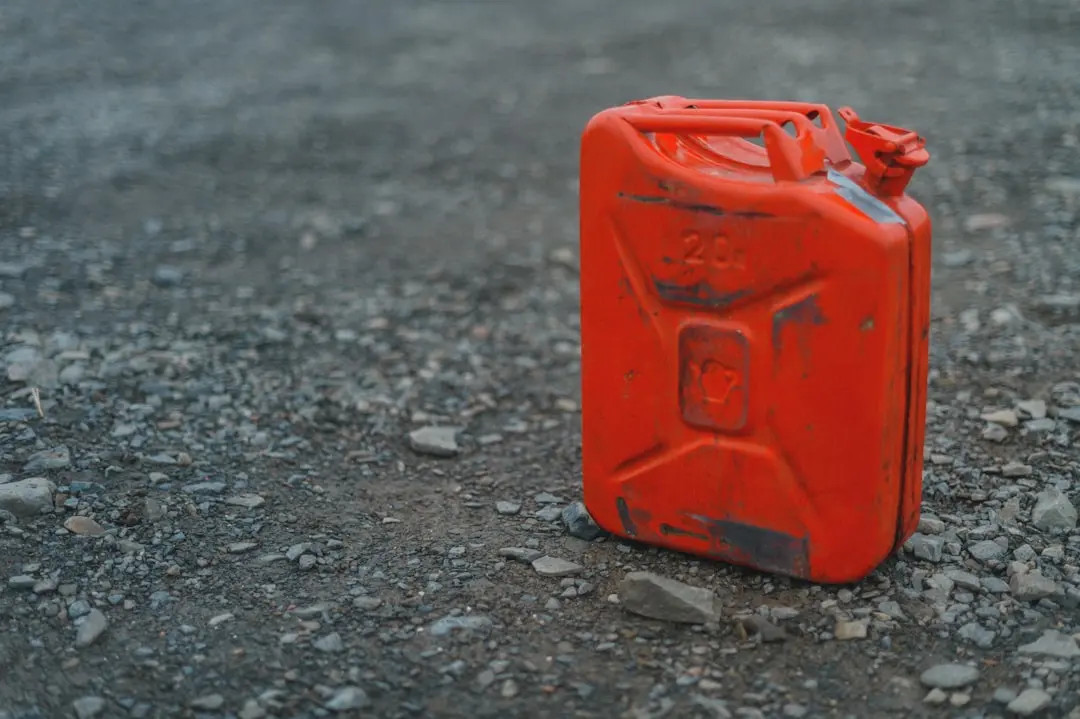
Ukrainian drone strikes targeting critical energy infrastructure have triggered a deepening fuel crisis across Russia. Long queues have formed at gas stations as supply shortages hit major regions. Once a dominant global leader in oil production, the nation now struggles to maintain domestic refining capacity while maintaining its war effort.
Breaking news
 Deadly Glacier and Rock Collapse in Nepal Linked to Climate Warming
 US Congress Passes Sweeping Sanctions Against Russia
 Speaker Johnson Ends House Session Early to Halt Impeachment Effort
 The High-Stakes Fight for Senate Majority Control
The systematic targeting of oil refineries has severely hampered Russia’s ability to process crude oil into gasoline and diesel. These facilities are difficult to repair quickly due to international sanctions limiting access to specialized Western technology and components. Consequently, fuel availability has plummeted, forcing local authorities to scramble for alternative supply chains.
The strategic shift in drone warfare has fundamentally altered the domestic energy landscape. By focusing on processing hubs rather than just storage sites, Kyiv has successfully disrupted the internal distribution network. Industry experts note that the loss of refining throughput creates a ripple effect that impacts everything from agricultural logistics to civilian transportation.
Can Russia Overcome Its Energy Bottleneck?
Repairing these complex industrial plants requires months of labor and high-end equipment that is currently unavailable. As domestic production drops, the Kremlin faces the difficult choice of prioritizing fuel for military operations over the needs of the general population. This tension is beginning to manifest in regional price hikes and localized rationing.
The government is now desperately seeking to import fuel from neighboring allies to stabilize the market. However, these efforts have proven insufficient to meet the massive demand of a country spanning eleven time zones. Without a swift recovery of its industrial infrastructure, the energy sector remains highly vulnerable to further disruption.
Frequently Asked Questions
The ongoing instability threatens to undermine the internal economic stability that the state relies upon to sustain its current policies. If the current trend of refinery outages continues, Russia may soon face a total breakdown in its retail fuel distribution system. The long-term outlook for the nation’s energy independence remains increasingly precarious.
Why are Russian gas stations running out of fuel? The primary cause is the destruction of domestic refining capacity caused by targeted drone strikes. This has disrupted the supply chain, leaving refineries unable to meet the nation's high demand for processed gasoline and diesel.
Can Russia fix its damaged refineries easily? No, the repairs are complex and require specialized parts. International sanctions currently prevent Russia from importing the necessary high-tech equipment, making a quick return to full production capacity unlikely.