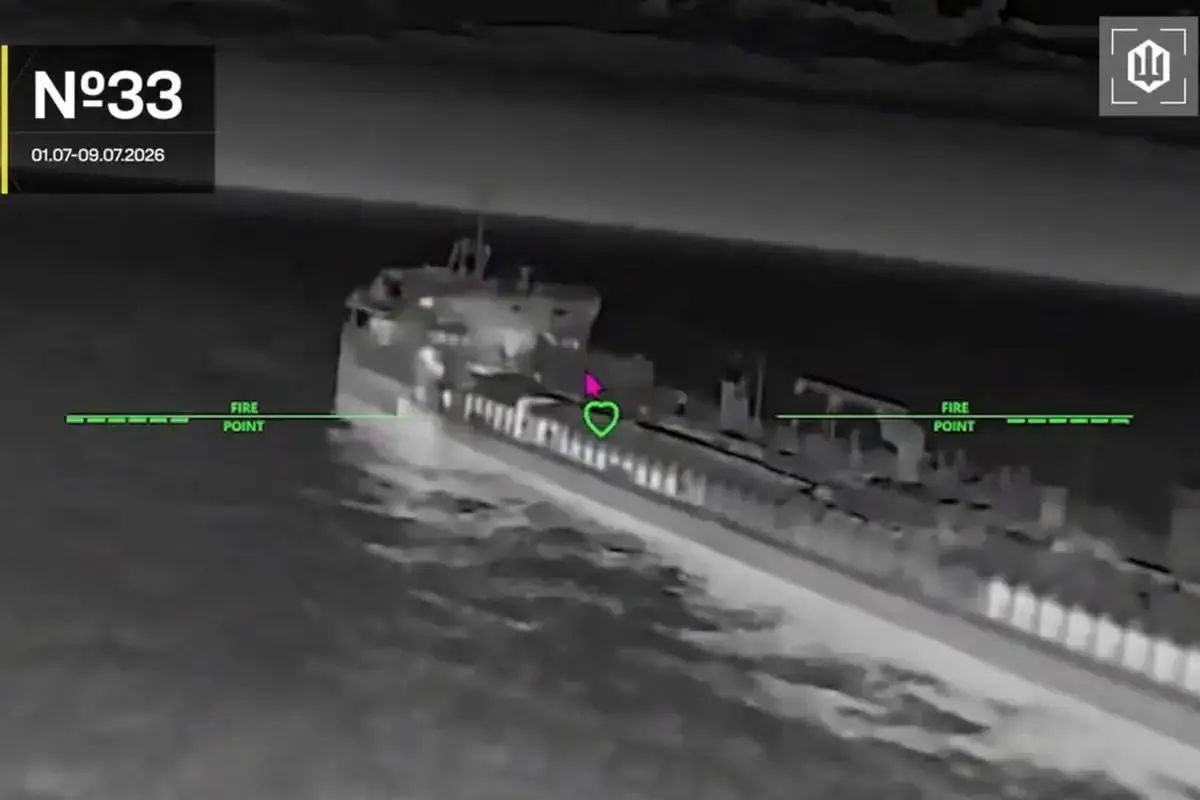
Surge in Black Sea Hostilities
Kyiv’s forces launched a series of drone attacks on Russian naval assets in the Black Sea and Sea of Azov on July 9, 2026. The strikes, confirmed by Ukrainian officials, destroyed 36 Russian ships near the Crimean peninsula, intensifying the ongoing maritime conflict.
Breaking news
 Greenpeace Investigates Zaporizhzhia Nuclear Plant Power Lines
 Researcher warns strict age limits needed for children on social media
 Hezbollah defends its arsenal amid Lebanese political deadlock
 Can an AI Chatbot Reduce Maternal Deaths in Kenya?
The assaults were carried out by unmanned aerial vehicles equipped with explosives, targeting supply vessels, patrol boats, and small warships. Ukraine aims to cripple Russia’s logistical chain as Moscow grapples with a deepening fuel crisis that has limited naval patrols and ground operations. Analysts say the timing reflects Kyiv’s strategy to exploit Russian vulnerabilities and to pressure the Kremlin ahead of upcoming diplomatic talks.
Since the war began, the Black Sea has become a focal point for both sides. Ukrainian drones have increased in number and sophistication, allowing strikes deep within Russian‑controlled waters. The recent operation reportedly hit a fuel tanker, a cargo ship, and several patrol craft docked at Sevastopol. Ukrainian officials claim the attacks disrupted the flow of oil and ammunition to Russian forces in Crimea. Russian state media acknowledged damage but downplayed the impact, suggesting only minor repairs were needed. Independent observers, however, noted that the loss of 36 vessels represents a significant reduction in Russia’s regional maritime capacity.
Can Russia’s Fuel Crisis Undermine Its Naval Operations?
Russia’s domestic fuel shortage, driven by sanctions and supply chain disruptions, has forced the navy to ration diesel for its ships. Experts warn that the depletion of fuel reserves could limit Russia’s ability to sustain a naval presence in the Black Sea and protect its coastline. The recent drone strikes exacerbate this strain by removing vessels that could otherwise be used to transport fuel. Military officials in Moscow have hinted at reallocating resources from the navy to ground forces, but the effectiveness of such a shift remains uncertain. If the fuel crunch persists, Russia may struggle to enforce blockades and support its troops in occupied territories.
The destruction of 36 ships marks a sharp escalation in Ukraine’s offensive tactics. It underscores Kyiv’s intent to leverage asymmetric warfare to offset conventional disadvantages. The attacks may compel Russia to reconsider its naval deployment and accelerate efforts to secure alternative fuel sources. International observers will watch closely for any shifts in Russian strategy as the fuel crisis deepens.
Frequently Asked Questions
How many Russian vessels were destroyed in the latest Ukrainian drone attacks? Ukrainian officials report that 36 ships, including fuel tankers and patrol boats, were destroyed near Crimea during the July 9 operation.
What is driving Russia’s current fuel shortage? Sanctions, disrupted supply lines, and reduced domestic production have limited Russia’s access to diesel and gasoline, affecting both civilian and military sectors.
Could the loss of these ships affect Russia’s ability to supply its forces in Crimea? Yes, the reduction in transport and patrol vessels hampers the delivery of fuel and ammunition, potentially weakening Russian defensive and offensive capabilities in the region.