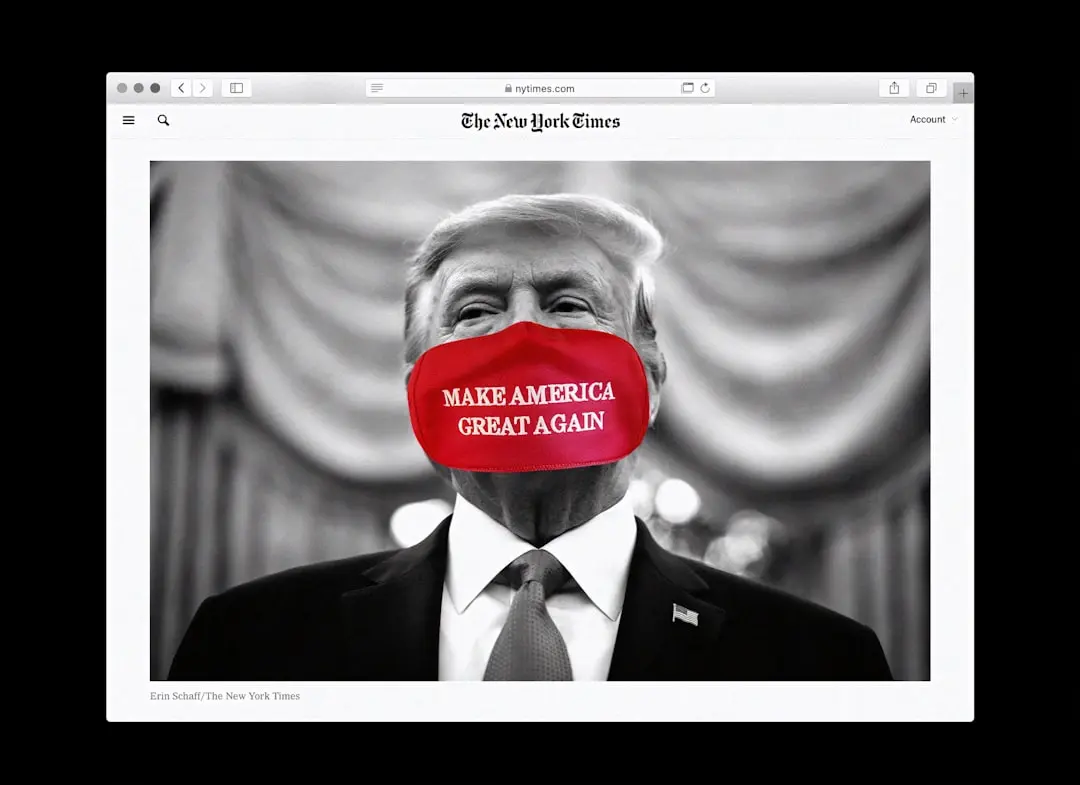
Why Trump Targets Coverage of Iran's Military Readiness
Former US President Donald Trump launched another attack on critical news outlets, calling them treasonous scumin response to coverage of Iran's dwindling war munitions supplies. His remarks came via social media, targeting journalists who reported on expert assessments highlighting concerning shortages in Iran's military stockpiles. The comments reflect an ongoing pattern of Trump dismissing unfavorable reporting as biased or false, particularly when it involves national security assessments of adversarial nations. This latest outburst underscores the deepening rift between the former president and segments of the press he views as antagonistic to his political narrative.
Breaking news
 Deadly Glacier and Rock Collapse in Nepal Linked to Climate Warming
 US Congress Passes Sweeping Sanctions Against Russia
 Speaker Johnson Ends House Session Early to Halt Impeachment Effort
 The High-Stakes Fight for Senate Majority Control
The specific reports Trump denounced originated from analysts and defense observers who noted Iran's apparent decline in available artillery shells, missiles, and other combat consumables. These evaluations, shared through various news platforms, suggested that prolonged sanctions and internal production challenges may be eroding Iran's capacity to sustain high-intensity warfare. Trump framed such coverage as deliberately misleading, accusing the media of amplifying negative narratives about Iran to undermine perceived strategic advantages or to serve partisan ends. His rhetoric echoed previous accusations where he labeled critical journalism as fake newsor enemy of the people,reinforcing a longstanding strategy of discrediting sources that challenge his assertions.
How Do Experts View Iran's Actual Munitions Situation?
Trump's reaction appears tied to his broader foreign policy stance during his presidency, which emphasized maximum pressure on Iran through sanctions and diplomatic isolation. Reports indicating Iran's weakened munitions situation could be interpreted as validating that approach, yet Trump's anger suggests he perceives the coverage as undermining his legacy or implying current vulnerabilities require ongoing vigilance he no longer oversees. Critics argue his response reveals discomfort with any analysis that might suggest Iran remains a credible threat, complicating narratives he prefers about American strength and adversary weakness. The timing of his comments also coincides with renewed regional tensions, including proxy conflicts involving Iranian-backed groups, where accurate assessments of Iranian capabilities are crucial for policymakers and allies.
Independent defense analysts acknowledge that while Iran faces constraints due to sanctions affecting imports of raw materials and precision components, its indigenous arms industry has shown resilience in producing certain munitions, particularly rockets and artillery rounds. However, consensus exists that sustained high-expenditure warfare would strain these capabilities over time, especially for advanced systems requiring foreign-sourced parts. Some experts caution against overstating Iran's weakness, noting its ability to adapt and prioritize key weapons systems despite economic pressures. The debate centers not on whether Iran can produce munitions, but at what scale and for how long it could maintain intense combat operations without external resupply—a nuance often lost in politicized discourse.
What specific munitions shortages were reported regarding Iran? Reports indicated declining stocks of artillery shells, short-range missiles, and certain precision-guided munitions, attributed to sanctions limiting access to critical manufacturing inputs and dual-use technologies.
Frequently Asked Questions
Does Trump still hold official authority to comment on national security matters? As a former president, Trump retains no governmental authority but maintains significant influence within the Republican Party and frequently issues public statements on foreign and defense policy issues.
How has Iran responded to claims about its munitions shortages? Iranian officials have consistently denied significant shortages, asserting self-sufficiency in defense production and occasionally showcasing new weapons systems to demonstrate ongoing military industrial capacity.