Could US Involvement Change the Dynamic?
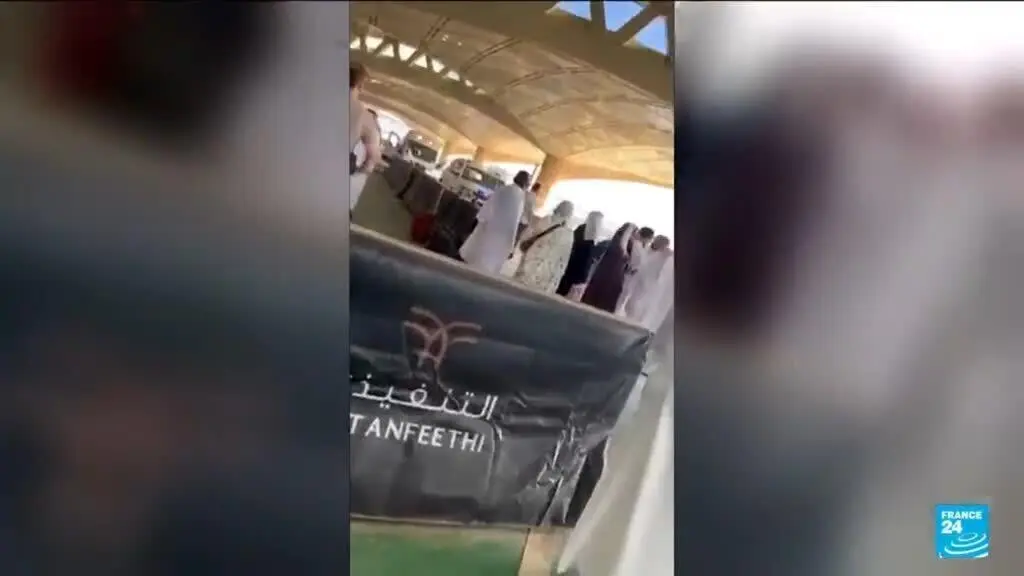
The Houthi rebel group launched a missile attack targeting Riyadh's King Khalid International Airport, prompting immediate condemnation from the United Nations and multiple world leaders. The strike, which occurred on Saturday, caused no casualties but damaged infrastructure at the facility. Saudi authorities confirmed the interception of the projectile by their air defense systems, marking another escalation in the regional conflict involving Yemen-based forces.
Breaking news
 Ronna McDaniel Weighs In on GOP's Path Forward
 Market Sentiment Shifts as S&P 500 Snaps Three-Day Losing Streak
 Voters Demand Stronger Congressional Oversight of Presidential Power
 Pelosi Looks Back, Sees Democratic Triumph Ahead
The attack underscores the growing reach of Houthi capabilities, as they continue to target Saudi Arabian sites despite ongoing peace efforts. Former US President Donald Trump commented on the incident, suggesting that American forces might participate in future countermeasures if such aggression persists. His remarks signal a potential shift in US policy toward more direct involvement in securing Gulf infrastructure against missile threats from Yemen.
Recent intelligence indicates the Houthi movement has acquired advanced missile technology, likely through external support, enabling longer-range strikes deep into Saudi territory. Analysts note that while previous attacks focused on border regions, this airport assault demonstrates improved precision and range. The group has repeatedly claimed responsibility for similar operations, framing them as retaliation for Saudi-led coalition actions in Yemen. Defense experts warn that without effective counter-drone and missile defense systems, such incidents may become more frequent.
Trump’s suggestion of possible US participation raises questions about the extent of American commitment to regional security. While current US involvement focuses on intelligence sharing and logistical support, direct military action would represent a significant escalation. Saudi officials have welcomed stronger international backing, emphasizing the need to protect civilian aviation and critical facilities. However, analysts caution that any US role must align with broader diplomatic efforts to avoid further destabilizing an already fragile ceasefire environment in Yemen.
Frequently Asked Questions
What damage did the Riyadh airport strike cause? The missile strike resulted in no injuries or fatalities but caused minor structural damage to airport infrastructure, which was quickly contained by emergency response teams.
Why did Trump mention potential US action? Trump indicated that repeated Houthi attacks on Saudi targets might justify greater US involvement in defensive operations to safeguard allied interests in the Gulf region.
How are Saudi defenses responding to such threats? Saudi Arabia has intensified its use of Patriot missile systems and enhanced radar coverage to intercept incoming projectiles, though experts note challenges in countering low-flying, unpredictable threats.