Shift in U. S.–Turkey Relations
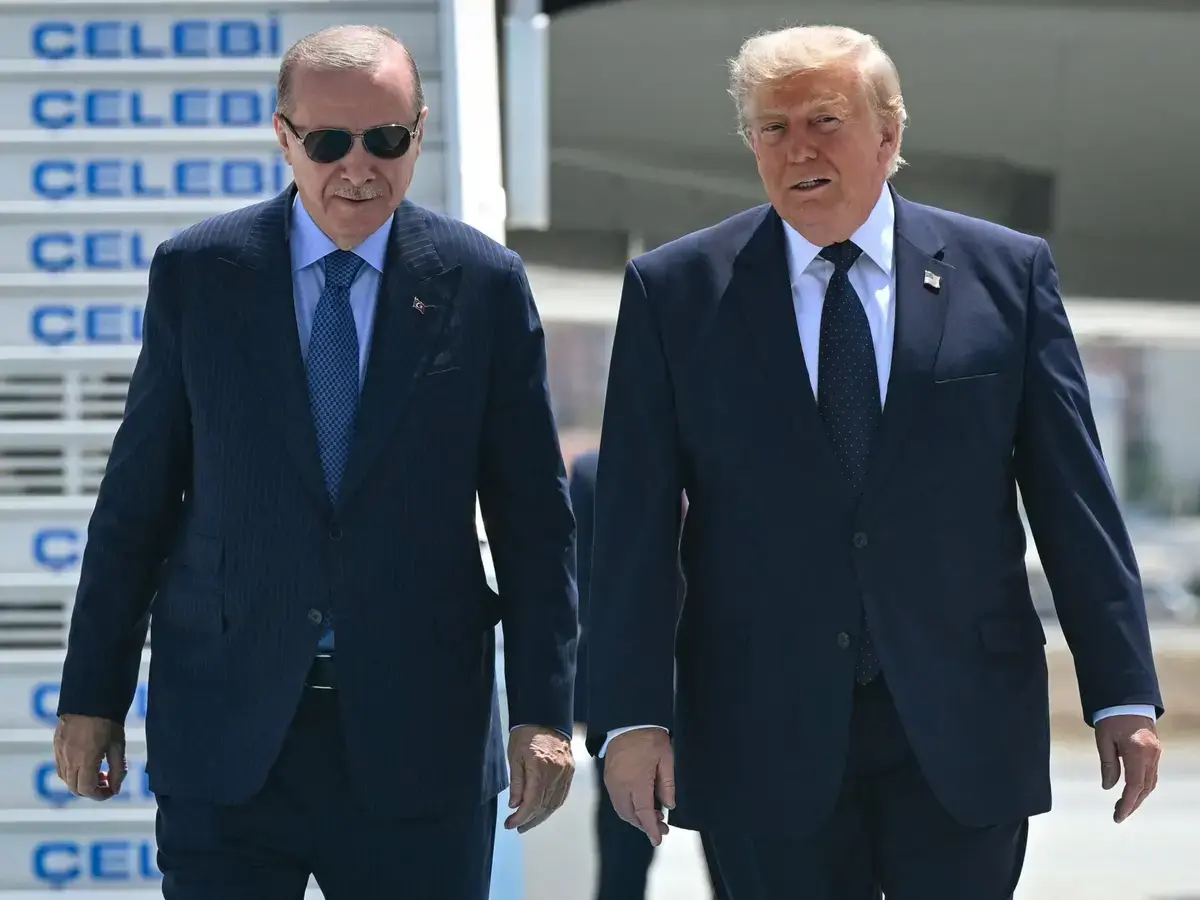
Washington announced on Thursday that President Donald Trump intends to lift the United States’ sanctions on Turkey and is weighing a sale of F‑35 fighter jets. The declaration came during a high‑level meeting in Ankara, where Trump met Turkish President Recep Tayyip Erdoğan and senior officials. The move marks a dramatic shift in policy after years of tension over arms purchases and human‑rights concerns.
Breaking news
 Greenpeace Investigates Zaporizhzhia Nuclear Plant Power Lines
 Researcher warns strict age limits needed for children on social media
 Hezbollah defends its arsenal amid Lebanese political deadlock
 Can an AI Chatbot Reduce Maternal Deaths in Kenya?
Trump said the sanctions, imposed after Turkey bought Russian S‑400 missile systems, „no longer serve America’s interests.” He added that the United States could consider transferring the advanced F‑35 aircraft to Ankara, a proposal that Israel has publicly opposed. The president framed the decision as a step toward „stronger, mutually beneficial ties” with a key NATO ally. Critics argue the gesture rewards Turkey’s defiance of U. S. export controls and may undermine collective security.
The proposed sanctions relief follows a series of disputes that began in 2019 when Turkey acquired the Russian S‑400 system. Washington responded by blocking Turkey’s participation in the F‑35 program and imposing restrictions on defense contracts. Over the past two years, Ankara has sought to diversify its military suppliers, prompting Washington to reassess its leverage.
Trump’s administration argues that the sanctions have achieved little, citing limited impact on Turkey’s procurement choices. He claims that a renewed partnership could enhance NATO cohesion and counterbalance Russian influence in the region. The president also highlighted Turkey’s role in the fight against ISIS and its strategic position bordering the Middle East.
Will Israel Block the Deal?
Supporters of the policy shift say the United States risks alienating a crucial ally if it continues to punish Turkey for actions taken under its own security doctrine. They point to the growing need for cooperation on migration, energy, and regional stability. Opponents warn that selling F‑35 jets to a country that already operates Russian equipment could compromise the aircraft’s security and expose sensitive technology.
Israel’s defense ministry has warned that a Turkish F‑35 purchase would jeopardize its own security interests. Israeli officials argue that the presence of Russian S‑400 radars could allow Moscow to track the stealth aircraft, potentially leaking classified data. The Israeli government has historically lobbied Washington to keep Turkey out of the F‑35 program.
Washington, however, maintains that it can impose strict safeguards to prevent data leakage. U. S. officials suggest that any sale would be accompanied by rigorous monitoring and limited operational use. The administration hopes that diplomatic channels can reconcile the competing concerns of its two closest allies. If Israel’s objections are not addressed, the deal could stall, prompting Turkey to look elsewhere for advanced fighters.
Frequently Asked Questions
The outcome of this policy pivot will shape NATO dynamics for years to come. A lifted sanction regime could restore Turkey’s access to U. S. defense markets, but it may also strain relations with Israel and other regional partners. The coming weeks will reveal whether Washington can balance these competing priorities without compromising its own strategic objectives.
What sanctions are being lifted? The United States plans to remove export restrictions placed on Turkey after its purchase of the Russian S‑400 air‑defense system, allowing broader defense trade.
Why is the F‑35 sale controversial? Israel fears that Turkey’s existing Russian radar network could detect and record the stealth jet’s capabilities, risking classified technology leakage.
How might this affect NATO? If Turkey re‑joins U. S. defense programs, NATO cohesion could improve, but unresolved disputes with Israel may create new friction within the alliance.