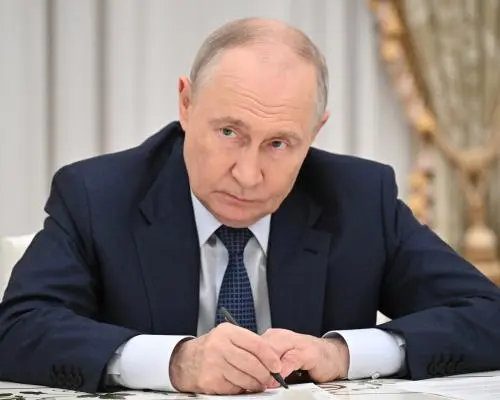
Military Buildup Signals Sustained Combat Commitment
Russian President Vladimir Putin signed a decree Monday raising the army's active personnel to 1.55 million, marking another significant boost to military manpower as the conflict in Ukraine enters its fifth year with intensifying losses on both sides.
Breaking news
 Ronna McDaniel Weighs In on GOP's Path Forward
 Market Sentiment Shifts as S&P 500 Snaps Three-Day Losing Streak
 Voters Demand Stronger Congressional Oversight of Presidential Power
 Pelosi Looks Back, Sees Democratic Triumph Ahead
The decree, announced by the Kremlin, follows a pattern of incremental increases in Russian military staffing since the full-scale invasion began in February 2022. Defense analysts suggest the move reflects Moscow's struggle to maintain offensive momentum against Ukrainian forces, particularly after suffering heavy casualties in recent months across the eastern front.
The expansion comes as battlefield reports indicate mounting pressure on both armies. Ukrainian military officials have repeatedly warned of dwindling ammunition supplies and stretched troop reserves, while Russian forces have faced logistical challenges and high attrition rates, especially in Donetsk and Luhansk regions. The decision to enlarge the armed forces may also be aimed at preparing for potential mobilization waves or reinforcing defensive positions ahead of winter conditions.
Can Ukraine Match Russia’s Growing Military Capacity?
President Volodymyr Zelenskyy, speaking from Kyiv on Sunday, emphasized Ukraine's need for continued Western military aid, stating that „every day counts” in securing sufficient weapons and training. His remarks align with growing concerns among European allies about sustaining long-term support for Ukraine amid competing global priorities.
The disparity in available manpower poses a critical challenge for Kyiv, which has relied heavily on volunteer recruitment and foreign assistance. While NATO countries have pledged billions in military aid, delays in delivery have left Ukrainian units under-equipped in key sectors. Meanwhile, Russia’s ability to absorb losses and replenish ranks through conscription and private military companies like the Wagner Group remains a strategic advantage.
Military experts warn that without a decisive shift in either battlefield dynamics or diplomatic negotiations, the war could drag into 2025 with no clear resolution in sight.
Frequently Asked Questions
What triggered Putin’s latest military expansion order? Putin’s decree follows sustained Russian losses and difficulties in maintaining troop levels during ongoing operations in eastern Ukraine.
How does the increase affect the overall troop count? The active-duty force will grow from approximately 1 million to 1.55 million personnel.
Will this impact peace talks or negotiations? Analysts believe the expansion indicates Russia’s intent to continue fighting rather than pursue immediate negotiations.