Why the U. S. Targeted Iranian Oil Shipments Now
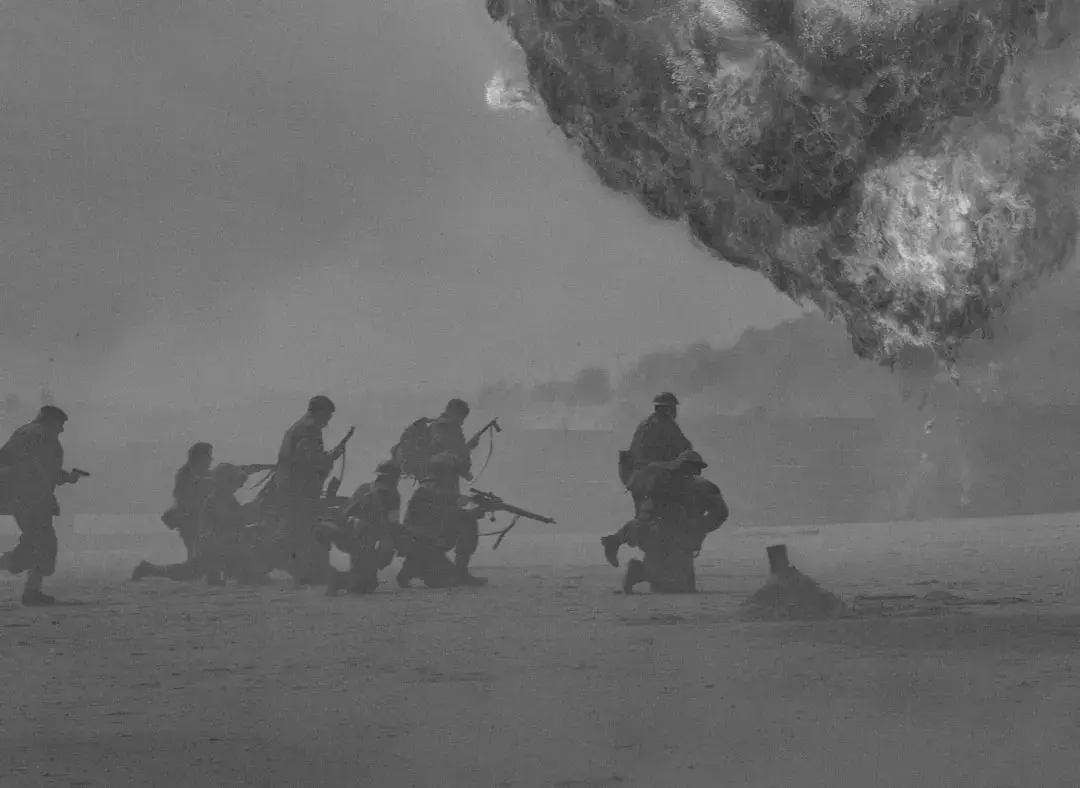
American forces destroyed five Iranian oil tankers in the Persian Gulf on Tuesday, according to a statement from U. S. Central Command. The operation took place near the Strait of Hormuz, a critical maritime chokepoint for global oil shipments. The Pentagon said the vessels were attempting to smuggle fuel in violation of international sanctions targeting Iran’s petroleum exports. No casualties were reported during the engagement, which involved precision strikes by U. S. naval aircraft. The incident marks one of the most direct confrontations between U. S. and Iranian forces in recent months, heightening fears of broader regional instability. Analysts warn the action could provoke retaliatory measures from Tehran, particularly against commercial shipping in the area.
Breaking news
 Deadly Glacier and Rock Collapse in Nepal Linked to Climate Warming
 US Congress Passes Sweeping Sanctions Against Russia
 Speaker Johnson Ends House Session Early to Halt Impeachment Effort
 The High-Stakes Fight for Senate Majority Control
The destruction of the tankers follows a series of Iranian attempts to bypass U. S.-led sanctions through covert maritime transfers. Intelligence indicated the vessels were part of a network moving Iranian crude to Syrian and Venezuelan buyers using false flags and ship-to-ship transfers. U. S. officials stated the tankers were detected via satellite and maritime patrol aircraft before being intercepted. The strikes were conducted under existing rules of engagement allowing force against vessels deemed to be violating sanctions enforcement protocols. This approach reflects a shift toward more aggressive interdiction tactics aimed at disrupting Iran’s illicit revenue streams. Defense analysts note the operation sends a clear signal about U. S. resolve to enforce maritime security in the Gulf despite diplomatic overtures from some regional actors.
What Are the Risks of Escalating Naval Confrontations?
The incident raises urgent questions about the potential for miscalculation in an already volatile maritime environment. Iran has previously responded to similar actions with threats to close the Strait of Hormuz or deploy fast attack craft against commercial vessels. While Tehran has not issued an official statement on the tanker destruction, state media outlets have condemned the strikes as piracy and vowed a proportional response. Shipping companies have begun rerouting vessels to avoid the immediate area, increasing insurance premiums and delivery times. The U. S. maintains its actions are defensive and necessary to uphold international law, but critics argue such strikes could undermine ongoing indirect negotiations over Iran’s nuclear program. Regional allies have expressed concern that sustained tit-for-tat exchanges could spiral beyond control.
Were any crew members injured during the destruction of the tankers? No, U. S. Central Command confirmed there were no casualties among the tanker crews. The strikes were designed to disable the vessels without causing loss of life, focusing on engine rooms and bridge structures to prevent further movement.
Frequently Asked Questions
How does this action affect global oil markets? The destruction of five tankers has had a limited immediate impact on oil prices, as the vessels were not carrying active cargo at the time of interception. However, market analysts say repeated disruptions could increase risk premiums on Gulf shipping routes, potentially affecting long-term freight costs and supply chain reliability.
Is the U. S. planning more interdiction operations in the region? While no specific future operations were announced, U. S. officials indicated they will continue to monitor and intercept vessels suspected of sanctions violations. The Pentagon emphasized its commitment to maintaining freedom of navigation while enforcing existing sanctions regimes through coordinated maritime patrols.