Rising Energy Costs Drive Currency Weakness
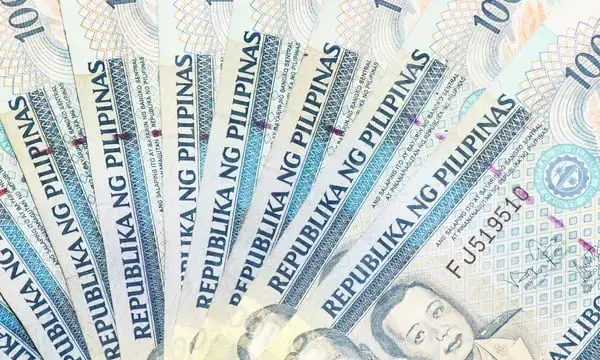
The Philippine peso dropped to an all-time low against the US dollar on August 31, 2026. This sharp decline reflects mounting pressure on the national currency. Regional peers face similar challenges due to global conflicts. The local economy absorbs significant shocks from the ongoing war between the United States and Iran. Energy costs have risen dramatically, straining household budgets. Businesses report higher operational expenses across multiple sectors. The central bank monitors exchange rates closely. Investors remain cautious about future market stability. The currency weakness signals broader economic stress.
Breaking news
 Deadly Glacier and Rock Collapse in Nepal Linked to Climate Warming
 US Congress Passes Sweeping Sanctions Against Russia
 Speaker Johnson Ends House Session Early to Halt Impeachment Effort
 The High-Stakes Fight for Senate Majority Control
The primary driver behind the peso’s slide is the spike in energy prices. Global supply chains react quickly to geopolitical tensions. The conflict disrupts oil flows and increases transport costs. Domestic inflation rates climb as a result. Consumers pay more for electricity and fuel. Industrial production faces margin compression. The government struggles to balance fiscal policy with monetary needs. Import bills swell, draining foreign reserves. Exporters benefit slightly from cheaper goods abroad. However, net effects remain negative for the average citizen.
How Will Policymakers Stabilize the Market?
Officials are evaluating options to support the local currency. Interest rate adjustments may follow if inflation persists. Central banks often intervene directly in forex markets. They buy pesos to boost confidence among traders. Fiscal stimulus packages might target vulnerable industries. Subsidies for energy could ease immediate pain points. Analysts watch for signs of coordinated regional action. Neighboring nations coordinate to manage shared vulnerabilities. The Philippines must navigate these complex dynamics alone. Its smaller economy lacks the buffer of larger neighbors. Policy responses require swift execution to prevent panic.
Why did the peso fall to a record low? The currency declined because energy prices surged during the US-Iran war. Higher import costs weakened the trade balance significantly.
Frequently Asked Questions
When did this decline occur? The record low was reached on August 31, 2026. This date marks the latest point in the ongoing economic shock.
How does the war affect local businesses? Companies face higher input costs for power and logistics. Profit margins shrink as they pass on expenses to customers.