Oil Price Shockwaves
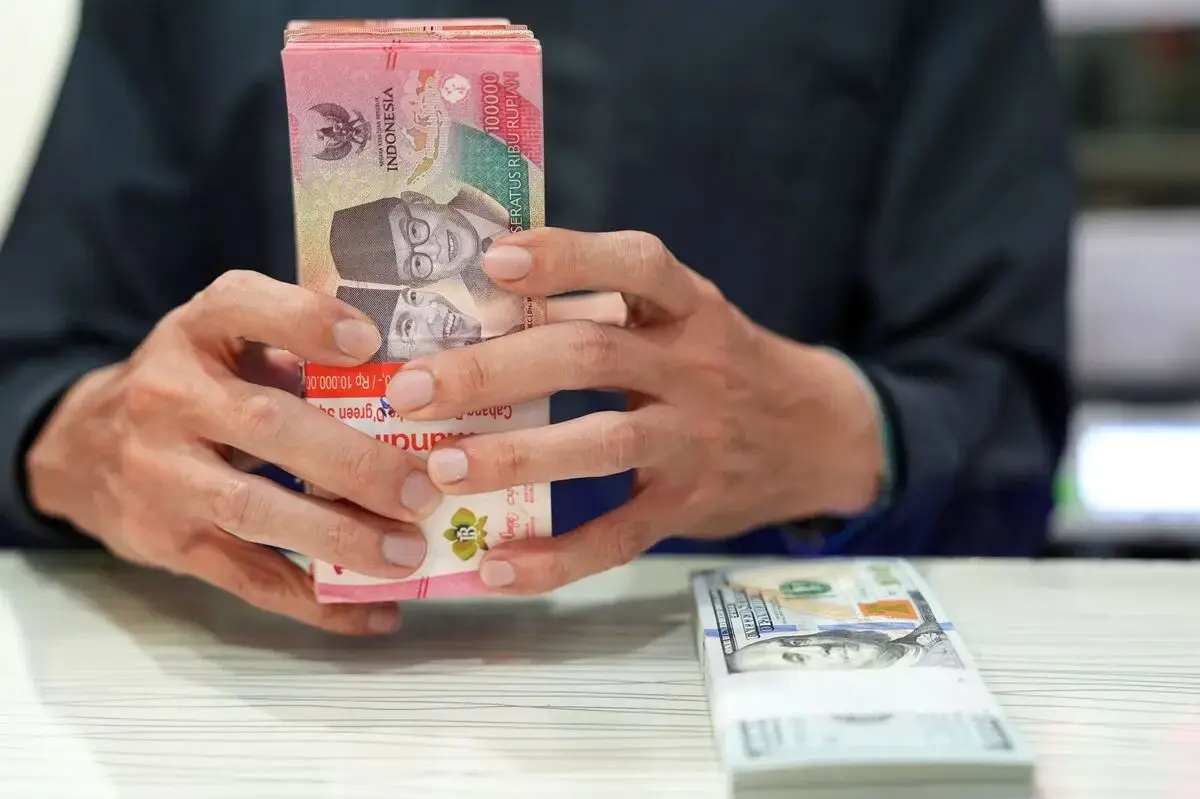
Indonesia's rupiah currency and stock market are under pressure as global oil prices continue to rise. The rupiah fell to a record low against the US dollar. This downturn comes as investors react to the increasing cost of oil.
Breaking news
 Greenpeace Investigates Zaporizhzhia Nuclear Plant Power Lines
 Researcher warns strict age limits needed for children on social media
 Hezbollah defends its arsenal amid Lebanese political deadlock
 Can an AI Chatbot Reduce Maternal Deaths in Kenya?
The rising oil price is largely driving the rupiah's decline and the stock market's slump. Indonesia, being one of the world's largest oil importers, is particularly vulnerable to oil price fluctuations. As oil prices surge, the country's import bill increases, putting pressure on the rupiah.
The Indonesian stock market slid as investors grew cautious due to the rising oil prices. The increasing cost of oil imports is not only affecting the currency but also the overall economy. With Indonesia being a significant oil importer, the higher oil prices are expected to widen the country's current account deficit.
Can Indonesia Weather the Storm?
The government's efforts to manage the economy are being put to the test. As the rupiah continues to weaken, the cost of imports will rise, potentially leading to higher inflation. The central bank may need to intervene to stabilize the currency.
The outlook for the Indonesian economy remains uncertain as the oil price continues to be a major concern. The government's ability to manage the impact of rising oil prices will be crucial in determining the economy's trajectory.
The consequences of a continued decline in the rupiah and stock market could be severe, potentially leading to decreased investor confidence and a slowdown in economic growth.
Frequently Asked Questions
What is causing the decline in the Indonesian rupiah? The rupiah is falling due to rising global oil prices, which is increasing Indonesia's import bill and putting pressure on the currency.
How does the oil price affect Indonesia's economy? As a significant oil importer, Indonesia's economy is vulnerable to oil price fluctuations, which can lead to a wider current account deficit and higher inflation.
What can the government do to stabilize the rupiah? The central bank may need to intervene to stabilize the currency by adjusting monetary policies or using foreign exchange reserves to support the rupiah.