Why Are Gas Prices Reacting So Strongly?
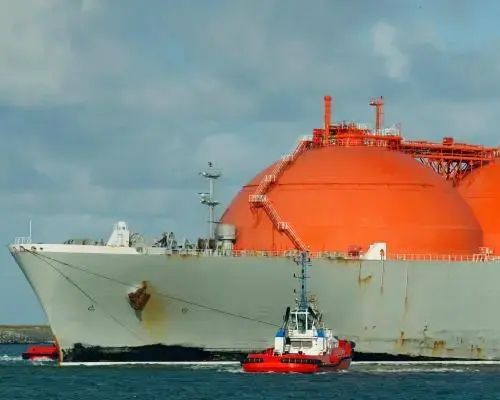
European natural gas prices have reached a four-month peak. This surge follows growing concerns about potential supply disruptions this winter. The escalating conflict in the Middle East is fueling these fears. The Dutch natural gas benchmark briefly topped €60 per megawatt-hour on Monday.
Breaking news
 Deadly Glacier and Rock Collapse in Nepal Linked to Climate Warming
 US Congress Passes Sweeping Sanctions Against Russia
 Speaker Johnson Ends House Session Early to Halt Impeachment Effort
 The High-Stakes Fight for Senate Majority Control
This price point is close to levels observed when the US-Iran conflict first intensified. The recent increase comes after the United States expanded its aerial offensive. Simultaneously, Iran retaliated, further escalating regional tensions.
What is the Impact of the US-Iran Conflict on Energy Markets?
The primary driver is the fear of supply shortages. The Middle East is a critical region for global energy markets. Any instability there can impact oil and gas flows. Traders are anticipating potential disruptions to shipping routes or production. This uncertainty prompts them to bid higher for available gas supplies. The winter season also adds urgency, as demand for heating fuel rises significantly.
# What is the Dutch natural gas benchmark?
The conflict between the US and Iran directly affects oil and gas prices. Even indirect threats to shipping lanes can cause price spikes. Geopolitical instability in the region often leads to higher energy costs globally. This is because a significant portion of the world's oil and gas transits through the Middle East. Any disruption can have a ripple effect on international markets.
# Why are winter supply shortages a concern?
The Dutch natural gas benchmark, also known as TTF, is a key indicator for European wholesale gas prices. It reflects the cost of natural gas traded for delivery in the Netherlands and is widely used across the continent.
Winter typically brings higher demand for natural gas, primarily for heating. If supplies are constrained due to geopolitical events, prices can rise sharply. This can lead to increased energy costs for consumers and businesses.