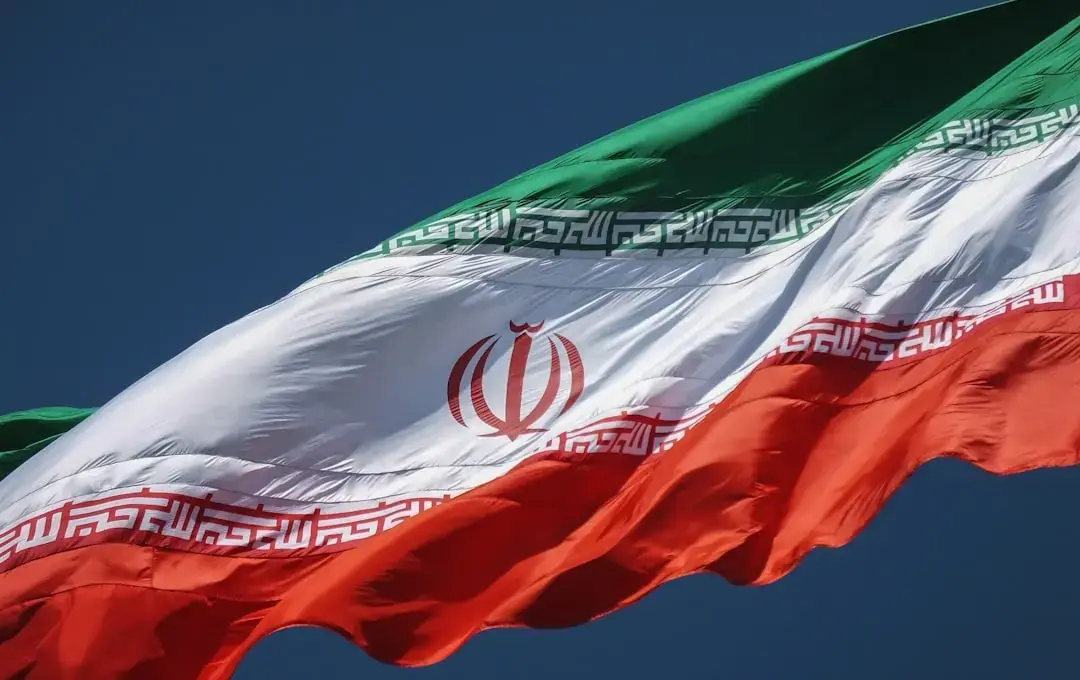
Tehran's Regional Ambitions
In June 2026, US Vice President JD Vance met with Pakistani Prime Minister Shehbaz Sharif and Qatari Prime Minister Sheikh Mohammed bin Abdulrahman al-Thani in Lucerne, Switzerland. This gathering highlighted the ongoing diplomatic efforts in the region. Iran's influence was a key topic of discussion. Tehran's long-term strategy remains under scrutiny.
Breaking news
 Deadly Glacier and Rock Collapse in Nepal Linked to Climate Warming
 US Congress Passes Sweeping Sanctions Against Russia
 Speaker Johnson Ends House Session Early to Halt Impeachment Effort
 The High-Stakes Fight for Senate Majority Control
Despite its efforts, Iran has not achieved a decisive win in the conflict. The country's regional ambitions continue to be a point of contention. Its actions have led to increased tensions with neighboring countries and global powers. The situation remains complex, with multiple factors at play.
Iran's strategy in the region is multifaceted, involving both military and diplomatic efforts. However, its actions have been met with resistance from other countries. The US, in particular, has been actively working to counter Iranian influence. According to James F. Jeffrey, a Philip Solondz Distinguished Fellow, Tehran is still losing the long game.
Can Iran Shift the Balance?
The meetings between world leaders, such as the one in Lucerne, demonstrate the ongoing efforts to address the regional security concerns. Pakistan and Qatar play crucial roles in the region, and their interactions with the US are significant. Iran's relations with these countries are also important, as they can impact the balance of power.
Iran's ability to achieve its goals depends on various factors, including its military capabilities and diplomatic relationships. The country's nuclear program is a major point of contention, with many countries expressing concerns about its potential implications. The international community remains vigilant, and any significant developments will likely have far-reaching consequences.
The current situation suggests that Iran's influence in the region remains limited. The country's long-term strategy has not yielded the desired results, and it continues to face opposition from other nations. As the regional dynamics evolve, Iran's position will likely be shaped by its ability to adapt and respond to changing circumstances.
Frequently Asked Questions
What is Iran's main goal in the region? Iran's primary objective is to expand its influence and secure its interests.
How is the US involved in the region? The US is actively working to counter Iranian influence through diplomatic and military efforts. Its interactions with regional players, such as Pakistan and Qatar, are crucial in this regard.
What are the implications of Iran's nuclear program? The international community is concerned about the potential implications of Iran's nuclear program, which could significantly impact regional and global security.