The Logic of Strategic Patience
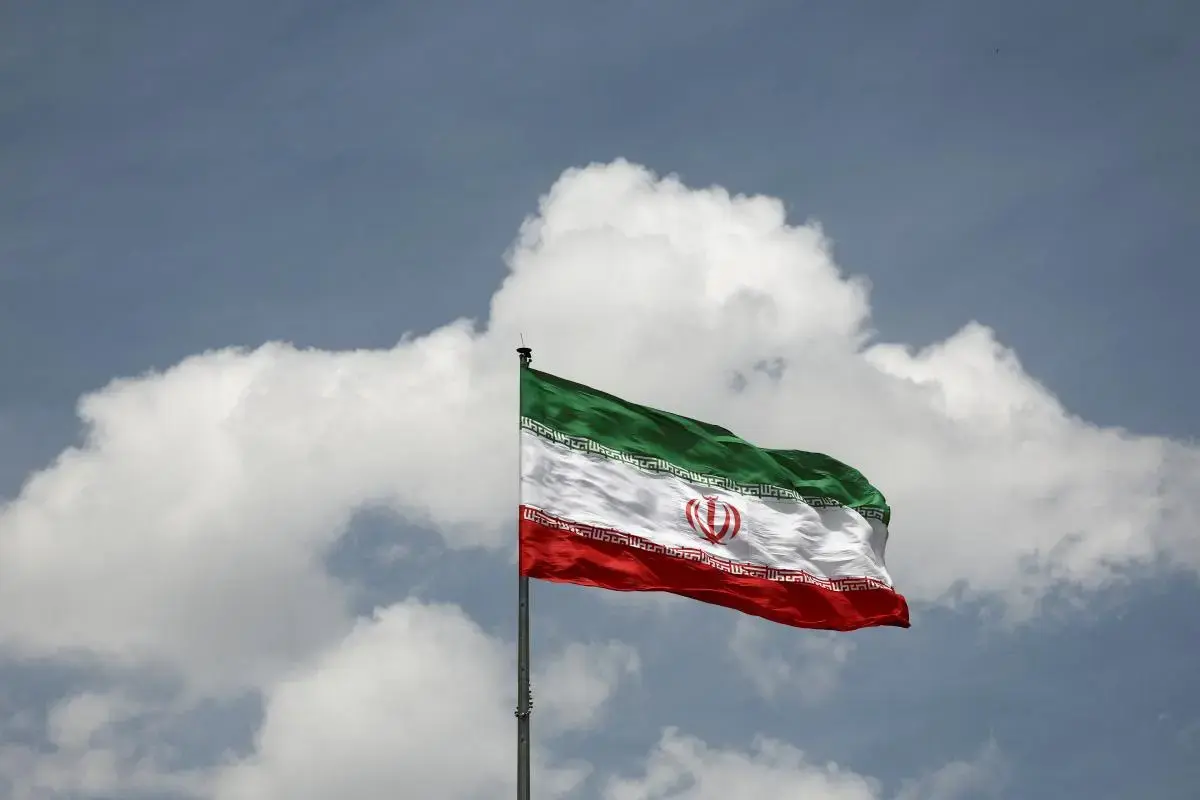
America should end active military engagement with Iran. However, continued economic and diplomatic pressure remains vital. This shift in strategy, proposed in late April 2026, aims to allow internal pressures within Iran to resolve its regional conflicts. Richard Nephew, a Columbia University scholar, advocates for this approach.
Breaking news
 Deadly Glacier and Rock Collapse in Nepal Linked to Climate Warming
 US Congress Passes Sweeping Sanctions Against Russia
 Speaker Johnson Ends House Session Early to Halt Impeachment Effort
 The High-Stakes Fight for Senate Majority Control
For decades, the United States has been deeply involved in containing Iran’s influence. This has involved military interventions, economic sanctions, and complex diplomatic negotiations. Despite these efforts, Iran continues to be a destabilizing force in the Middle East. Nephew argues that direct confrontation has proven ineffective and costly. A new strategy is needed, one that focuses on empowering internal dissent within Iran.
The core idea is to reduce the immediate incentives for Iran to escalate conflicts. Ending the „war”– meaning ceasing direct military actions and proxy conflicts – removes a key justification for Iran’s own aggressive behavior. Simultaneously, maintaining robust economic sanctions and diplomatic isolation increases the pressure on the Iranian regime. This creates a situation where internal economic hardship and political discontent could become more significant than external threats.
Can Iran’s System Handle the Strain?
Nephew believes this approach differs from previous attempts at containment. It isn’t about simply imposing pain, but about creating conditions where the Iranian people can demand change from their government. This requires a long-term commitment, accepting that progress will be slow and uneven. It also necessitates careful coordination with regional allies to ensure they don't fill the void left by reduced US military presence with their own escalatory actions.
Iran’s economic situation is already precarious. Years of sanctions, coupled with internal mismanagement, have led to high inflation, unemployment, and widespread poverty. Increased pressure could exacerbate these problems, potentially leading to social unrest. However, the regime has demonstrated a remarkable ability to suppress dissent and maintain control.
The question is whether this control can be sustained indefinitely in the face of mounting economic hardship and popular dissatisfaction. Some analysts believe the regime is resilient enough to weather the storm. Others argue that the combination of economic pressure and internal discontent could eventually lead to its collapse. Nephew suggests that even if the regime doesn’t fall, it will be forced to moderate its behavior and prioritize domestic stability over regional expansion.
Frequently Asked Questions
The consequences of this strategy are significant. A more stable Iran, focused on internal development, would be a positive development for the region. However, there is also a risk that the regime could lash out in desperation, or that a collapse could lead to chaos and instability. Careful monitoring and contingency planning are essential. The outlook hinges on whether internal pressures can truly outweigh the regime’s capacity for repression.
What is the main difference between this strategy and previous US policies toward Iran? This approach prioritizes allowing internal factors to drive change within Iran. Previous policies have largely focused on direct military or economic coercion, attempting to force Iran to alter its behavior from the outside.
Could this strategy backfire and worsen the situation in Iran? It is possible. Increased pressure could lead to greater repression or even escalate conflicts. Careful monitoring and a willingness to adjust the strategy based on evolving circumstances are crucial.