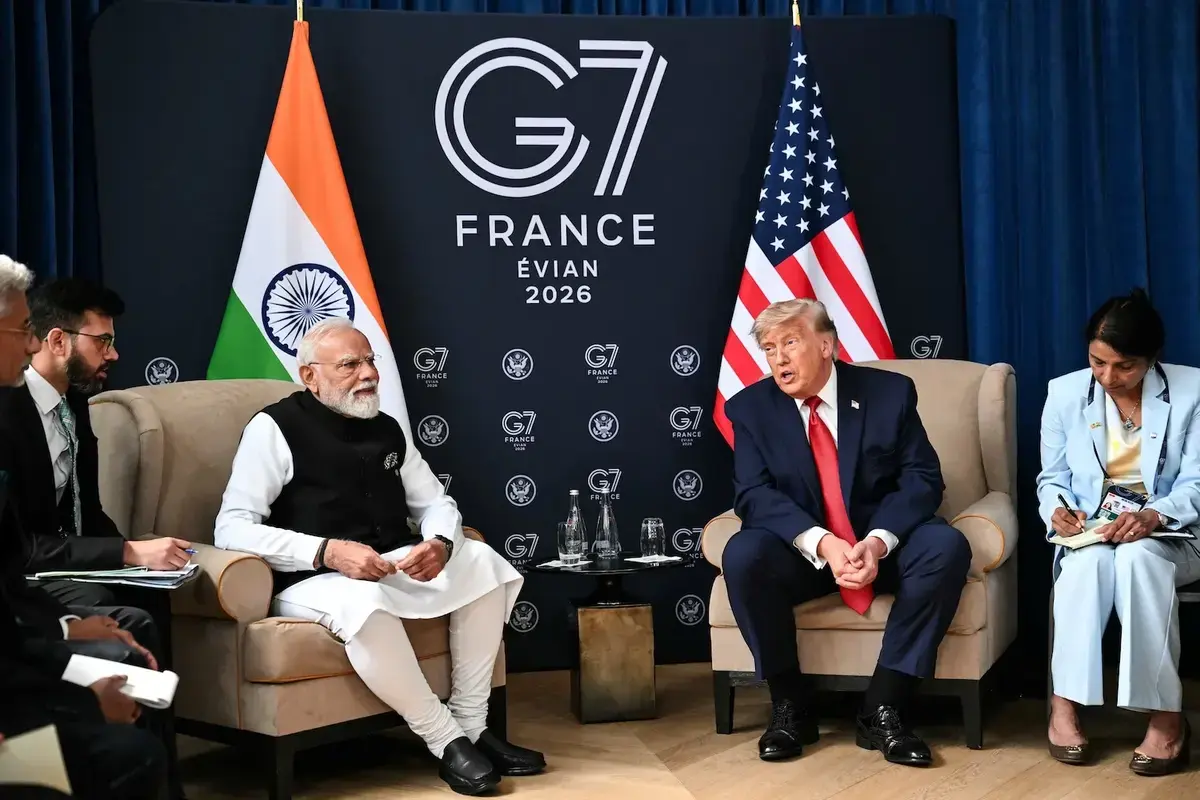
Diverging Interests at Play
The US and India, strategic partners, are experiencing diplomatic fractures due to their differing stances on the Iran conflict. The rift has been growing as the two countries have taken distinct approaches to the crisis, with the US imposing sanctions and India maintaining ties with Iran.
Breaking news
 Deadly Glacier and Rock Collapse in Nepal Linked to Climate Warming
 US Congress Passes Sweeping Sanctions Against Russia
 Speaker Johnson Ends House Session Early to Halt Impeachment Effort
 The High-Stakes Fight for Senate Majority Control
India has long-standing economic and energy ties with Iran, making it hesitant to sever relations. In contrast, the US has been actively working to isolate Iran. This divergence has led to a strain in the US-India partnership, with some experts warning that the damage may outlast the conflict.
Can India Balance its Relations?
India's delicate balancing act between its US partnership and Iranian ties is being put to the test. New Delhi has sought to maintain a neutral stance, but pressure from Washington is mounting. As the conflict escalates, India's position is becoming increasingly untenable. The country's energy needs and historical ties with Iran make it difficult to abandon Tehran entirely.
The diplomatic rift between the US and India may have long-term consequences for their strategic partnership. As the conflict continues, the two nations will need to navigate their differences carefully.
What are the main reasons behind the US-India rift? The main reasons are the US sanctions on Iran and India's reluctance to sever ties with Tehran due to economic and energy interests.
Frequently Asked Questions
How has India responded to US pressure? India has sought to maintain a neutral stance, but is facing increasing pressure from Washington to conform to US policy.
Can the US-India partnership recover from this strain? The partnership's recovery will depend on how effectively the two nations manage their differences and find common ground on the Iran issue.