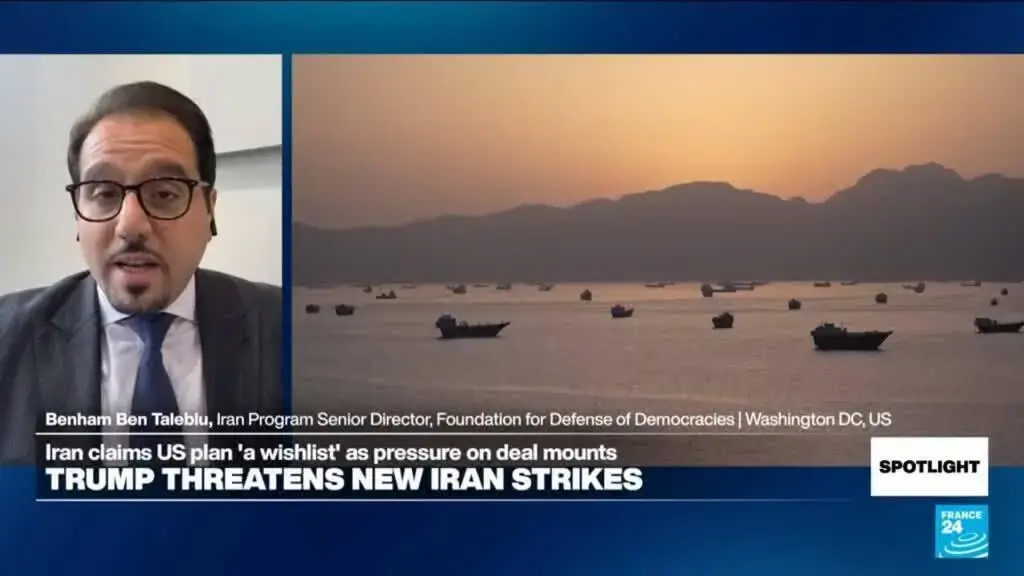
The Strategic Calculus for Both Sides
Recent analysis suggests escalating tensions between the United States and Iran. Experts believe both nations are engaged in a dangerous game. This situation carries significant risks, but also potential rewards for both sides. The focus is on potential conflict in the Middle East.
Breaking news
 Deadly Glacier and Rock Collapse in Nepal Linked to Climate Warming
 US Congress Passes Sweeping Sanctions Against Russia
 Speaker Johnson Ends House Session Early to Halt Impeachment Effort
 The High-Stakes Fight for Senate Majority Control
The current dynamic stems from long-standing geopolitical rivalry. It’s fueled by differing ideologies and regional ambitions. Mark Owen recently discussed these issues with Behnam Ben Taleblu. Taleblu directs the Iran program at a prominent think tank. He highlighted the high-stakes nature of the current situation.
For former President Trump, a confrontation with Iran offered a domestic political advantage. It allowed him to project strength and appeal to his base. Simultaneously, the Islamic Republic views a firm stance against the US as vital. This reinforces its internal legitimacy and regional influence. Taleblu explains that Iran perceives a strong response as necessary to deter further pressure.
Could Diplomacy Still Prevail?
The potential for miscalculation remains a major concern. Both Washington and Tehran operate under incomplete information. This increases the risk of unintended escalation. A limited exchange could quickly spiral into a wider conflict. Experts warn that regional proxies could also become involved. This would further complicate the situation and broaden the scope of hostilities.
Despite the heightened tensions, some avenues for de-escalation remain. Diplomatic channels, though strained, are still open. However, meaningful negotiations require a willingness from both sides to compromise. Currently, neither nation appears inclined to make significant concessions. The US continues to demand changes to Iran’s nuclear program. Iran insists on sanctions relief and a commitment to the original nuclear deal.
The situation is further complicated by regional dynamics. Conflicts in Yemen, Syria, and Iraq all contribute to the instability. Iran’s support for proxy groups in these countries is viewed as provocative by the US and its allies. This creates a complex web of interconnected conflicts. It makes finding a peaceful resolution even more challenging.
Frequently Asked Questions
The consequences of a full-scale conflict would be devastating. It would likely involve widespread destruction and loss of life. Regional instability would intensify, potentially triggering a humanitarian crisis. The global economy could also suffer significant disruption. A prolonged conflict would likely draw in other nations, escalating the situation further. The outlook remains uncertain, but the risks are undeniably high.
What is driving the current US-Iran tensions? The tensions are rooted in decades of geopolitical rivalry. Differing ideologies, regional ambitions, and disagreements over Iran’s nuclear program are key factors. Both countries are pursuing strategies they believe will maximize their interests.
What role do Iran’s proxies play in the conflict? Iran supports various armed groups in the Middle East. These groups act as proxies, extending Iran’s influence and challenging US interests. Their actions contribute to regional instability and complicate efforts to de-escalate tensions.