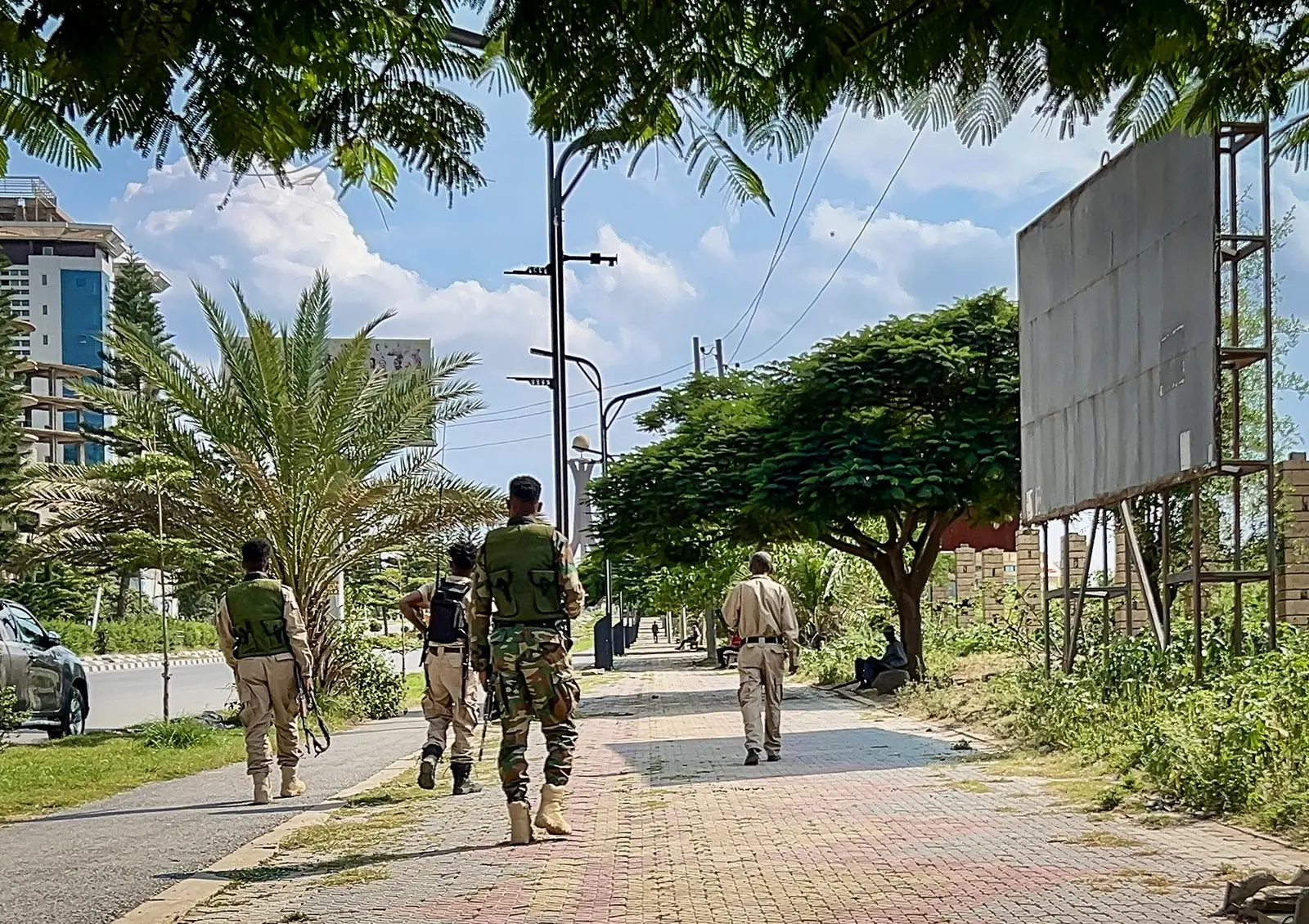
Regional Diplomacy Under Pressure
The fighting in Ethiopia’s Tigray region has intensified, raising fears that neighboring countries may be drawn into the conflict. The war, which began in 2020, has already strained diplomatic ties across the Horn of Africa, and the latest flare‑ups threaten to destabilise the region further.
Breaking news
 Trump Rejects AI Safety Measures Amid China Competition
 Behavioral Health and the Justice System: Accreditation and Continuity-of-Care Standards for Justice-Involved Individuals
 Britney Spears Dazzles in Bold Lingerie Shoot
 South Korea Weighs Strong Response After DMZ Landmine Blast
The renewed hostilities began in early August when Tigrayan forces launched a surprise offensive against Ethiopian federal troops. The clashes have spread to the border areas of Eritrea, Sudan, and Somalia, prompting diplomatic warnings from Addis Ababa. Military leaders in Addis Ababa say they are monitoring the situation closely, while regional leaders have called for restraint.
Could a Regional Intervention Happen?
Ethiopia’s relationships with its neighbours have been fragile for years. The Tigray war has exposed deep divisions between Addis Ababa and Eritrea, which has historically supported the Tigrayan militia. Sudan has also been wary of spill‑over violence, with its government urging both sides to avoid escalation. Meanwhile, Somalia’s federal government has expressed concern over the possibility of refugees crossing into its territory. The Ethiopian government has repeatedly stated that it will not allow external forces to intervene, but the persistent cross‑border skirmishes suggest otherwise.
Prime Minister Abiy Ahmed has warned that any external involvement could transform a regional dispute into a broader war. Yet, the international community, including the United Nations and the African Union, has called for an immediate ceasefire and a return to dialogue. Humanitarian agencies report that the civilian population is suffering, with thousands displaced and basic services disrupted.
What would a regional intervention look like, and who might step in? Eritrea’s military presence along the Tigray border has already increased, raising concerns that Eritrean troops could be drawn into direct combat. Sudan’s army, meanwhile, has deployed border patrols to prevent refugees from flooding its northern provinces. Somalia’s security forces have also been on high alert, fearing that the conflict could spill into the Somali region of Ethiopia.
Humanitarian Crisis Deepens
International observers suggest that a coordinated regional response would be difficult. Ethiopia’s federal government has historically resisted external influence, and the Tigray region still controls significant territory. Moreover, the presence of foreign fighters—such as Eritrean soldiers and Sudanese militias—has complicated the security landscape. The possibility of a broader war hinges on whether these actors decide to intervene or remain passive.
The escalation has devastated local communities. Hospitals in Mekelle and other towns are overwhelmed with wounded soldiers and civilians. Food shortages have worsened, and many families have fled to neighbouring countries. The United Nations has called for an emergency humanitarian corridor, but security concerns have stalled aid deliveries. The Ethiopian government claims that it is working to secure safe passage, yet reports of blockades and checkpoints persist.
The Future of the Horn of Africa
The conflict’s impact on regional trade is also significant. The Addis Ababa–Mekelle highway, a vital artery for commerce, has been shut down, disrupting supply chains across the country. This disruption has ripple effects on the economies of Ethiopia’s neighbours, who rely on trade routes through the region. The economic fallout could deepen existing tensions and push countries closer to the brink of intervention.
The situation remains fluid. While Ethiopia’s government has repeatedly called for a ceasefire, the Tigrayan forces continue to hold key positions. The international community’s calls for dialogue have yet to translate into lasting peace. If neighbouring countries do intervene, the conflict could widen, affecting the stability of the entire Horn of Africa. The prospects for a negotiated settlement depend on the willingness of all parties to compromise and the ability of regional powers to manage their own interests.
Will Ethiopia’s neighbours actually intervene in the Tigray war? It is uncertain. While Eritrea and Sudan have increased their military presence near the border, there is no clear evidence of direct intervention. The Ethiopian government has warned against external involvement, but the situation remains tense.
Frequently Asked Questions
What is the main concern for neighboring countries? The main concern is the potential spill‑over of violence and the influx of refugees. Borders are heavily monitored to prevent conflict from spreading and to manage humanitarian needs.
How is the humanitarian situation evolving? The humanitarian crisis is worsening. Hospitals are overwhelmed, food shortages are rising, and many civilians are displaced. Aid delivery is hampered by security concerns and blockades along key routes.