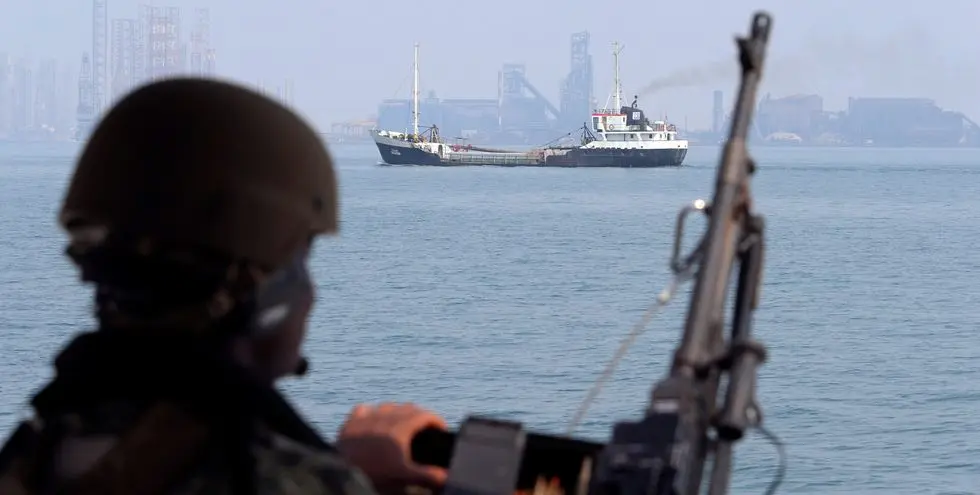
Oman Leads Effort to Reopen Critical Waterways
Arab nations along the Persian Gulf are facing severe economic strain and physical damage due to the active conflict between Iran and the United States. As hostilities continue, these countries have absorbed the majority of Iranian drone and missile attacks. The situation has worsened significantly in recent weeks, forcing regional leaders to rethink their strategic options for peace.
Breaking news
 Ronna McDaniel Weighs In on GOP's Path Forward
 Market Sentiment Shifts as S&P 500 Snaps Three-Day Losing Streak
 Voters Demand Stronger Congressional Oversight of Presidential Power
 Pelosi Looks Back, Sees Democratic Triumph Ahead
The primary challenge facing the region is the lack of a clear resolution between Washington and Tehran. This stalemate leaves Gulf economies vulnerable to disruption. To break this deadlock, regional officials have initiated negotiations with Iran. They are utilizing Oman as a key intermediary to facilitate communication. The goal is to end the fighting and restore normal operations in critical waterways.
Diplomatic channels through Muscat have become central to the current strategy. Gulf states recognize that direct confrontation is no longer sustainable. They aim to negotiate terms that allow for the safe passage of commercial vessels. This approach seeks to reduce the immediate threat of further missile strikes. By engaging Iran directly, the region hopes to stabilize the security environment quickly. Economic recovery depends heavily on this diplomatic success.
Why Is Direct Negotiation Now Essential?
The financial impact on the Gulf has been substantial. Insurance premiums for shipping have skyrocketed. Oil export routes face constant risk of interruption. Local businesses report rising costs for imported goods. The uncertainty creates a ripple effect across the entire economy. Leaders are under pressure to deliver stability to their populations. They must balance military defense needs with economic pragmatism.
The reliance on a single mediator highlights the complexity of the current standoff. Oman’s neutral position allows it to bridge gaps between opposing sides. This method reduces the risk of miscommunication during tense periods. It provides a structured framework for discussing ceasefire conditions. Without such a channel, the conflict risks escalating further. The region cannot afford prolonged uncertainty in global energy markets.
The proposed approach focuses on practical outcomes rather than idealistic goals. Immediate safety in the strait is the priority. Negotiators are working to define specific zones of operation. They are also discussing protocols for monitoring compliance. These steps aim to build trust incrementally. The focus remains on preventing new incidents while talks progress.
Frequently Asked Questions
Who is mediating the talks between the Gulf states and Iran? Oman is serving as the primary interlocutor for these negotiations. Its neutral status facilitates dialogue between the conflicting parties. This role is crucial for maintaining open communication lines.
What is the main economic concern for the Arab Gulf states? The region faces mounting costs from disrupted trade and higher insurance rates. Commercial shipping faces significant risks in the strait. These factors are straining local economies and budgets.
What is the immediate goal of the new diplomatic approach? The primary objective is to end the active conflict. Leaders want to reopen the strait for safe commercial use. This would help stabilize global energy supplies and regional finances.